
We first visited Nantes 10 years ago and loved it then. But when we returned this year, the city caught me completely off guard all over again. I expected to find the same pretty French city along the Loire that we remembered, and while it’s definitely still that, Nantes has evolved into something even more creative, quirky, and unexpected.
The mechanical elephant is still roaming, the yellow Titan crane still stands watch, and the city has continued figuring out new ways to honor its industrial past while creating something entirely new. Here’s what we loved and what you absolutely shouldn’t miss when visiting Nantes!
Follow the Green Line (Le Voyage à Nantes)
Before I get into specific attractions, here’s the best tip I can give you: follow the green line. Le Voyage à Nantes has painted a green line throughout the city that connects all the major landmarks, public art installations, and cultural sites. It’s genius, really. You don’t need a map or a tour guide. Just follow the line painted on the sidewalk and you’ll hit everything worth seeing.
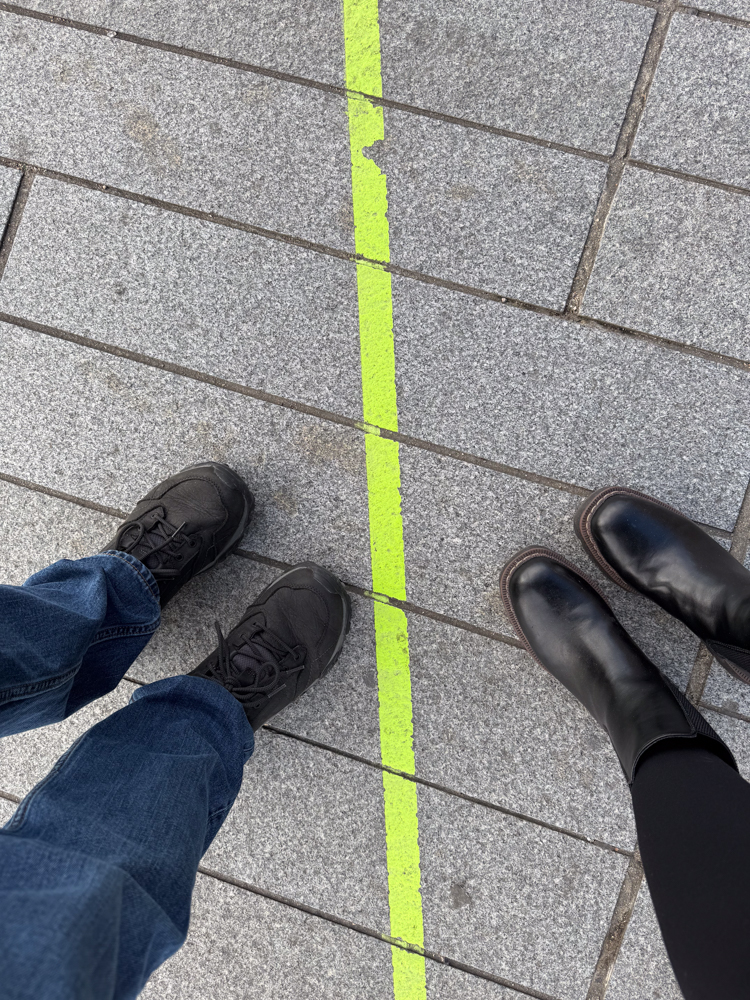
The line stretches for miles and you can step off wherever something catches your eye. We spent an entire afternoon just wandering along it, discovering things we never would have found otherwise. If you stop in their office across from Château des ducs de Bretagne, they have paper maps available in multiple languages showcasing what’s along the green line.
Château des ducs de Bretagne
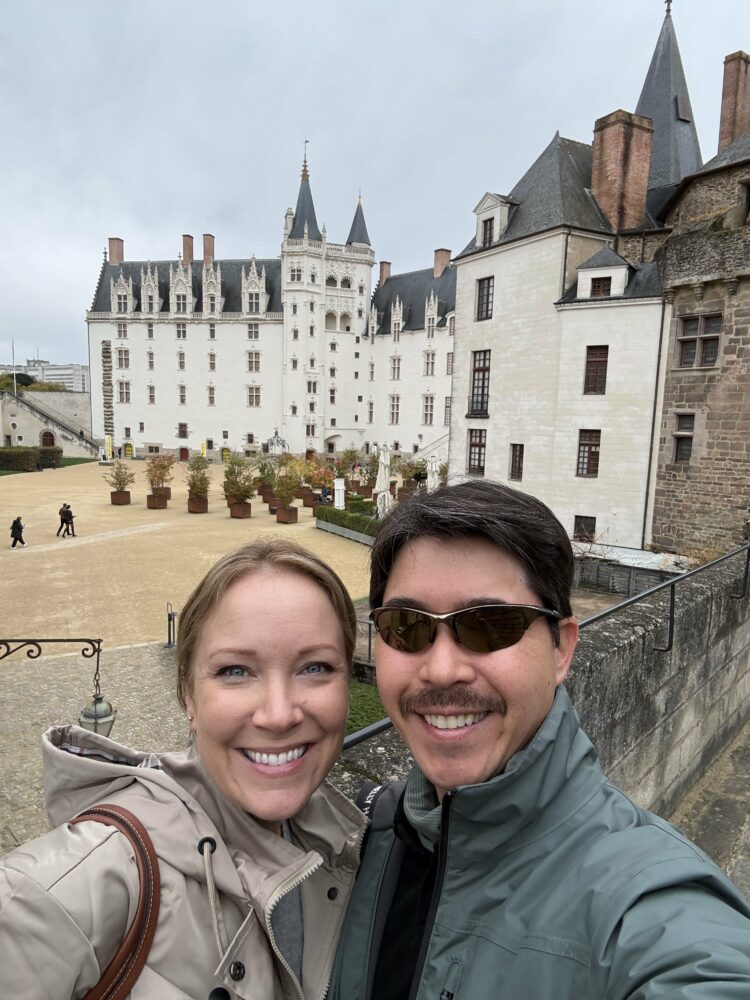
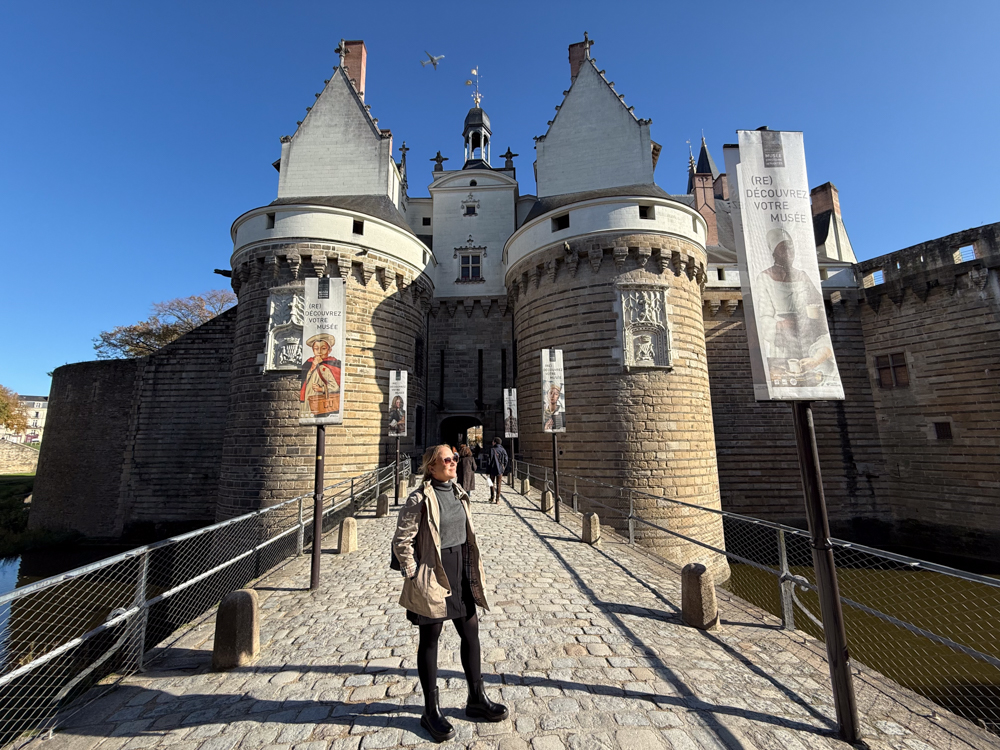
The Castle of the Dukes of Brittany sits right in the heart of Nantes’ medieval quarter. Built in the late 15th century by François II and his daughter Anne of Brittany, it’s now home to the Nantes History Museum.
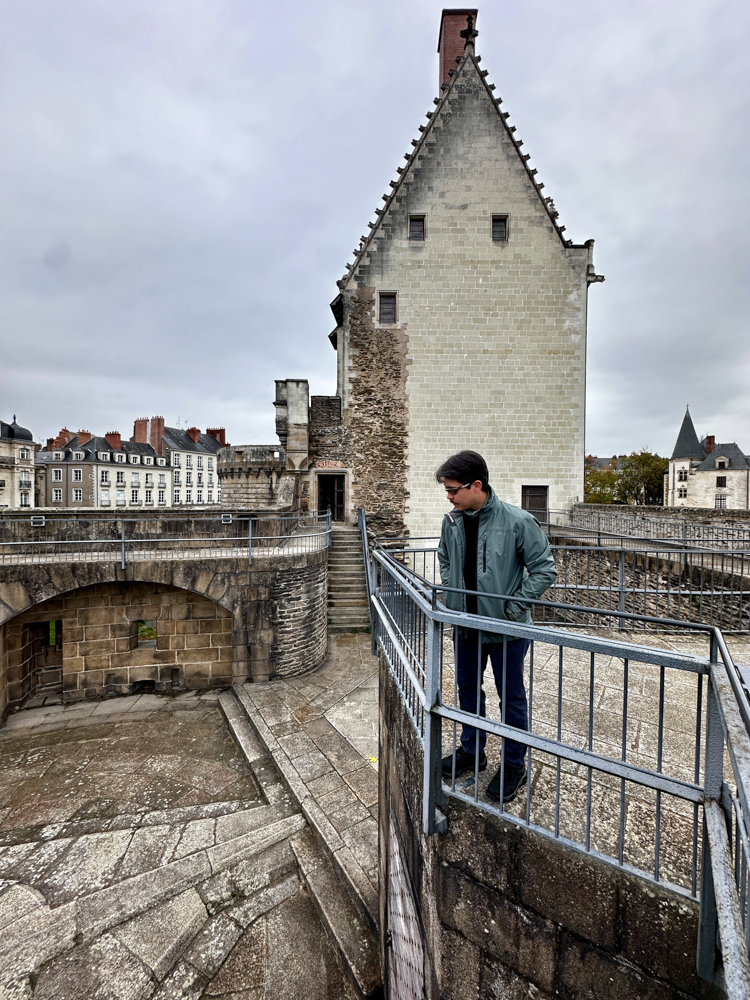

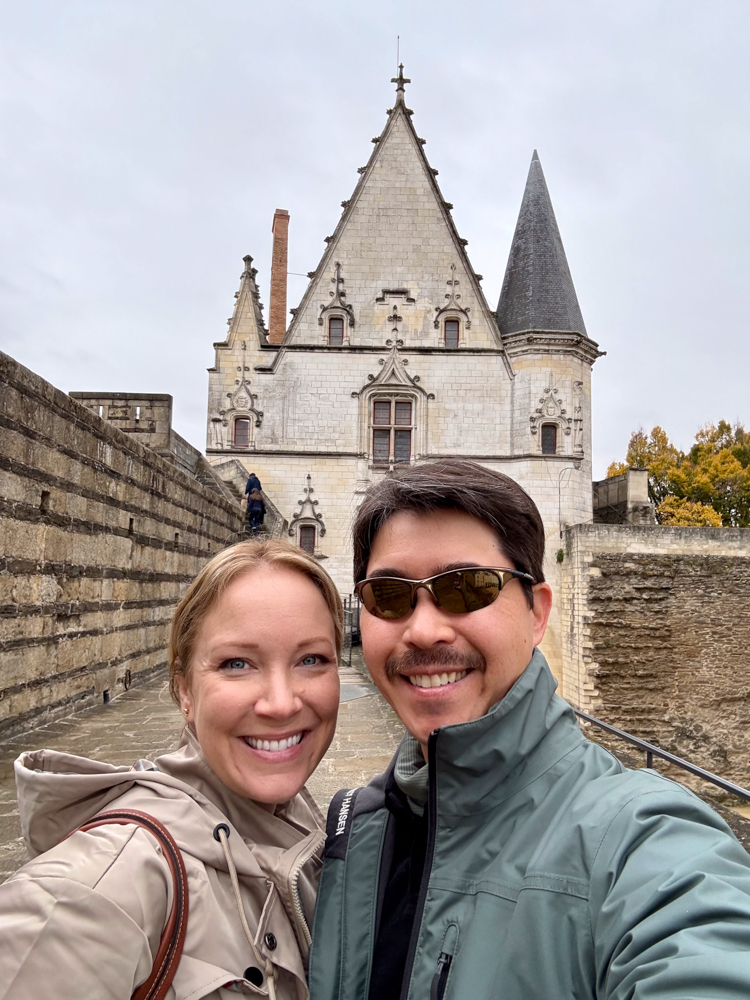
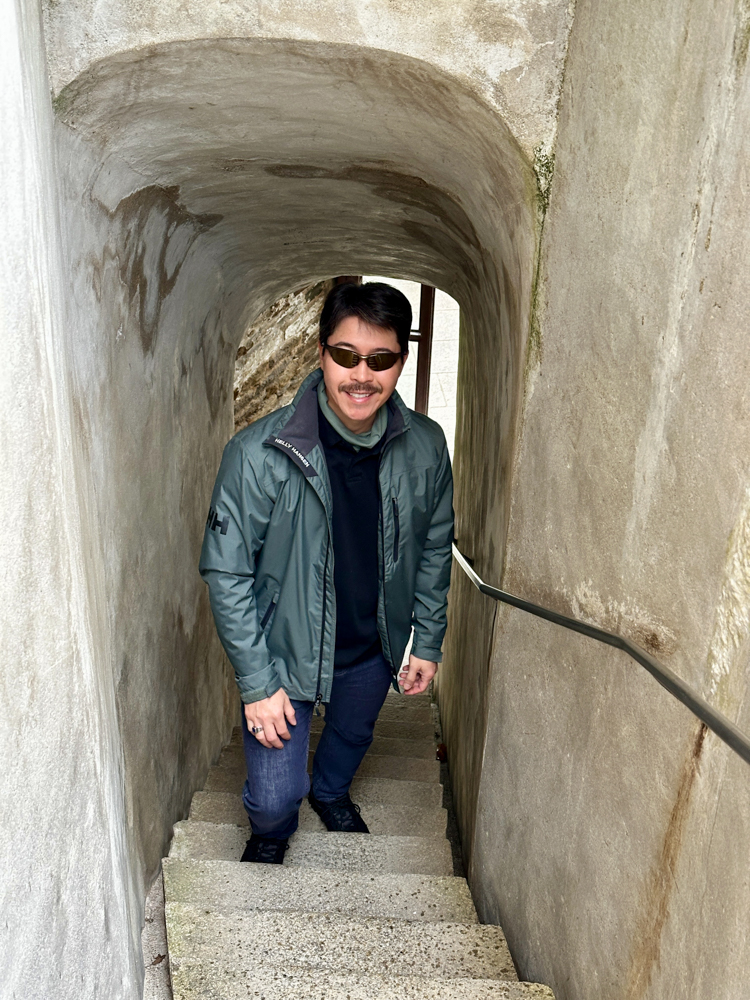
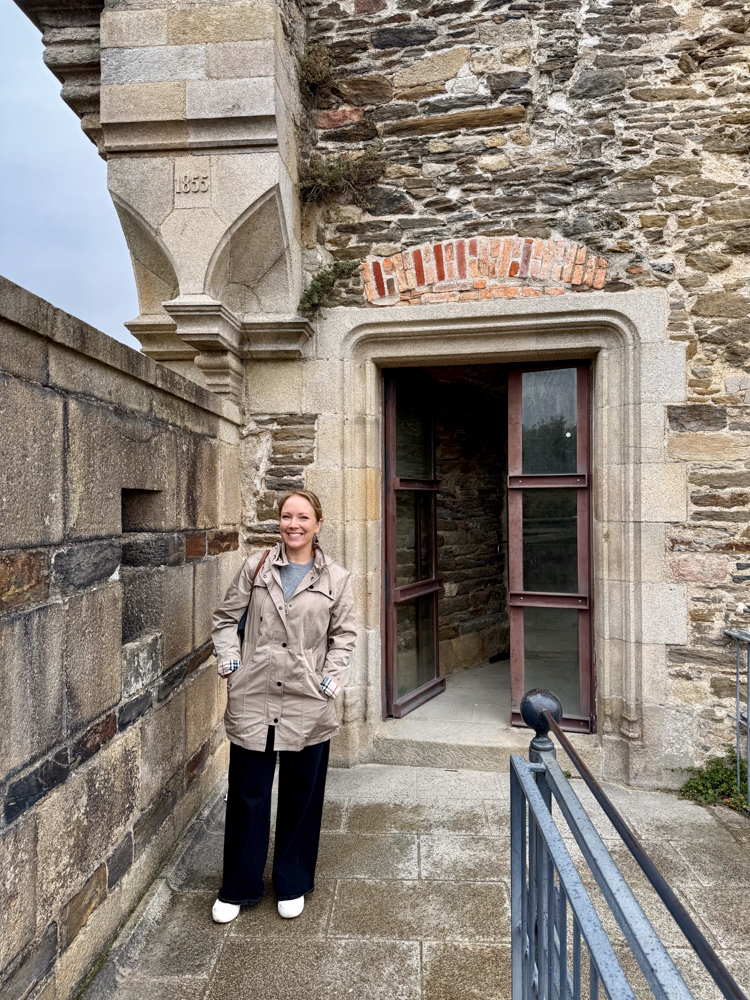
What I loved most: the courtyard, ramparts, and moat are completely free to explore. You can walk the 500-meter sentry walkway around the fortifications and get incredible views of both the castle buildings and the city. The contrast between the rough granite exterior walls and the elegant white tuffeau stone palace inside is striking.
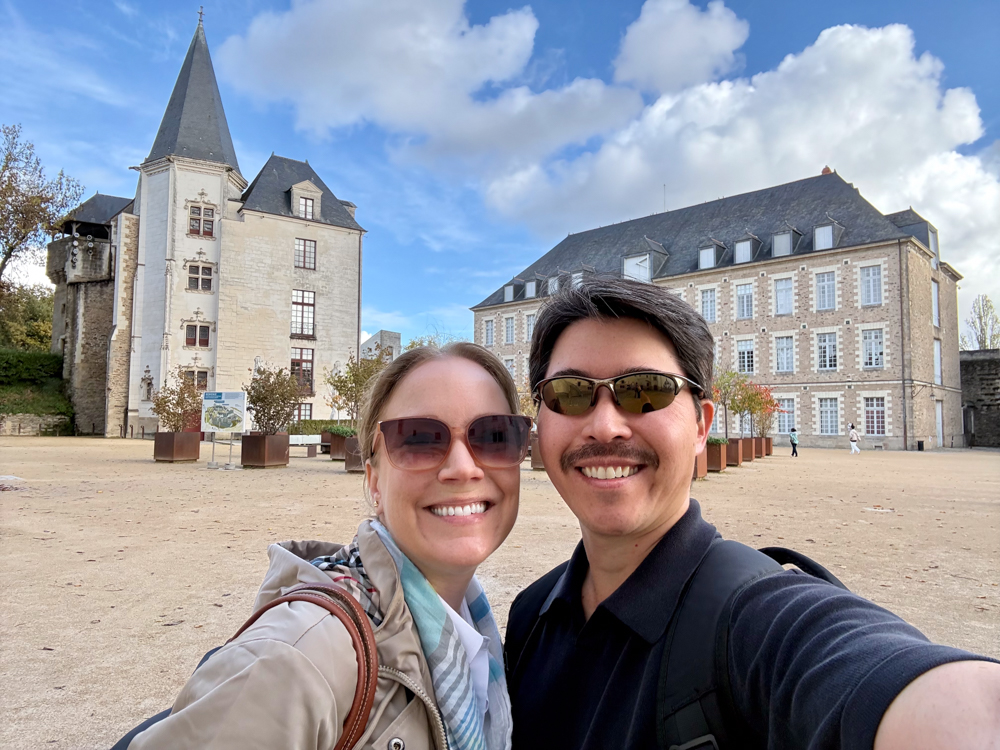
If you go inside the museum,, you’ll find 32 rooms covering Nantes’ history, including difficult topics like the city’s role in the Atlantic slave trade. The museum doesn’t shy away from the complicated parts of history, which we appreciated.
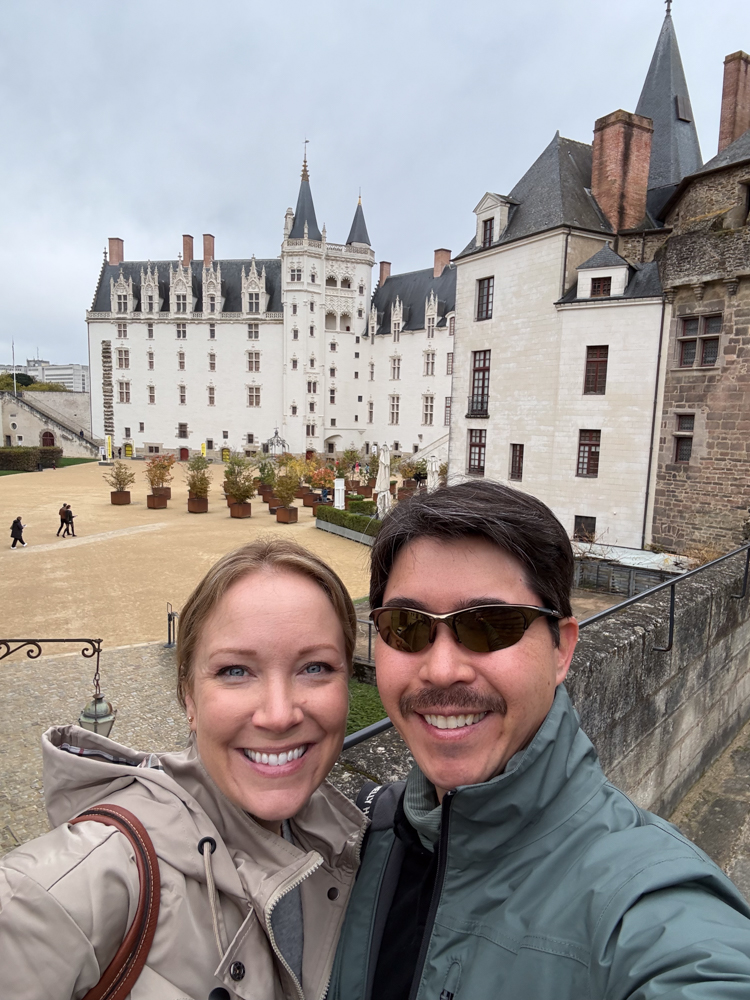
Practical tip: The castle is open daily except Mondays, from 10am-6pm (10am-7pm in July and August). And on some holidays they have free admission!

Les Machines de l’île
This is where Nantes gets wonderfully weird in such a fun way. Les Machines de l’île is part workshop, part art installation, part amusement park. It’s what happens when you combine Jules Verne’s imagination with Leonardo da Vinci’s mechanical genius and set it in former shipyard warehouses. It’s part steampunk, part wonder, and fun and photogenic for both kids and adults.
Le Grand Éléphant
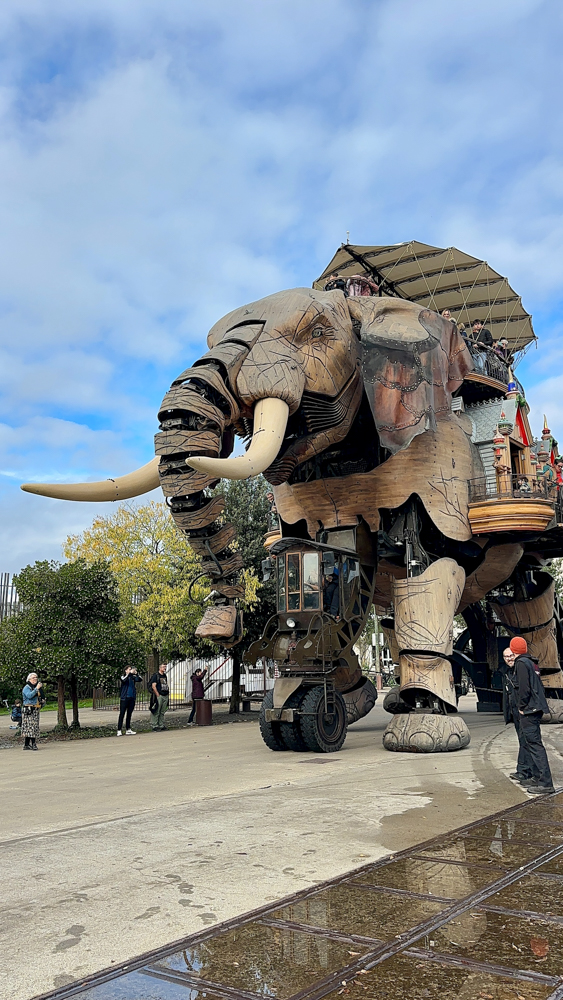
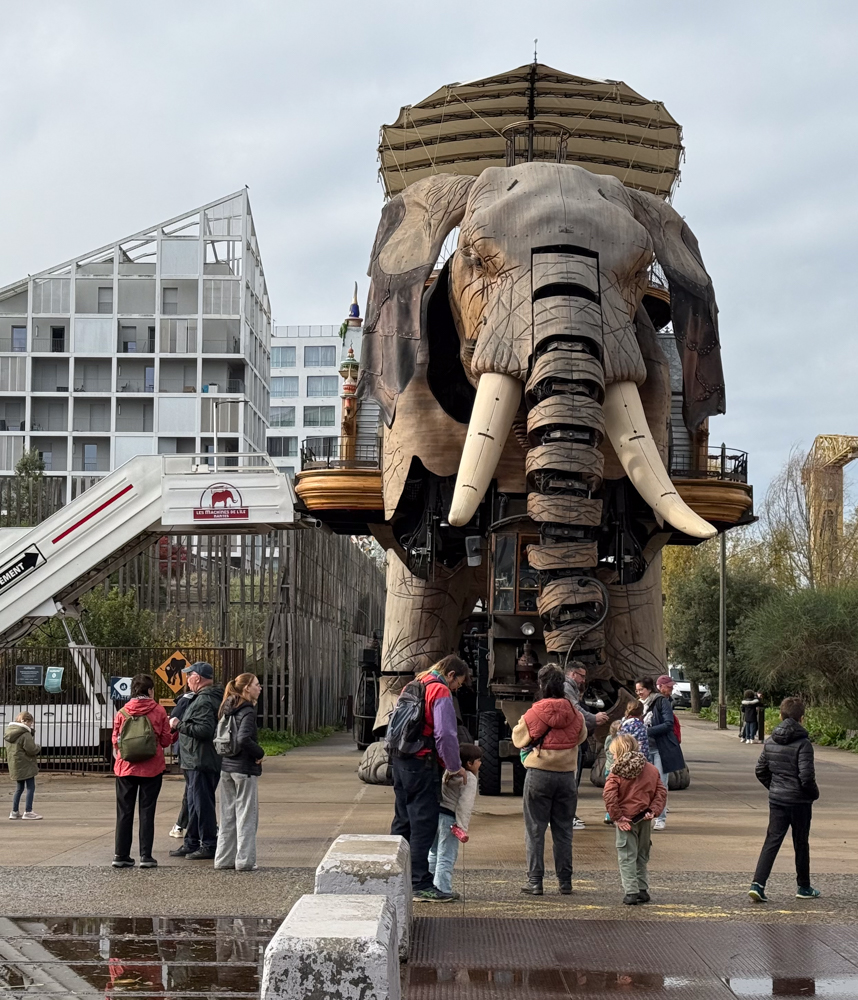
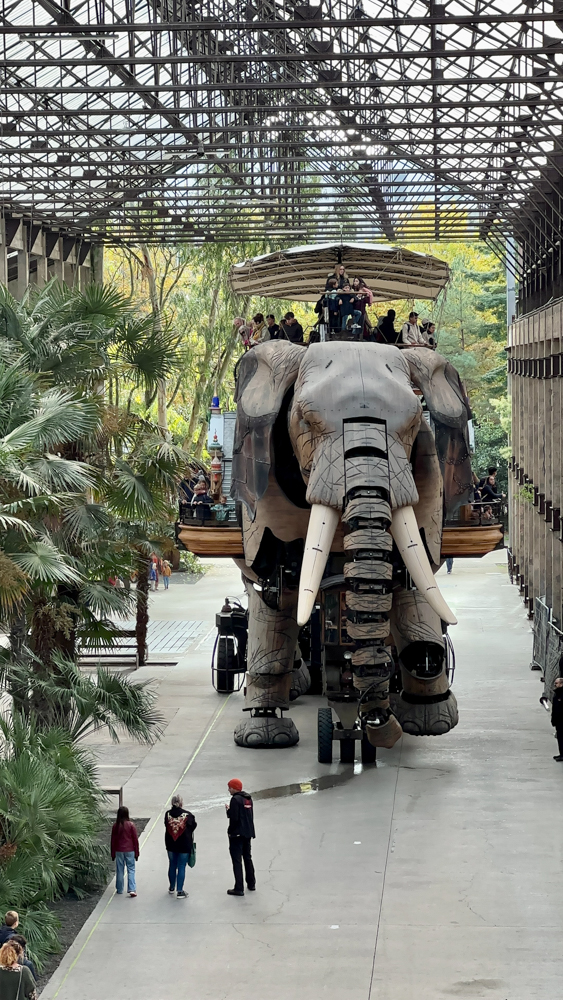
The star of the show is a 12-meter-tall mechanical elephant that actually walks around carrying up to 49 passengers. The elephant slowly walks through the former shipyards, sprays water from its trunk, and gives you views from what feels like a four-story traveling building. You can see all the gears and mechanisms working as you ride, which makes the whole experience even more impressive.
Rides last about 45 minutes and cost €12 for adults. Book in advance if you can, especially in summer. But even if you don’t ride the elephant, you’ll still get a great view of it wandering the shipyard during the daytime.
La Galerie des Machines
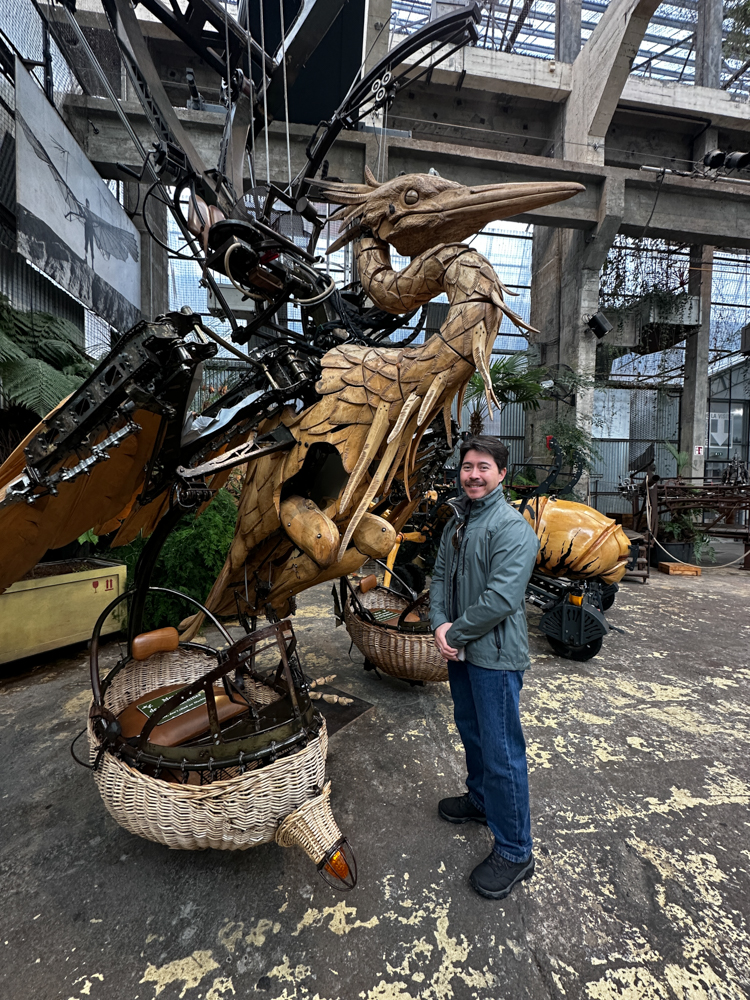
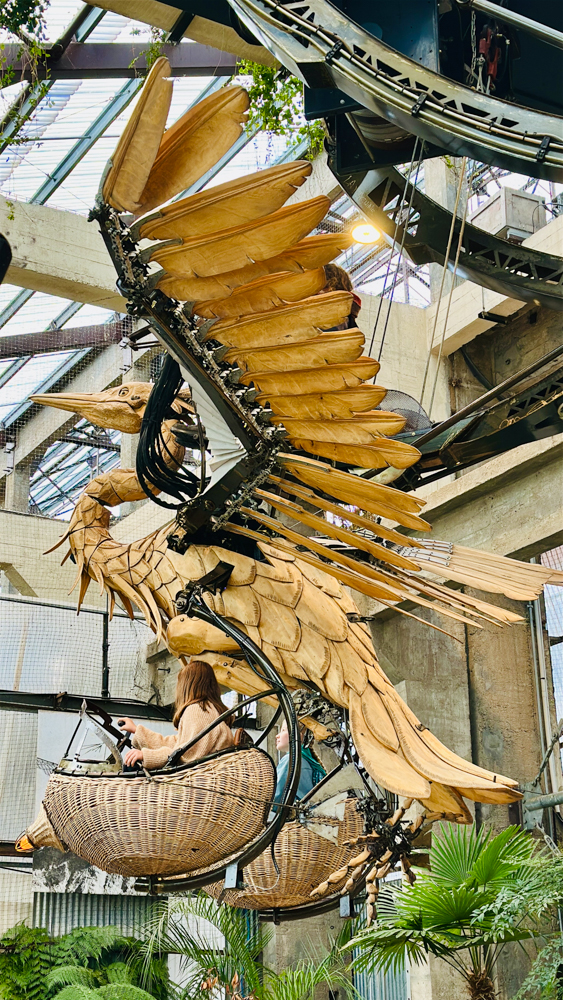
Inside the warehouse, you’ll find all sorts of fantastical mechanical creatures. Machinists demonstrate how they work and bring them to life throughout the day. The creativity on display here is incredible, and you get to see the workshop where these machines are actually built.
The tours are conducted in French, but don’t let that stop you if you don’t speak the language. There are QR codes throughout the gallery that you can scan to read about the machines and exhibits in English (and other languages). It works perfectly.
Carrousel des Mondes Marins
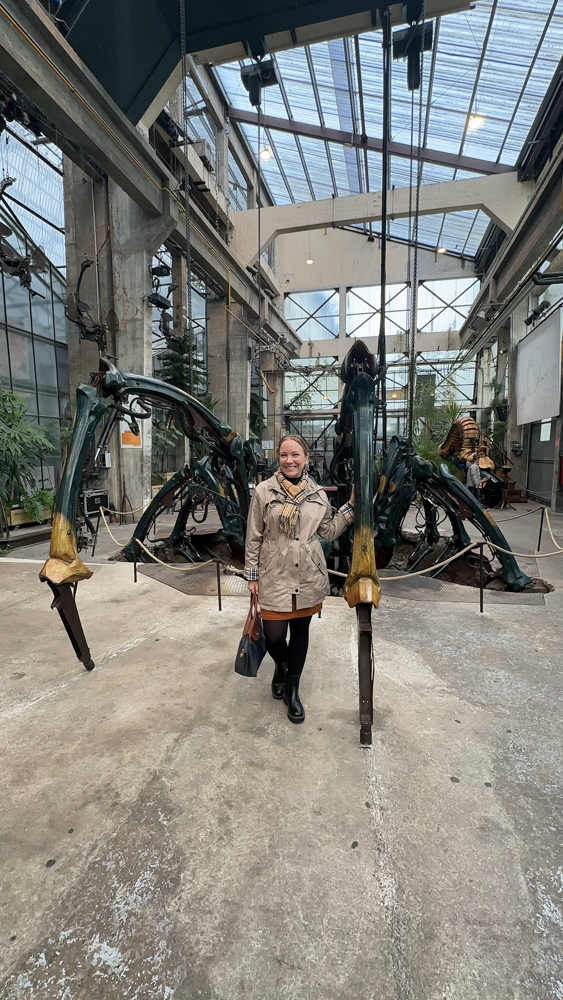
This three-level carousel features 35 moving sea creatures. It’s not your typical merry-go-round. You can ride on giant crabs, jellyfish, and other underwater creatures, all beautifully crafted and mobile.
Practical tip: Les Machines de l’île is on Île de Nantes, easily reached by tram (line 1 to Chantiers Navals stop). It’s also easy to walk to if you’re staying within the city. There’s some construction on the bridge currently, but the pedestrian pathways are well marked. The whole complex can take 2-3 hours to explore properly.


The Titan Cranes (Les Grues Titan)
These massive yellow and grey cranes are remnants of Nantes’ shipbuilding past, and they’ve become beloved symbols of the city. The yellow crane, built in 1955, stands 43 meters tall and weighs 400 tons. It’s now a listed historical monument.
You can walk right under the yellow crane along the green line at the western end of Île de Nantes. The cranes are particularly stunning at sunset or when they’re lit up at night. For locals, these cranes are like Nantes’ version of the Eiffel Tower.
There’s even a local brand called La Grue Jaune (The Yellow Crane) that makes souvenirs celebrating this industrial icon.
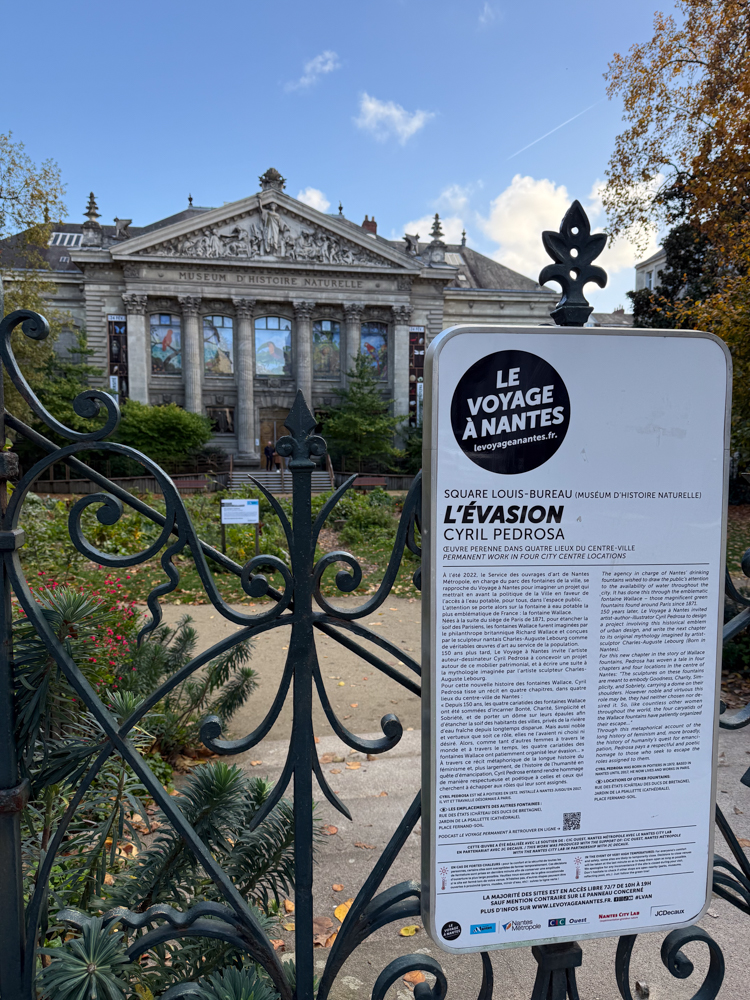
Muséum d’histoire naturelle de Nantes
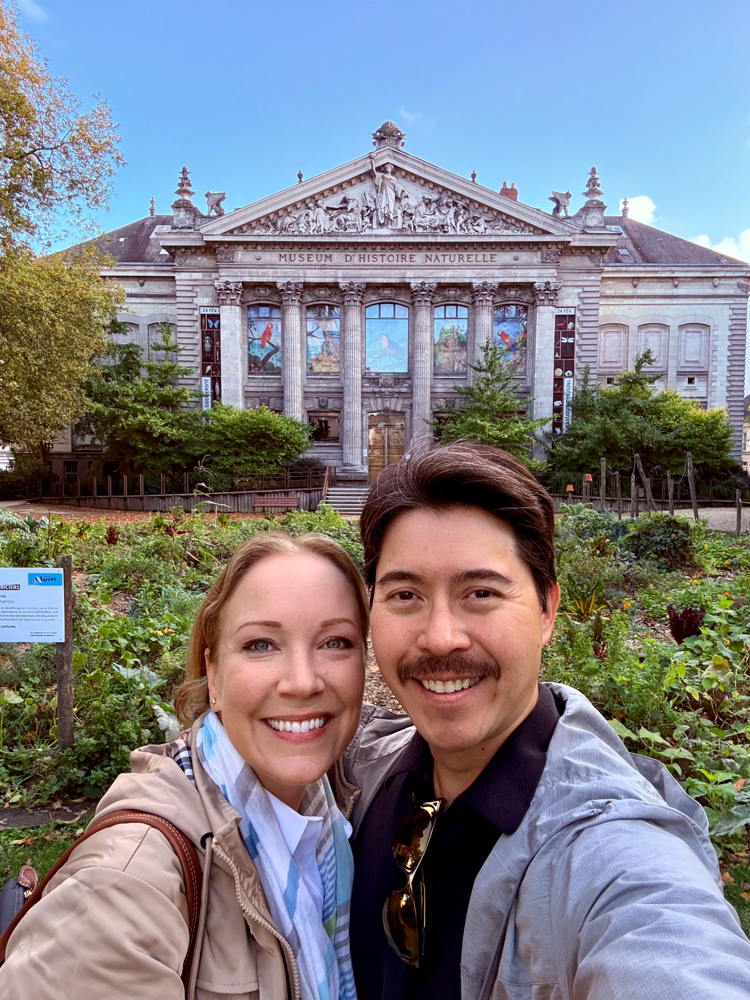
Update: The Natural History Museum closed on November 4, 2025 for major renovations and won’t reopen until 2029. During the renovation period, they’re offering traveling exhibitions around the Nantes metropolitan area.
Even with the museum closed, the building itself is worth seeing from the outside. The architecture is gorgeous, and it sits in a beautiful area of the city near Place Graslin. Since you can’t go inside, this is the perfect time to visit the nearby Musée Dobrée instead (see below).
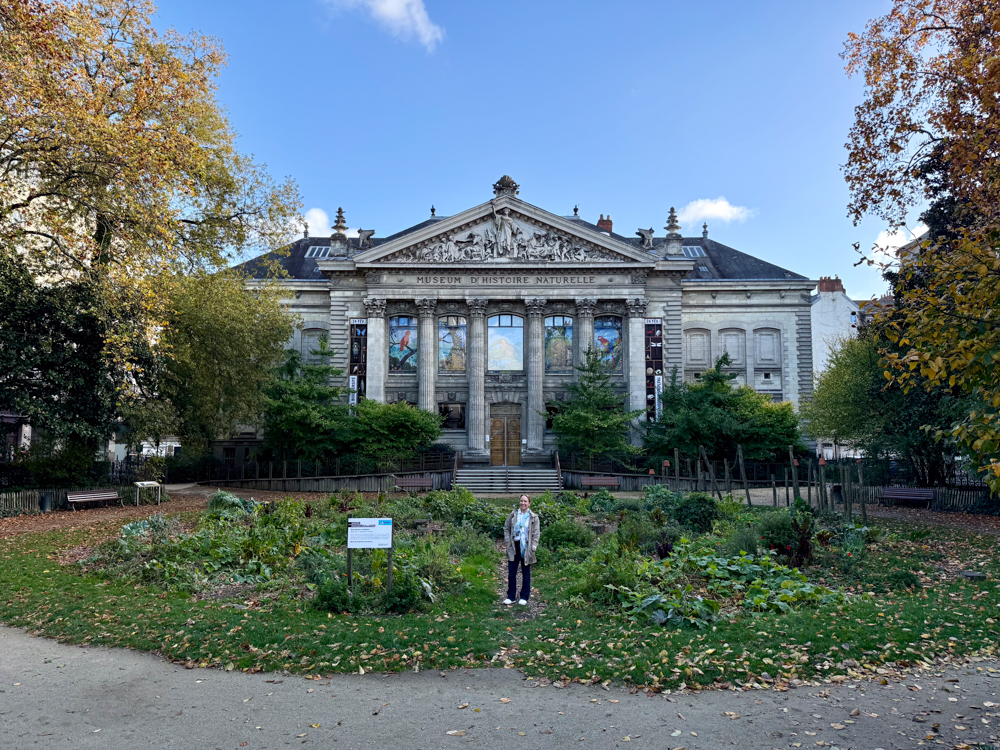
When it reopens in 2029, the museum will be twice as large with expanded collections. It’s always been known for its impressive whale skeleton (over 18 meters long), extensive zoology gallery with over 1,000 animal specimens, and beautiful mineral and fossil collections.
Musée Dobrée
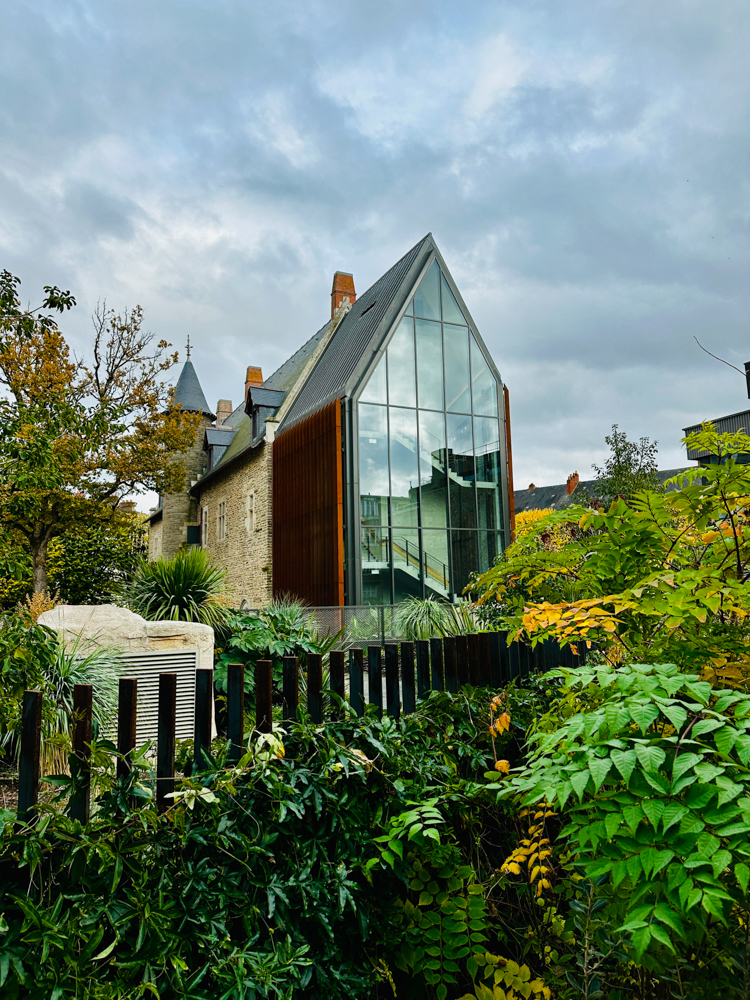
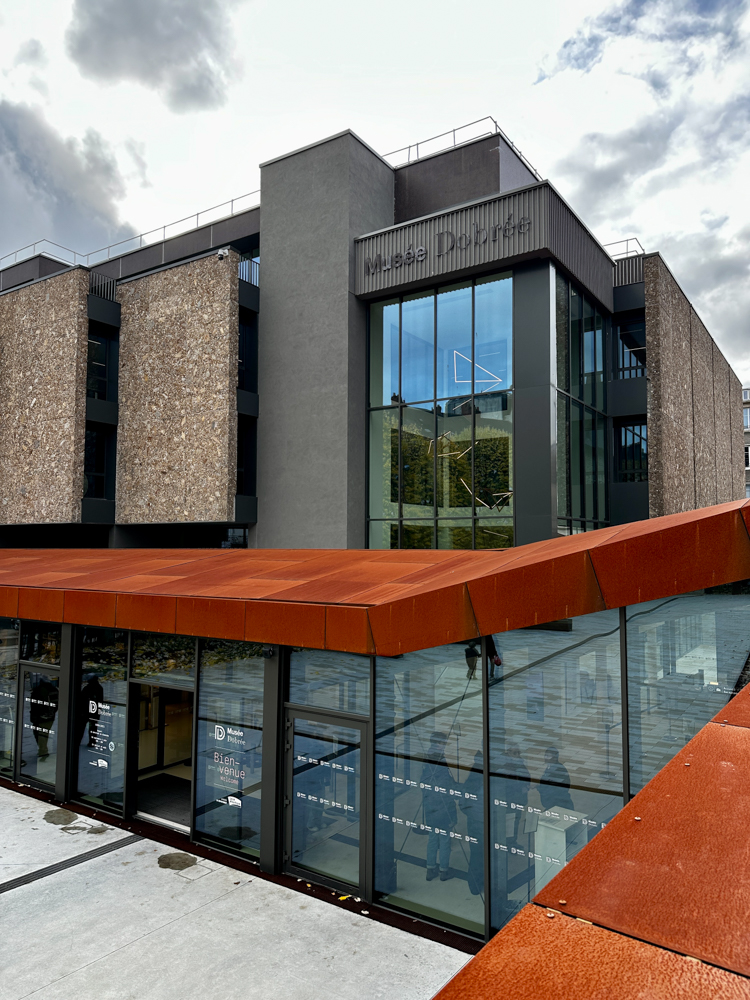
Right near the Natural History Museum, you’ll find the Musée Dobrée, which just reopened in May 2024 after years of renovation. This is one of Nantes’ hidden gems, and it’s absolutely worth your time.
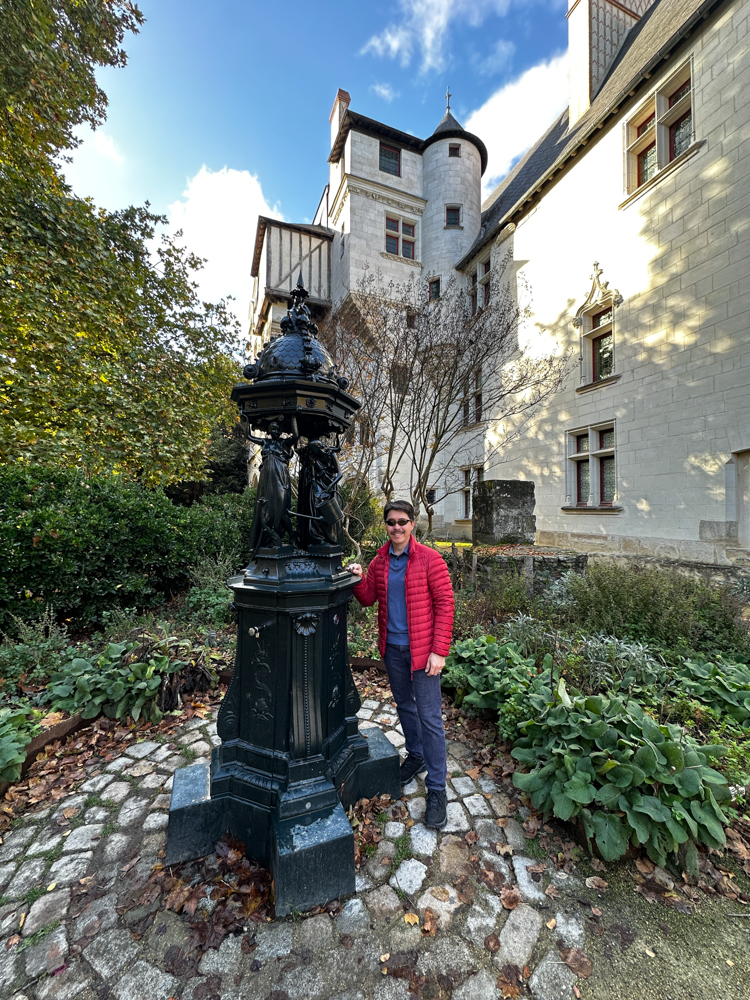
The museum is housed in a remarkable architectural complex that includes a neo-medieval palace, a 15th-century manor house, and modern extensions, all set in an Anglo-Norman garden. We really loved the architectural combination of both old and new designs. It was founded by Thomas Dobrée, a wealthy 19th-century ship owner and collector with a passion for art and history.
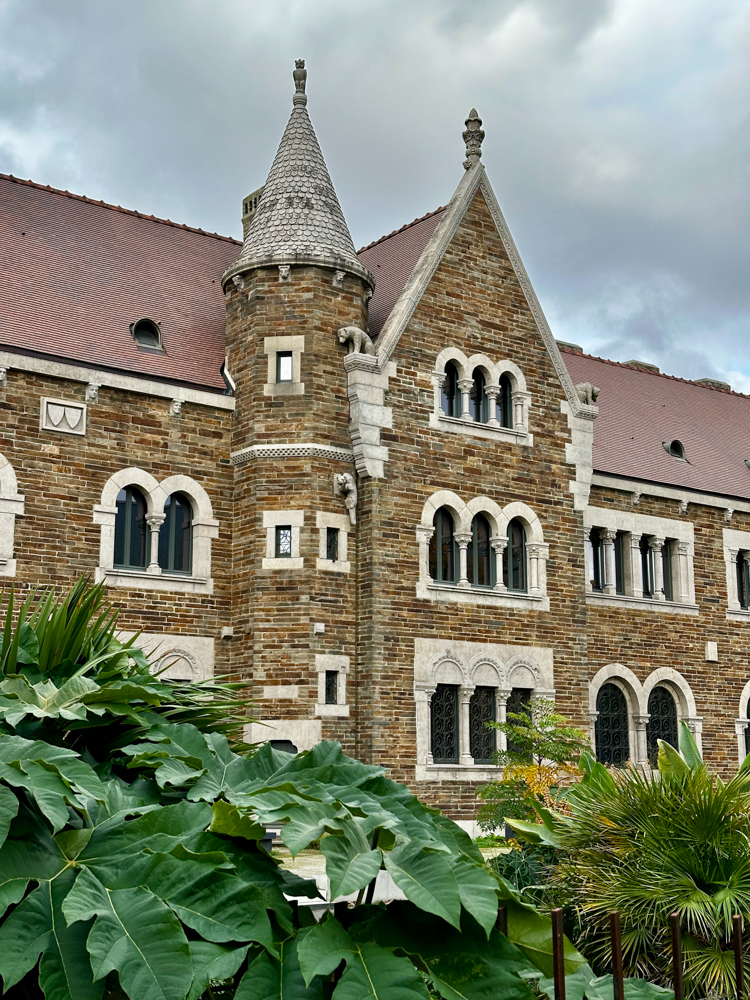

The collections are incredibly eclectic. You’ll find everything from 500,000-year-old archaeological finds from the region to Egyptian sarcophagi, medieval sculptures from Nantes Cathedral, the famous funerary casket containing the heart of Anne of Brittany, Art Nouveau vases, and ancient coins. The museum displays 2,400 objects out of a collection of 130,000.
What makes it special is that it’s truly a museum of curiosities. Every room reveals something unexpected, from Asian artifacts to rare collections of medieval manuscripts and weapons.
Practical details: Located at 1 Place Jean V. Admission is €9 for adults (€6 reduced), free for under 26. The museum also has a lovely café with a terrace and beautiful gardens to explore.
Le Lieu Unique
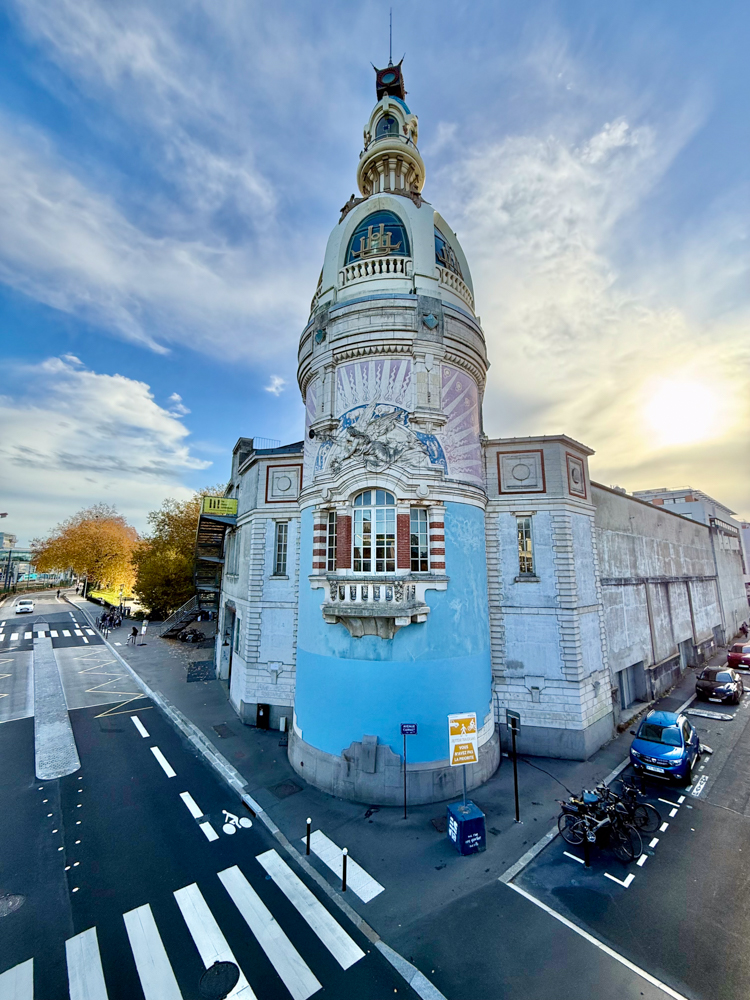
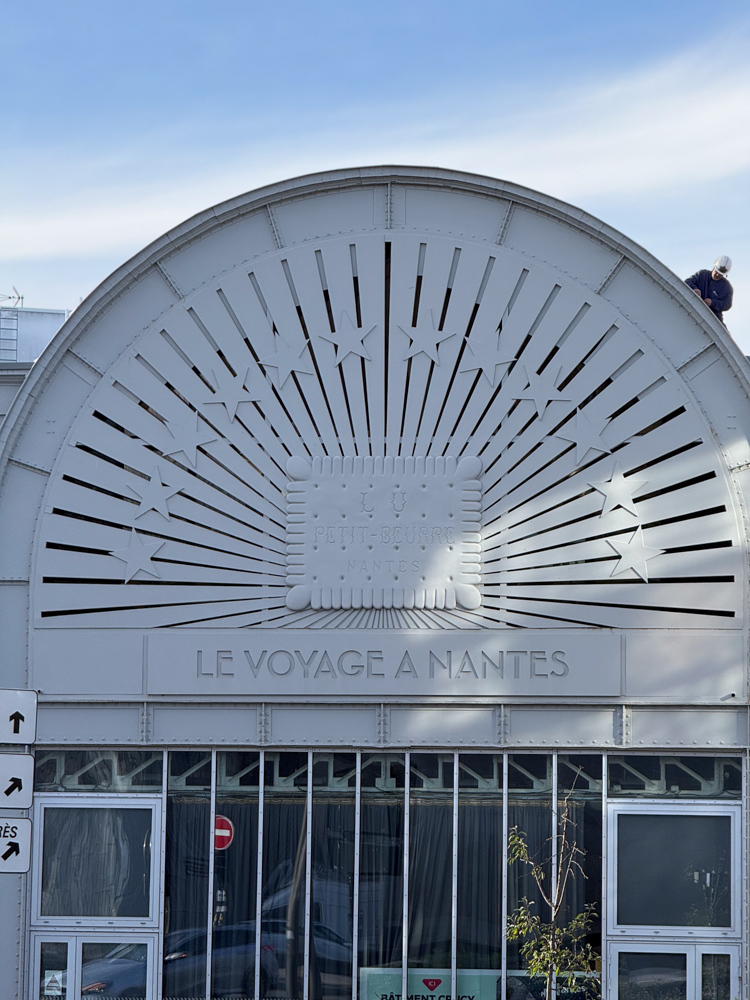
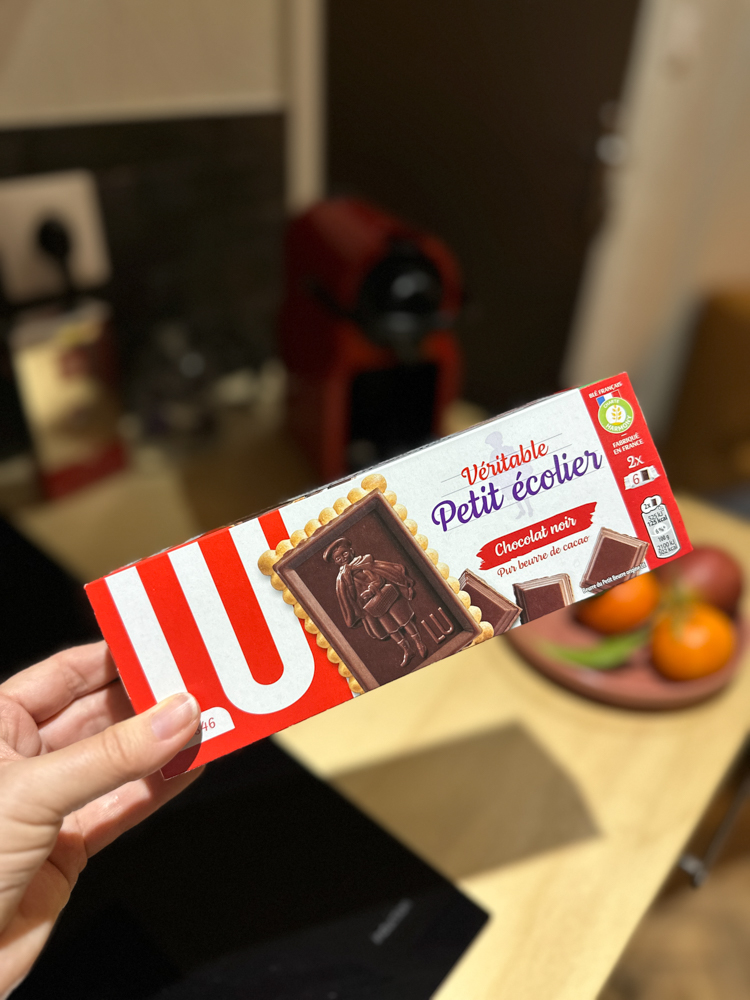
You can’t understand Nantes without knowing about the LU biscuit. The famous Petit Beurre cookies (those rectangular butter biscuits with scalloped edges) were born here, made by the Lefèvre-Utile company. The factory, built in 1895, became an icon of Nantes’ industrial heritage.
When the factory closed in 1986, the city did something brilliant. Instead of tearing it down, they transformed it into Le Lieu Unique (The Unique Place), a contemporary arts and culture center that opened in 2000.

The building is stunning, dominated by the restored 38-meter LU tower that once served as an advertising beacon for the biscuit brand. Inside, the raw industrial architecture has been preserved. You can still feel the factory’s history in the exposed beams and open spaces.
Today, Le Lieu Unique hosts theater, dance, visual arts, music, and literary events. But you don’t need to attend a show to visit. The bar and restaurant are open to everyone and offer a great spot to grab lunch or a drink. The restaurant serves fresh, local, seasonal food in a setting that’s both industrial and inviting. There’s even a bookshop too.

The center sits along the Canal Saint-Félix, very close to the central train station and just a short walk from the castle. It’s become a gathering place for locals and a symbol of Nantes’ commitment to transforming its industrial past into cultural vibrancy.
Practical tip: The LU Tower itself can be visited on weekends!
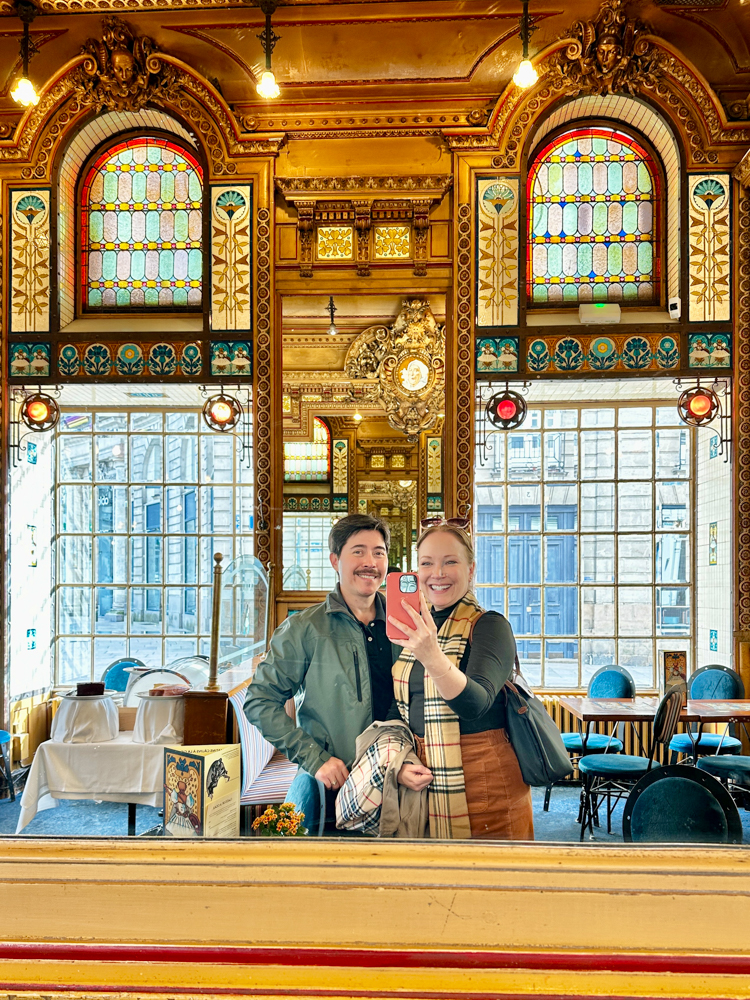
La Cigale
While I’m working on a full restaurant guide for Nantes, I have to mention La Cigale here because it’s not just a place to have lunch, it’s a piece of living history.
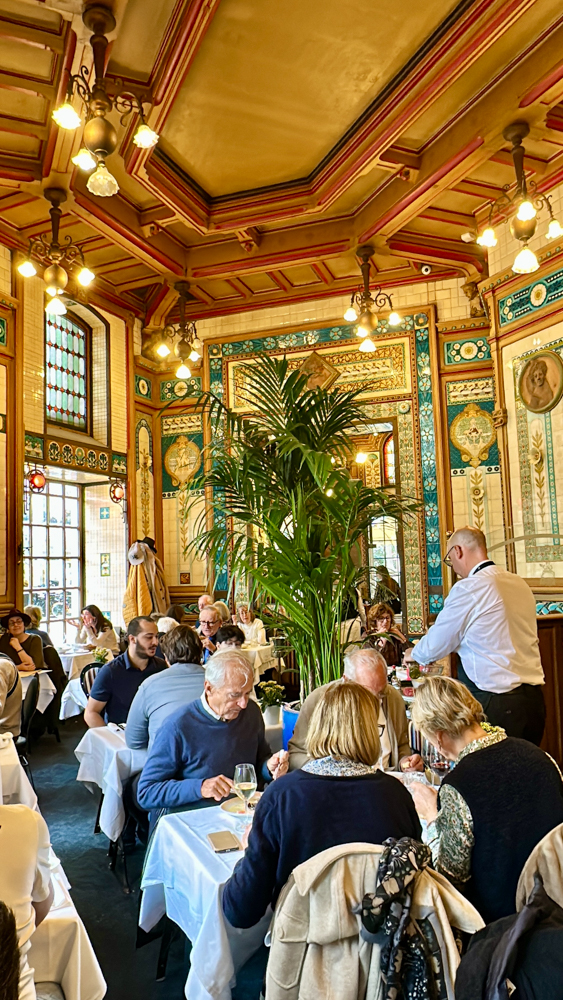
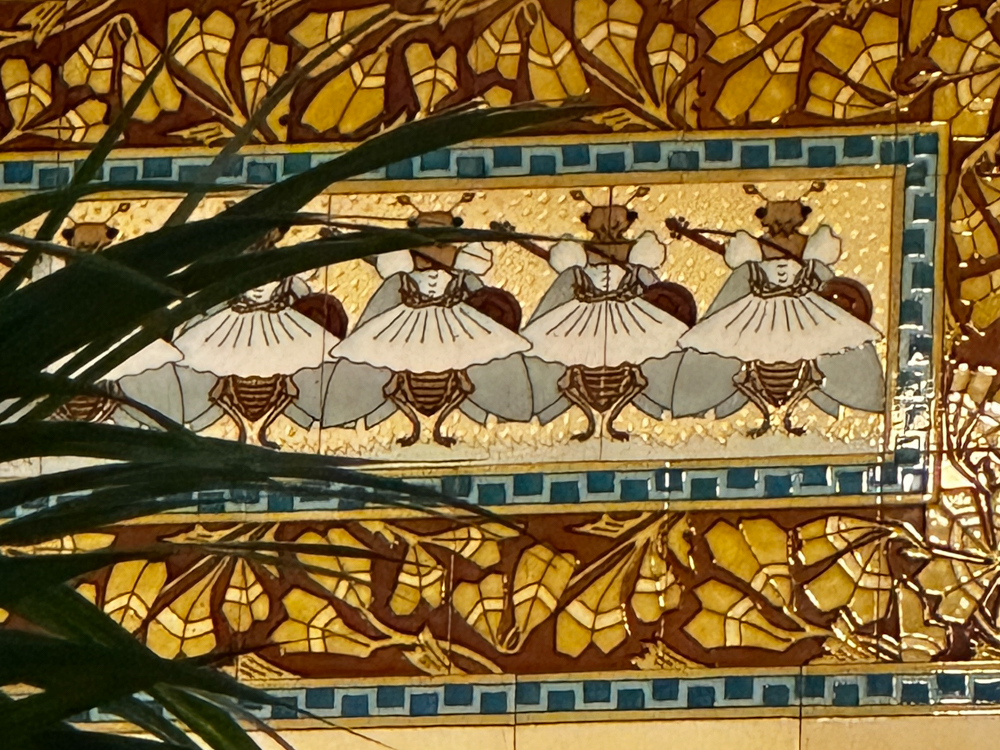
Opened in 1895 (the same year as the LU factory), La Cigale is an Art Nouveau masterpiece. The interior is absolutely stunning, with ornate ceramic tiles in beautiful hues of blue and gold, elaborate woodwork, stained glass, huge ornate mirrors, and sculptures covering every surface.
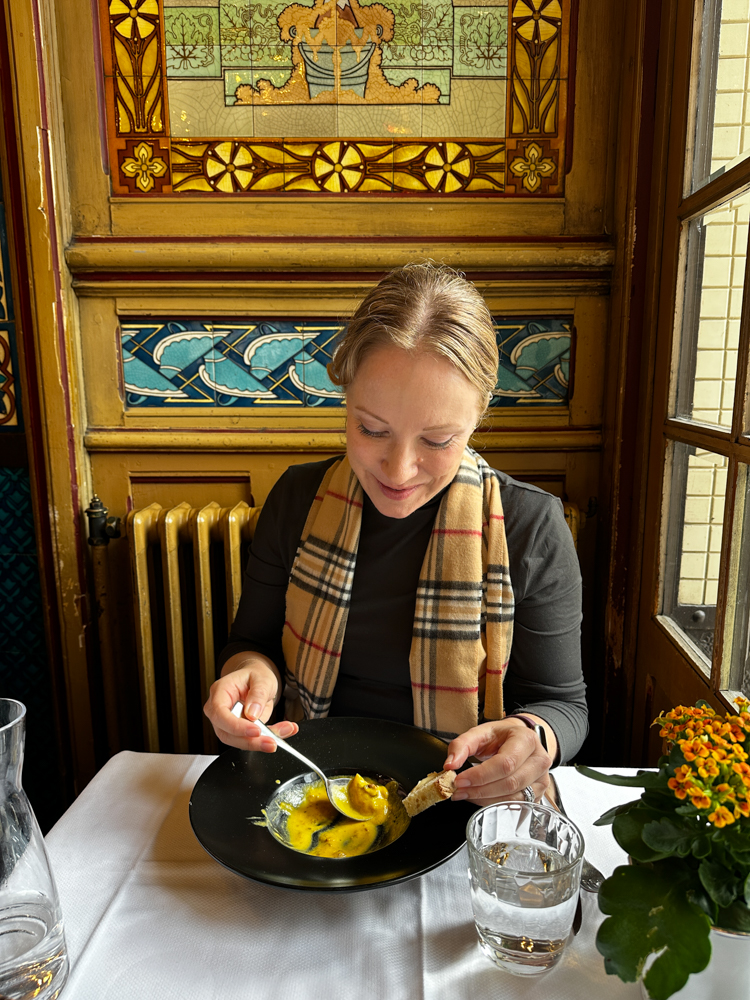
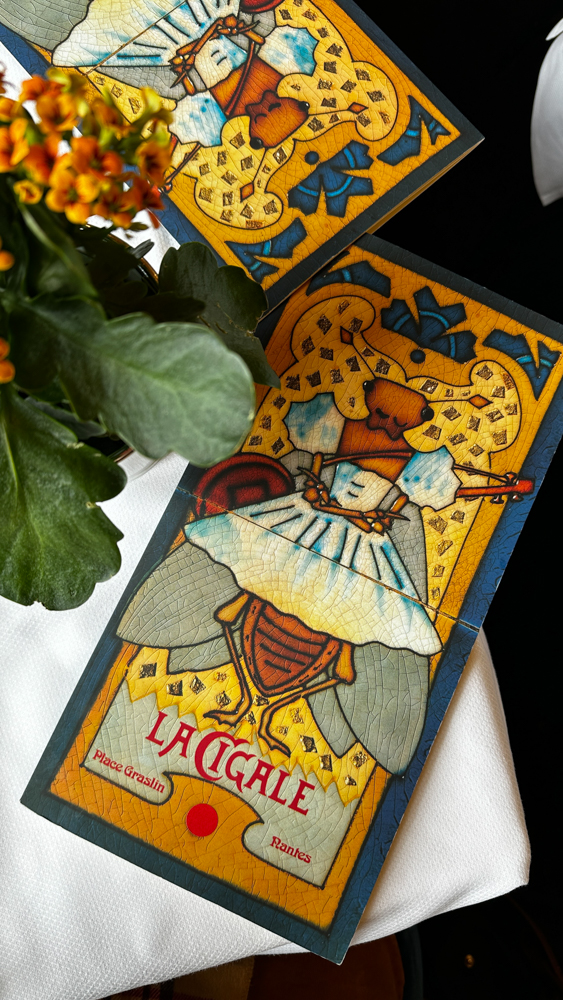
Look closely at the tiles and you’ll spot the restaurant’s namesake – cigales (cicadas) – including the whimsical emblem of a cicada wearing a tutu and carrying a mandolin. In French culture, cicadas symbolize sunshine, summer, and good luck, and architect Émile Libaudière incorporated them throughout this exuberant design. It’s been classified as a historic monument since 1964, which is the only reason it survived when someone tried to turn it into a fast-food restaurant in the ’60s.
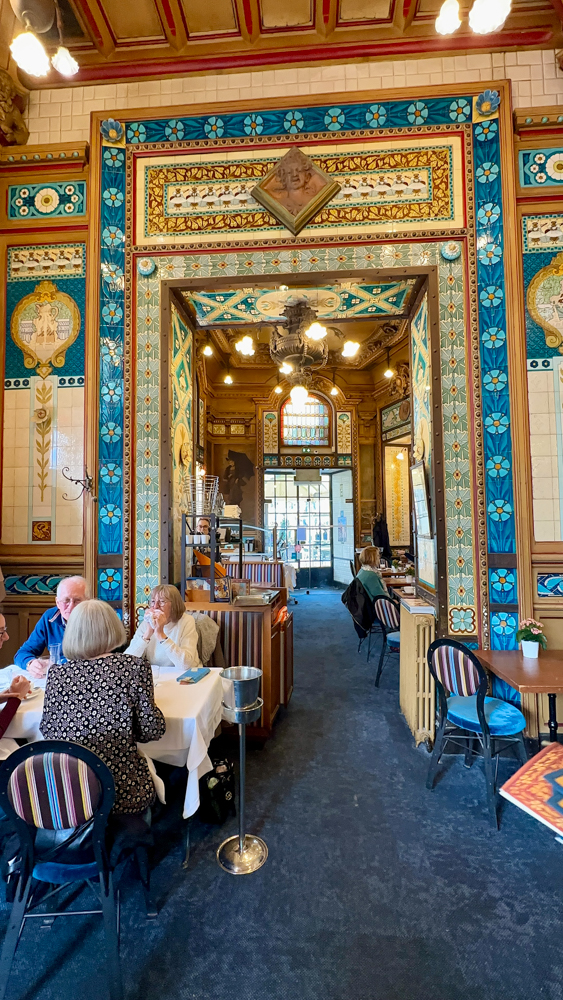
It’s still a working brasserie serving classic French fare including oysters, beef tartare, and profiteroles. You can eat here any time of day from 7:30am to 12:30am, seven days a week. Though, I definitely recommend making a reservation.
Even if you don’t eat here, it’s worth stepping inside just to see the interior. Located right on Place Graslin across from the theater, it’s easy to find.
Fontaine de la Place Royale
Place Royale is the elegant heart of downtown Nantes. The monumental fountain in the center was inaugurated in 1865 and represents the city’s 19th-century prosperity. The central figure embodies the city of Nantes, surrounded by allegorical statues representing the Loire River and its tributaries.
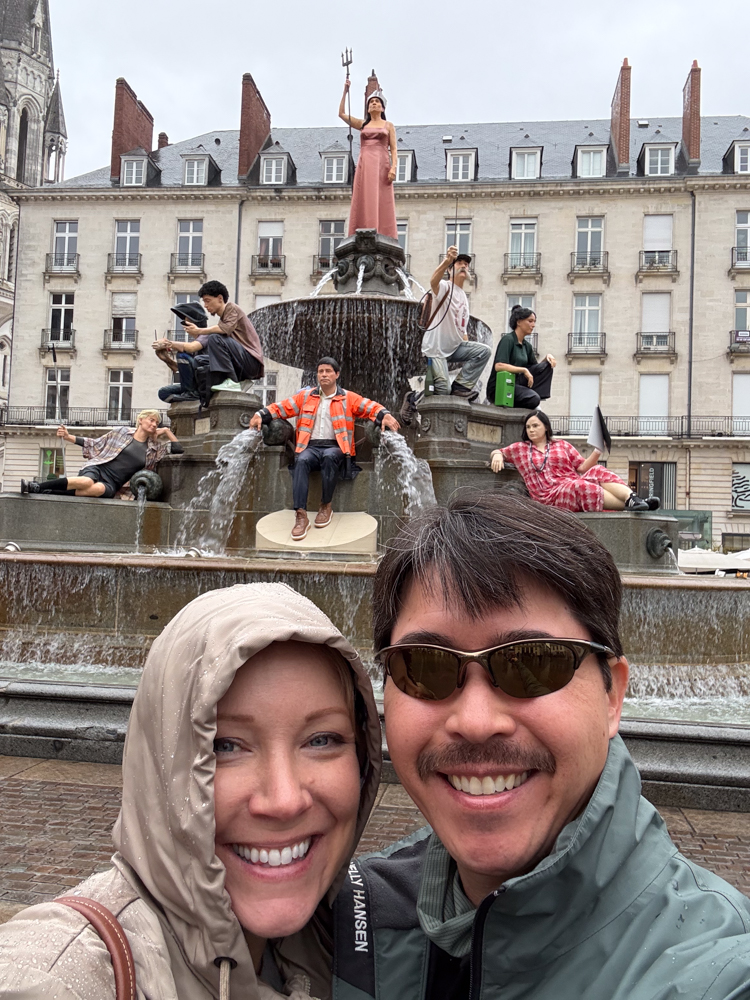
Note: As of 2025, the original statues are being restored and won’t return until January 2026. In their place, Dutch artist Willem de Haan has installed hyperrealistic figures of contemporary Nantes residents, creating an interesting dialogue about what the city represents today versus 160 years ago.
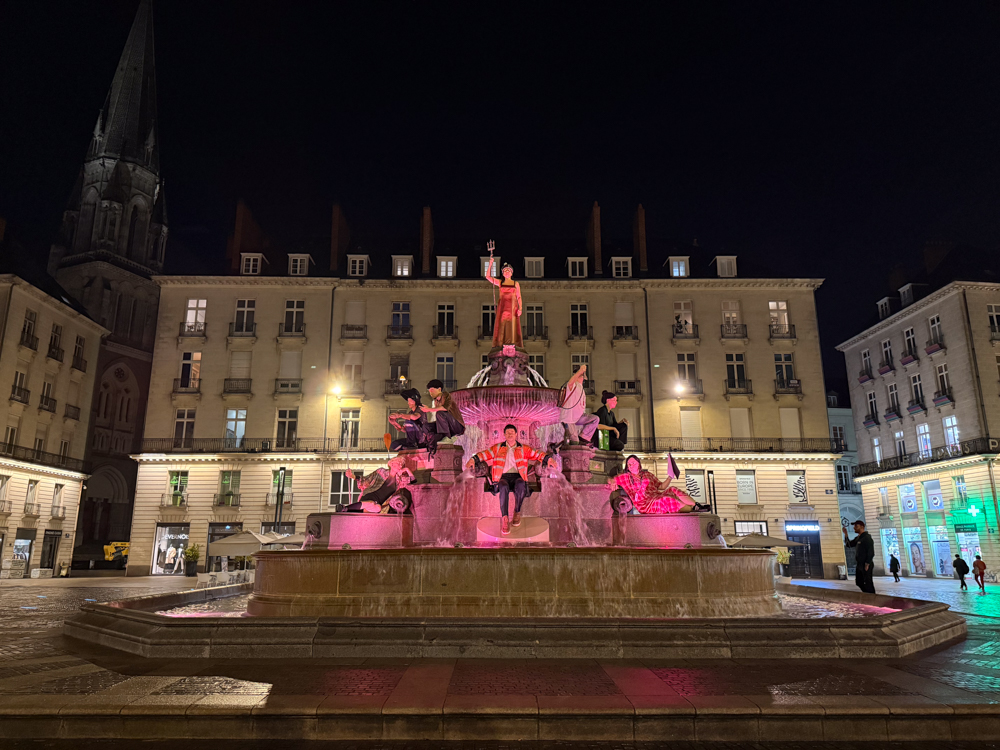
The square itself is surrounded by beautiful neoclassical architecture and lined with shops and cafes. It’s a perfect spot to grab a coffee and people-watch.
Jardin des Plantes
This beautifully landscaped botanical garden opened in 1860 and is considered one of France’s most interesting gardens. It’s massive and covers about 7 hectares right in the city center. And admission is completely free!
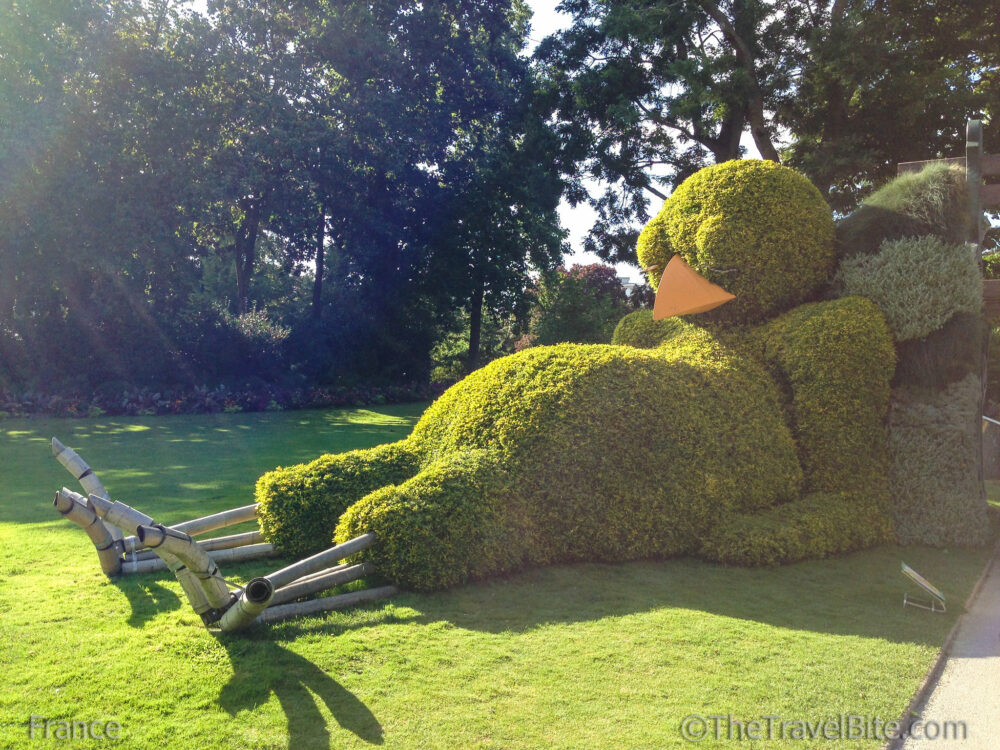
The gardens feature rare plants from around the world, including a spectacular magnolia collection, palm trees, camellias, and exotic species in greenhouses. There’s also a lovely rose garden and perfectly manicured lawns where locals picnic on sunny days.
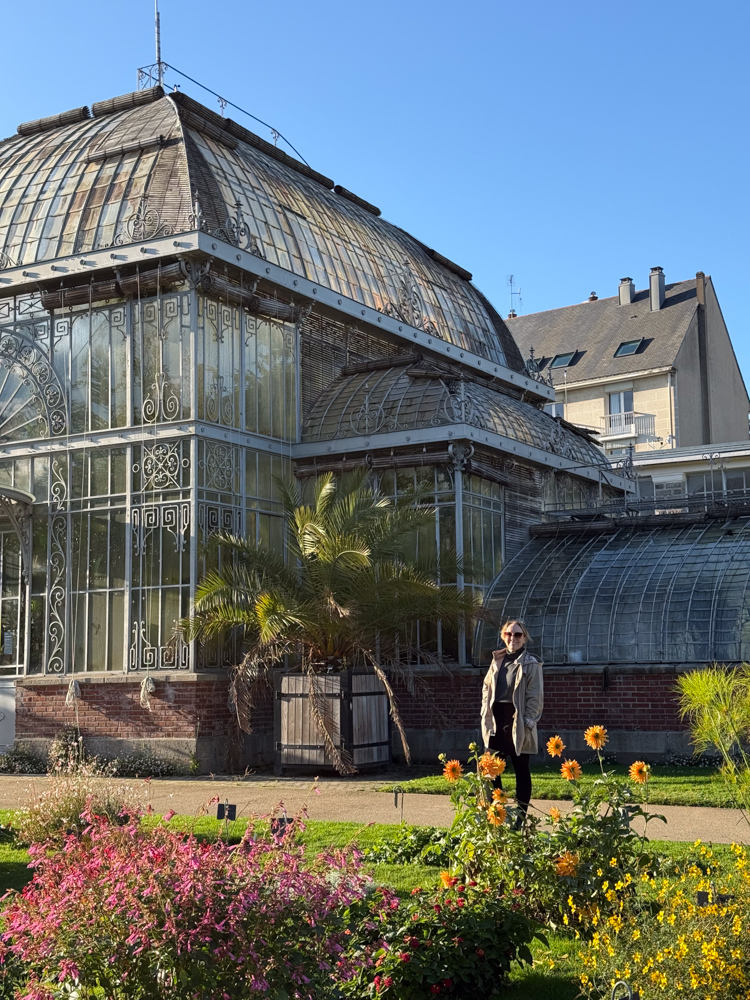
What makes it special is the mix of formal French garden design with more natural, romantic landscaping. You’ll find peaceful gravel paths, ponds, fountains, and plenty of benches for relaxing. It’s the kind of place where you plan to spend 20 minutes and end up staying for an hour.
Passage Pommeraye
This is a beautiful 19th-century shopping arcade, and the perfect spot to visit on a rainy day. Built in 1843, the Passage Pommeraye is a three-story shopping gallery that connects Rue Crébillon (high street) with Rue de la Fosse (which sits at a lower level).
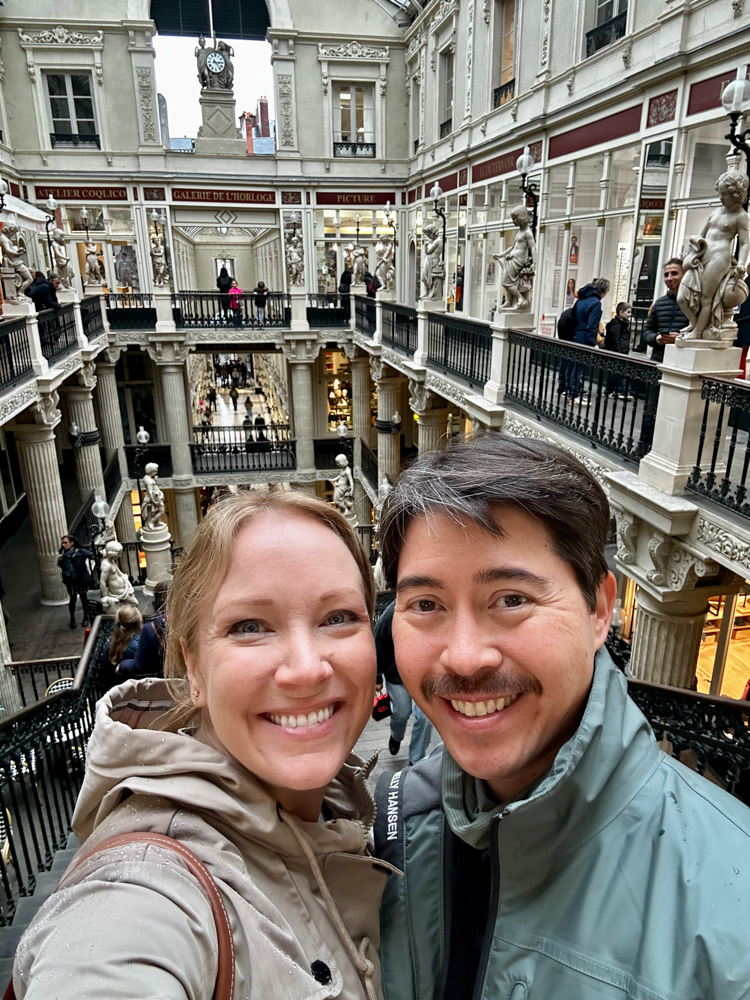
The passage solves the height difference with ornate staircases, creating this dramatic multi-level space. The Neo-Renaissance architecture features elaborate iron railings, sculptures, columns, and a glass roof that floods the space with natural light.
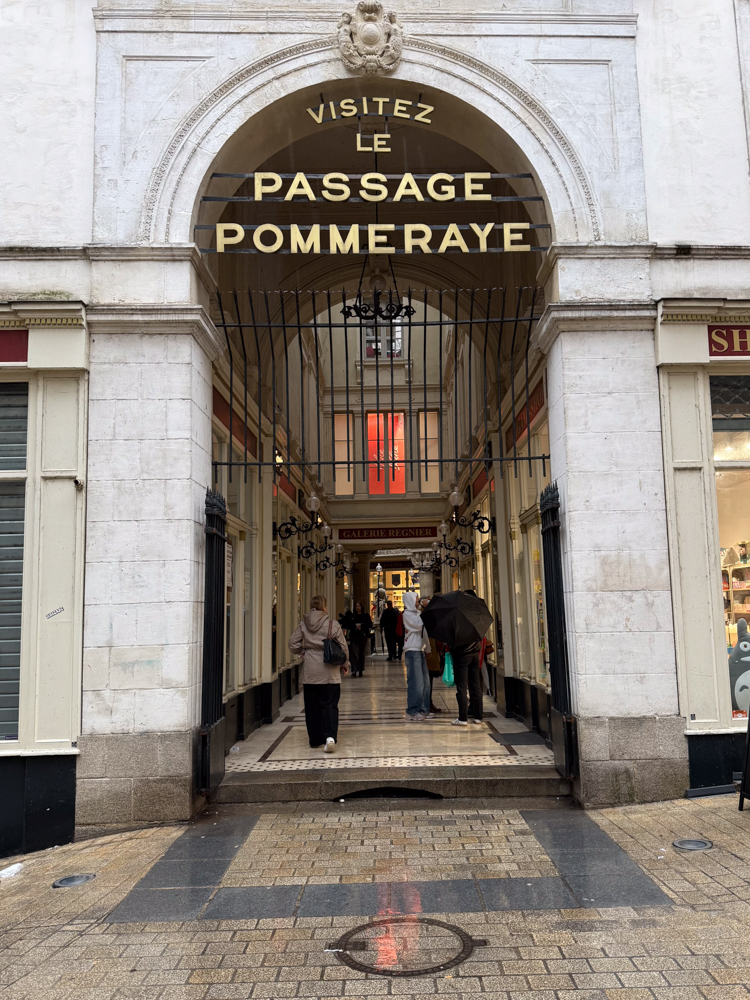
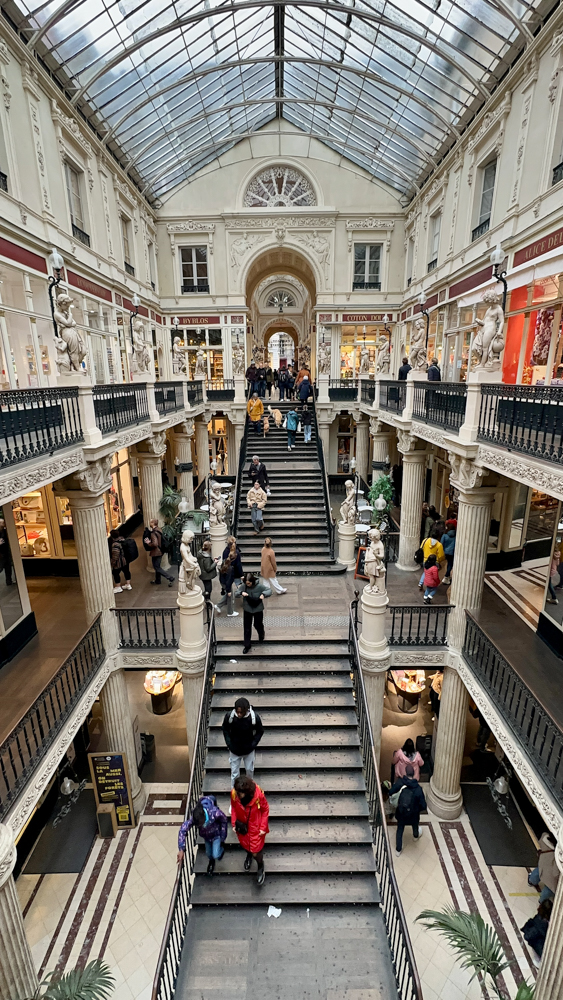
Today, it houses a mix of shops, from boutiques to chocolate makers. But honestly, the shopping is secondary. (Though we had fun spending some time in a kitchen store) Just walking through and admiring the architecture is the real experience. It feels like stepping back in time, especially in the late afternoon when the light comes through the glass ceiling. The passage is right in the city center near Fontaine de la Place Royale.

Cathédrale Saint-Pierre-et-Saint-Paul
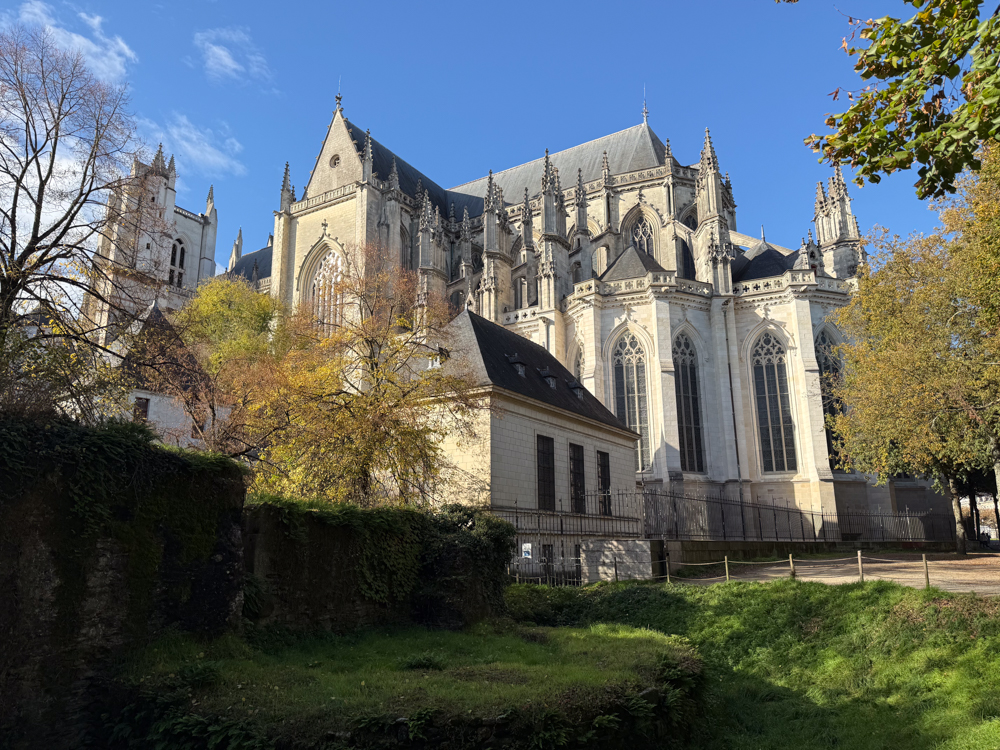
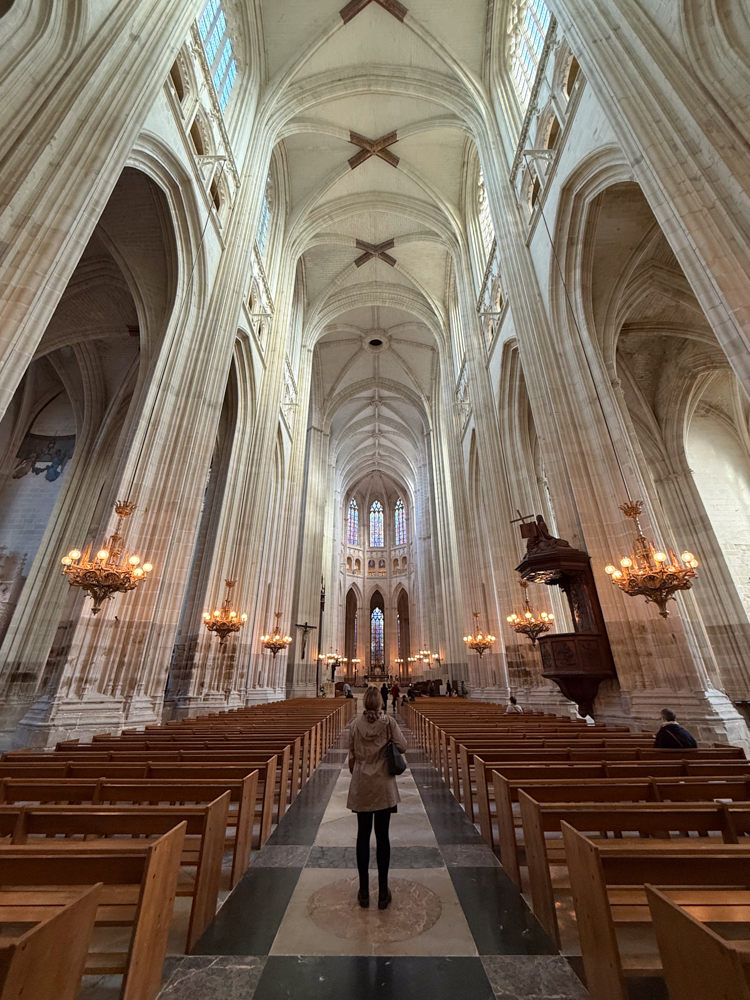
Nantes’ cathedral took 457 years to build (started in 1434, finished in 1891), and you can see the evolution of Gothic architecture in its walls. The exterior is impressive, but the real wow moment comes when you step inside.
The interior is built with white tuffeau stone that creates this almost ethereal brightness. The vaulted ceiling soars higher than Notre-Dame in Paris, and the whole space feels remarkably airy and light for a Gothic cathedral.
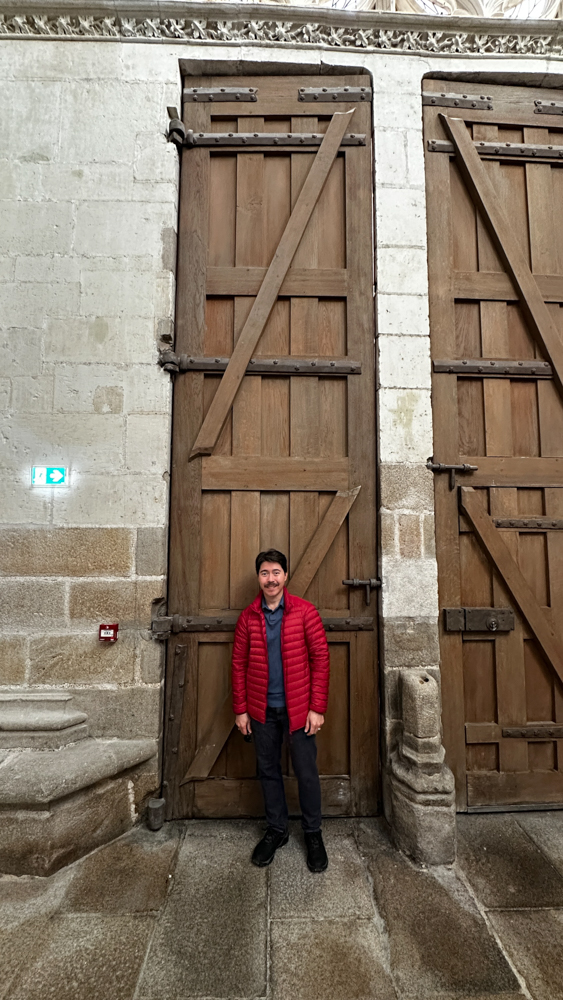
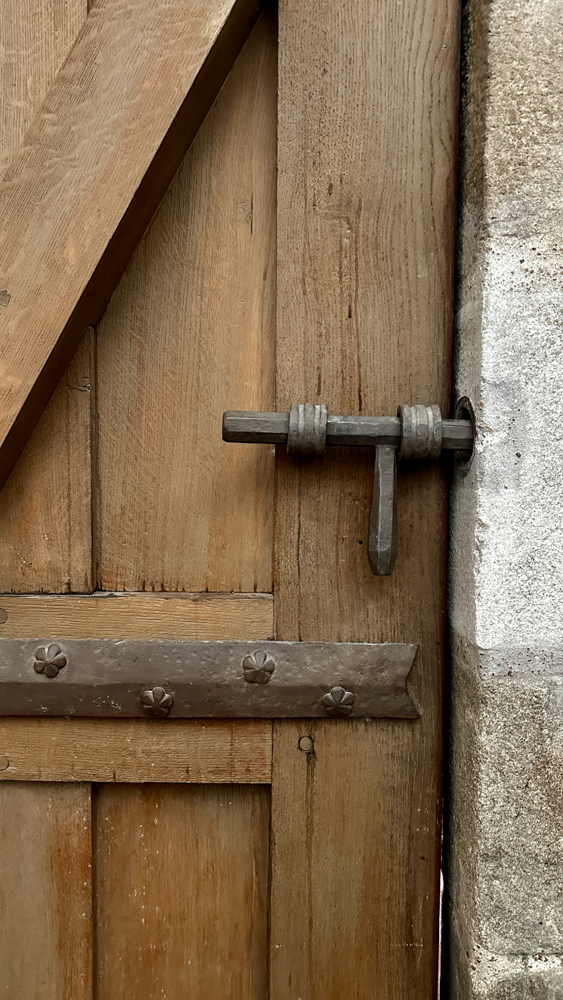
The highlight is the tomb of François II, Duke of Brittany, and his wife Marguerite de Foix. It’s a Renaissance masterpiece with detailed marble sculptures representing virtues and mourners. Even the ironwork on the doors is worth noting. The craftsmanship is extraordinary.
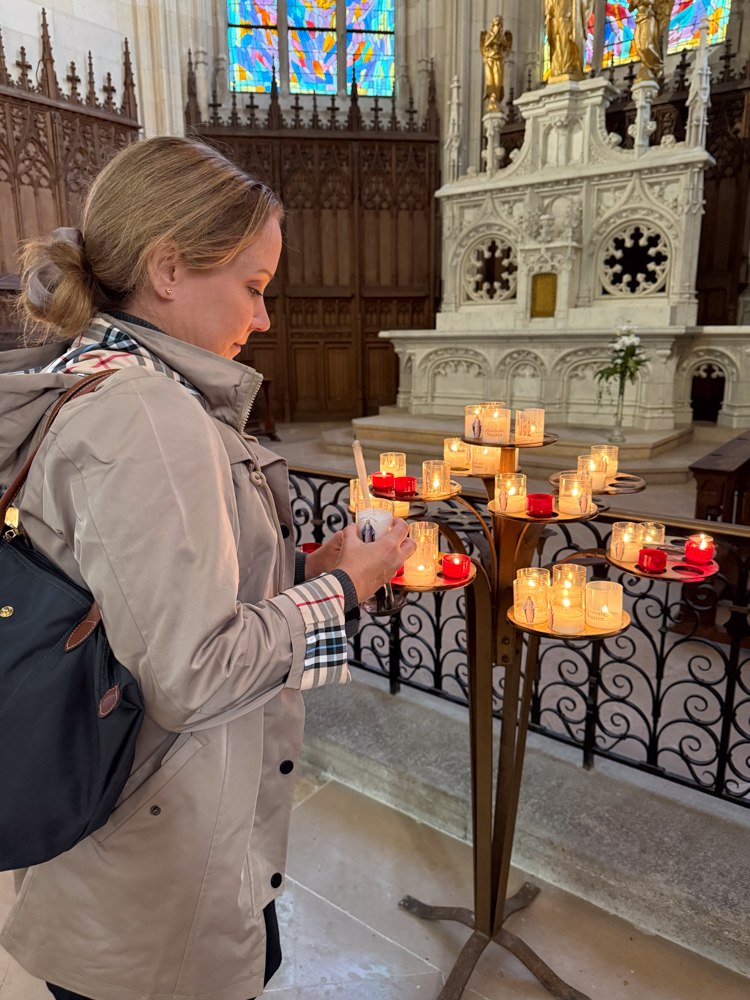
The cathedral is free to enter and worth 20-30 minutes of your time. It’s located in the medieval center, close to the castle. We stopped in on our way walking to Jardin des Plantes.
Where to Stay in Nantes
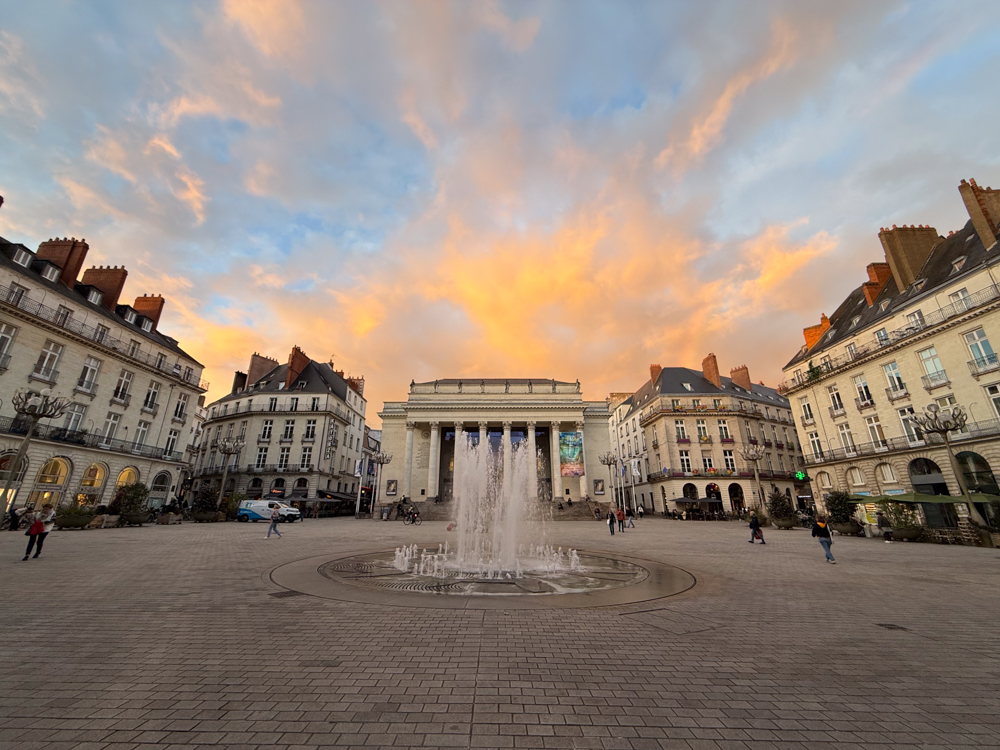
Finding the right neighborhood to base yourself makes all the difference. I’ve put together a complete guide to where to stay in Nantes with specific hotel recommendations for different budgets and travel styles. The city center near Place Graslin and Place Royale puts you within walking distance of most attractions, while Île de Nantes offers a more modern, creative vibe near Les Machines de l’île. Check out my full accommodation guide here to find the perfect spot for your stay.
How Much Time Do You Need?
I’d recommend at least two full days in Nantes, though three would be ideal. The city has a wonderful walkable center, and there’s enough to see and do to keep you busy without feeling rushed.
One day could focus on the historic center (castle, cathedral, Place Royale, Passage Pommeraye), while the second explores Île de Nantes and Les Machines de l’île. The third day gives you time to dig deeper into museums, explore neighborhoods, or take a day trip to nearby wine regions.
Getting Around Nantes
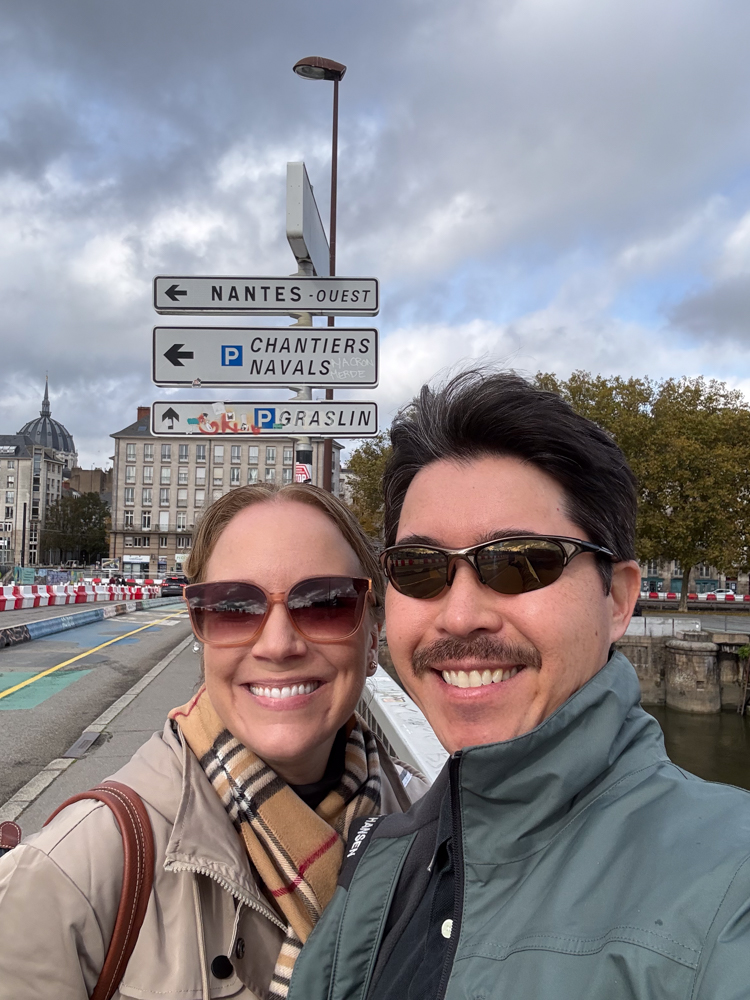
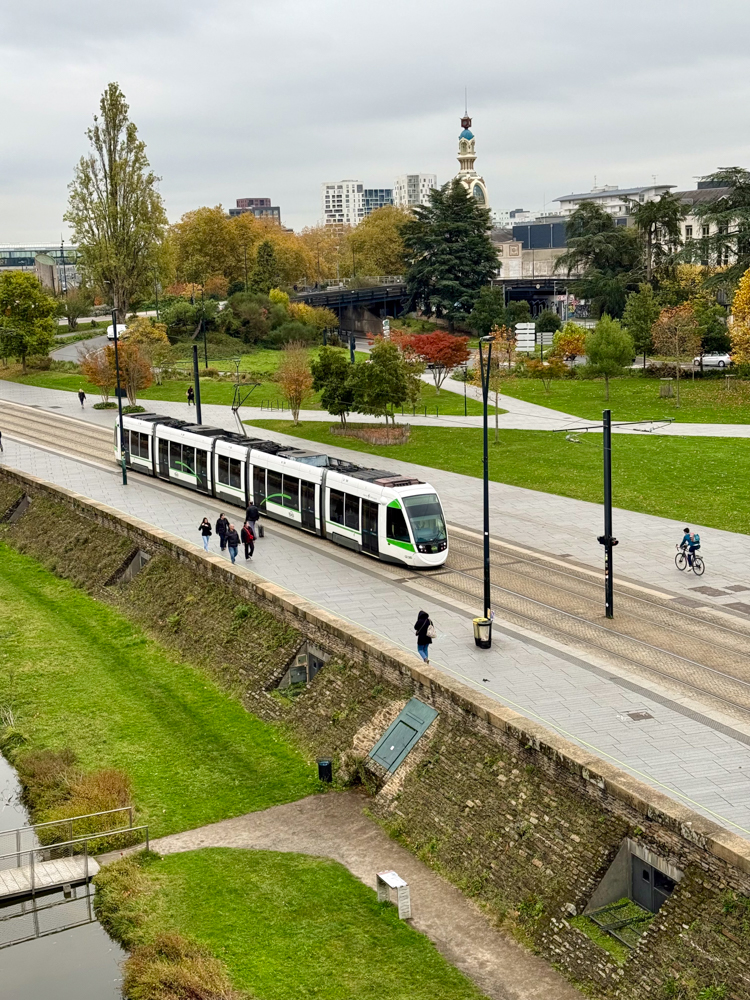
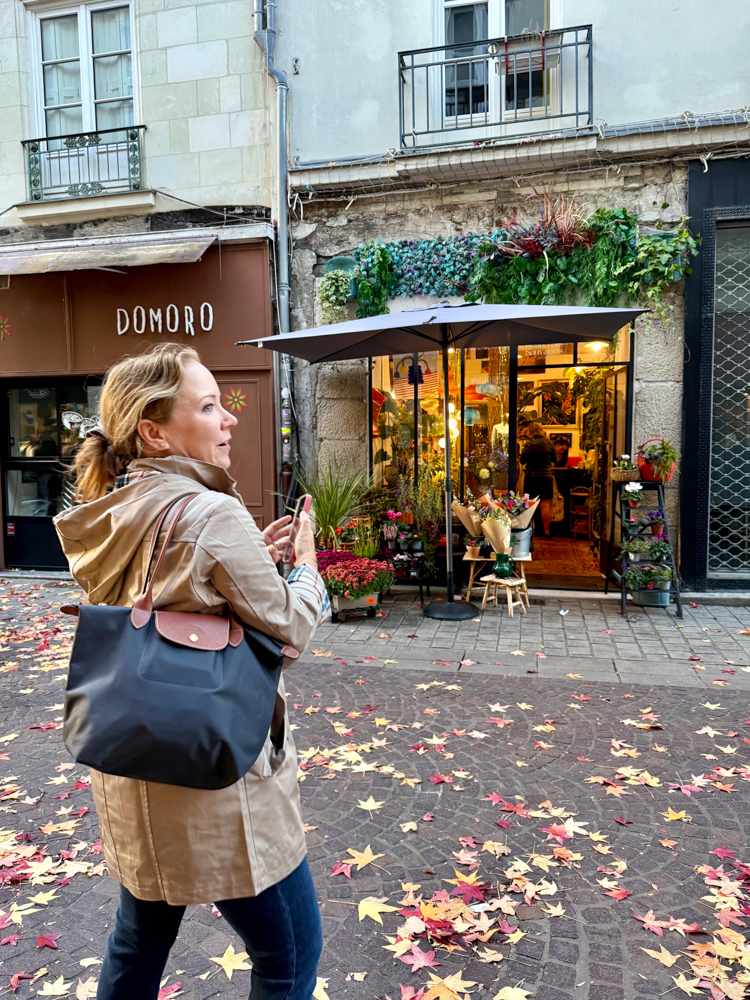
The tram system is excellent and connects all the major sites. The green line from Le Voyage à Nantes makes walking the perfect way to discover the city. I’d skip renting a car for the city itself as parking is tight and the public transportation is so efficient you won’t need it. Honestly, we walked just about everywhere and just took an Uber to and from the airport.
Best Time to Visit Nantes
Nantes is a year-round destination, but the city really comes alive during certain times of the year with festivals and events that make your visit even more special.
Summer: Le Voyage à Nantes (Late June – August)
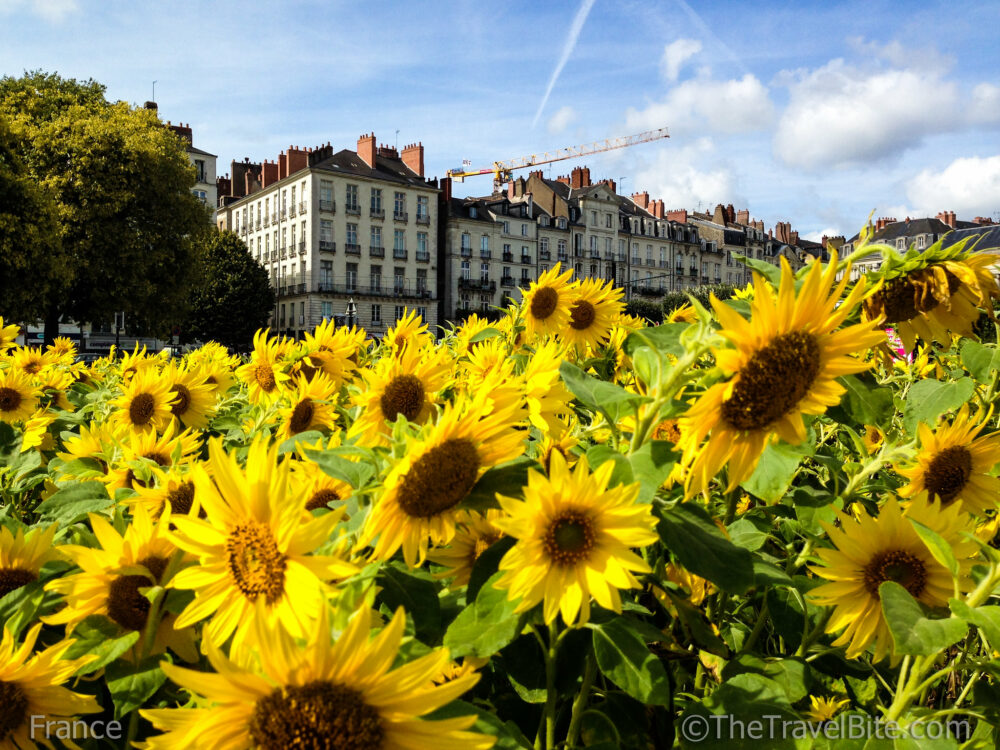
If you can only visit once, summer is the best time. From late June through the end of August, Nantes transforms into an open-air contemporary art museum during Le Voyage à Nantes’s summer edition. This free citywide festival adds dozens of temporary art installations throughout the city, building on the permanent collection that’s there year-round.
Each year has a different theme (2025 was “L’Étrangeté” or “Strangeness”), and you’ll find monumental sculptures, interactive installations, and thought-provoking works scattered across public squares, parks, and unexpected corners of the city. All the cultural venues stay open seven days a week, and there are concerts, shows, and special events throughout the summer.
The green line is activated with even more stops during this time, making it the perfect season to follow the full trail. The weather is warm (though it can be rainy), and the city has an energetic, creative buzz.
Late Summer: Les Rendez-vous de l’Erdre (Late August/Early September)
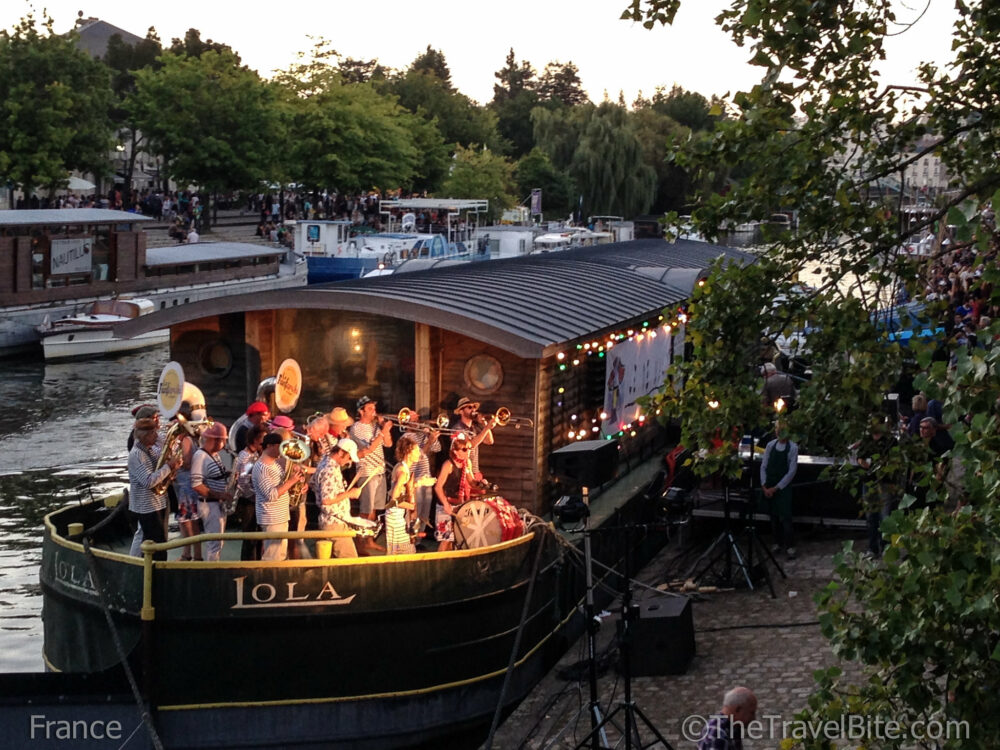
If you love jazz, plan your visit around Les Rendez-vous de l’Erdre, France’s only free jazz festival. Held over four days in late August (typically the last weekend of August through early September), this unique festival combines world-class jazz concerts with a spectacular regatta of heritage boats sailing along the Erdre River.
We happened to be in Nantes for a conference during this festival, and it was one of those magical travel moments you can’t plan. Someone handed us a little cup of wine and invited us onto a boat to listen to some jazz. Just like that … no tickets, no reservations, just the kind of spontaneous welcome that makes you fall in love with a place. It was a great party, and the open, friendly atmosphere perfectly captures what makes this festival special.
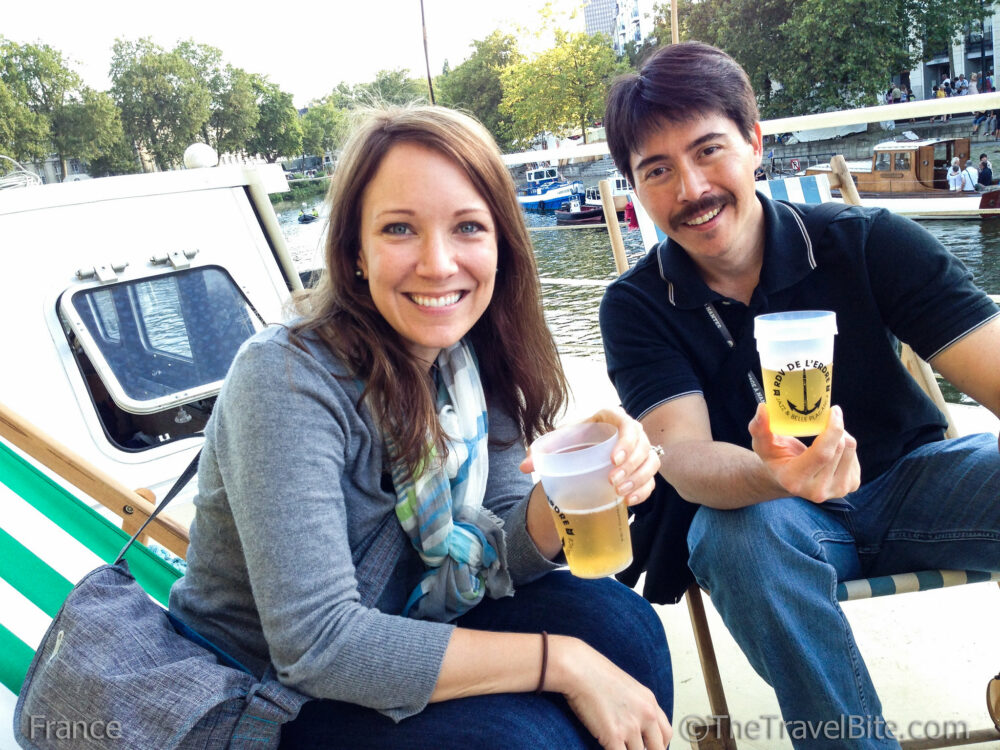
Around 100 concerts take place on stages set up along the riverbanks and even floating on the water. You’ll hear everything from contemporary jazz and blues to swing, funk, and electro. The festival attracts over 150,000 people, but it’s spread across 28 kilometers of river and multiple towns, so it never feels overcrowded.
The combination of music on the water, beautiful late summer weather, and the festive atmosphere makes this one of the most special times to experience Nantes.
Winter: Marché de Noël (Late November – Late December)
For pure holiday magic, visit during the Nantes Christmas Market. Running from around November 20 through December 28, this is one of the largest Christmas markets in western France, with nearly 200 wooden chalets filling Place Royale and Place du Commerce. We saw them stetting up the wood chalets toward the end of our last trip and it looked like a storybook!
Like most European Christmas markets, they feature local artisans, Christmas decorations, unique gifts, and plenty of food stalls serving roasted chestnuts, mulled wine, hot chocolate, and regional specialties. There are workshops for kids, a carousel, and Santa Claus makes appearances in his illuminated house on Place Royale.
The entire city center is decorated with lights and Christmas displays, creating a wonderfully festive atmosphere. The Passage Pommeraye is particularly magical during the holidays. If you’re visiting in winter, this makes the shorter, grayer days feel cozy and special.
Shoulder Seasons: Spring and Fall
Spring (April-May) and fall (September-October) offer milder weather, fewer crowds, and lower hotel rates. The city is beautiful in spring when the Jardin des Plantes bursts into bloom. Fall brings gorgeous colors to the parks and gardens, and you’ll still have pleasant weather for walking the green line and exploring outdoors.
The only downside is that you’ll miss the major festivals, but you’ll still have access to all the permanent attractions and art installations. If you prefer a quieter, more relaxed pace, these seasons are ideal.
Weather Considerations
Nantes has an oceanic climate, which means:
- Mild winters (rarely below freezing)
- Pleasant summers (usually in the 70s°F/low 20s°C)
- Rain year-round (bring a light rain jacket no matter when you visit)
- The sunniest months are typically July and August
The city is perfectly walkable in any weather, and many of the main attractions are indoors or covered, so don’t let a chance of rain deter you from visiting. Nantes is also one of the most visitor-friendly cities we’ve ever been to and will likely visit again!
Nantes feels like a city that’s comfortable with itself. It’s honored its maritime and industrial heritage while completely reinventing what those old spaces can be. The shipyards became art installations. The cranes became landmarks. The biscuit factory became a cultural center. The city turned its history into a creative playground.
It’s not trying to be Paris or Lyon. It’s doing its own thing, and doing it really well.

Leave a Reply