Things To Do In Curacao: Culture, Food, Art & Hidden Gems
Most Caribbean islands follow a familiar formula: white sand beaches, umbrella drinks, resort pools, and a souvenir shop or two. Curacao doesn’t follow that formula, and that’s exactly why it should be on your travel list.
I’ve been to the Caribbean dozens of times, and Curacao genuinely surprised me. The island has a working economy that doesn’t depend on tourism, which means you get a more authentic slice of local life than you’ll find almost anywhere else in the region. The capital, Willemstad, is a UNESCO World Heritage Site packed with real history, incredible food, and a creative arts scene that springs from the community itself. And yes, there are beaches too and some of the best snorkeling and diving in the entire Caribbean! Here’s everything worth knowing before you go.
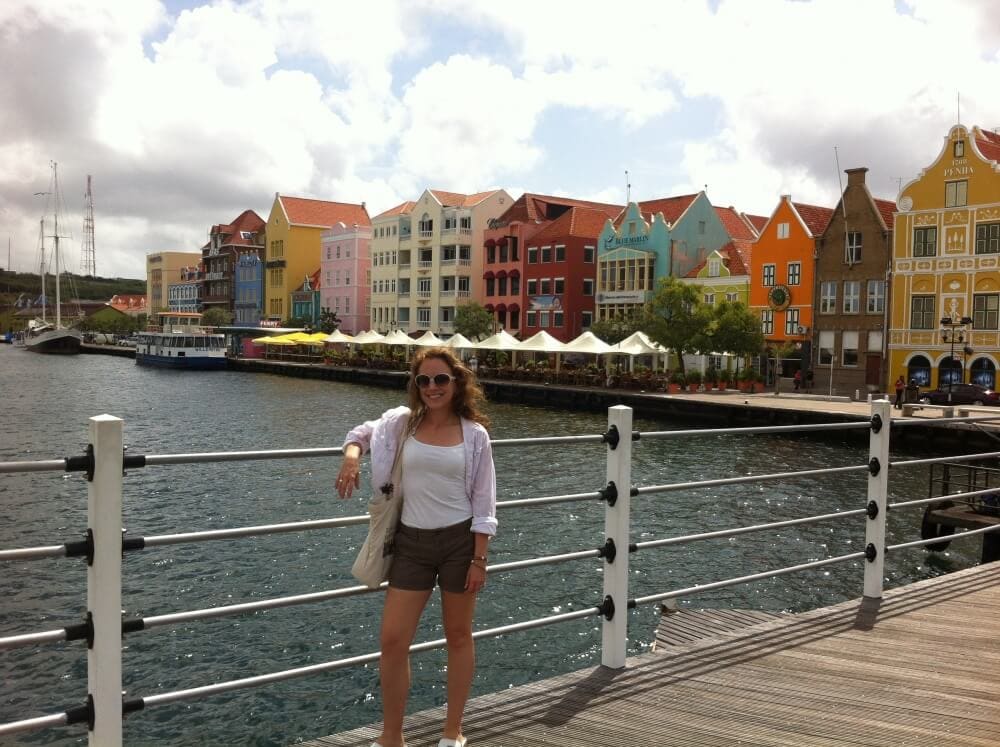
On the floating bridge in Willemstad.
Willemstad: The Heart of Curacao
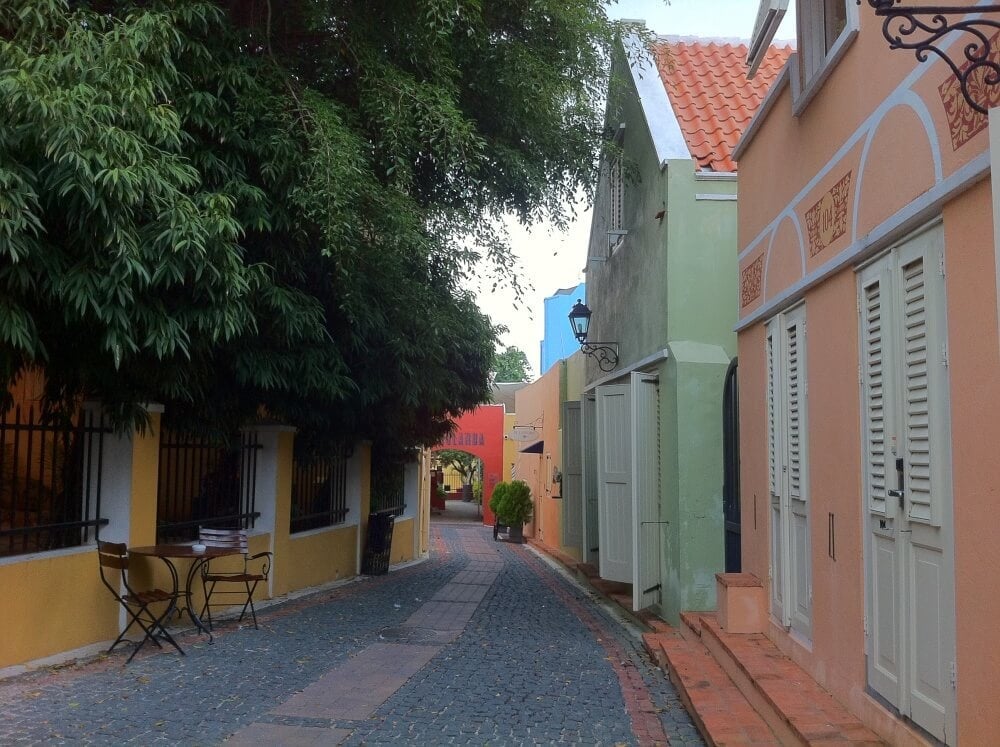
The first time you see Willemstad, you might wonder if the candy-colored row of Dutch colonial buildings along the harbor is a theme park built for tourists. It’s not. Those vivid facades — turquoise, ochre, coral, gold — have been here for centuries, and there’s actually a wonderful story behind them.
The original buildings were constructed narrow and tall to minimize street frontage, since building taxes at the time were charged by the foot facing the road. They were plastered white with a mix of sand and shells. The story goes that a former governor suffered migraines from the glare of the bright white buildings reflecting the Caribbean sun, so he simply ordered them all painted different colors. Whether that’s historical fact or island legend, the result is one of the most visually spectacular waterfronts in the world, and it earned Willemstad its UNESCO designation in 1997.
Wandering both sides of the harbor — Punda on one side, Otrobanda on the other — is one of the best things you can do in Curacao. Cross back and forth on the Queen Emma Bridge, a floating pedestrian bridge that swings open to let boats through, and you’ve already had a Curacao experience most visitors miss completely.
The Culture: Papiamentu and Island Life
Curacao’s culture is unlike anywhere else in the Caribbean, and a big part of that is its language. The local tongue is Papiamentu, a creole language that sounds vaguely like Spanish but is woven through with Portuguese, Dutch, French, German, and Arawak Indian influences. It’s the product of centuries as a busy trade port, and navigating even a few words of it is unexpectedly fun. Bon dia for good morning, bon nochi for good night, and danki for thank you will go a long way.
The island’s multicultural history runs deep. It was a significant stop on colonial trade routes, and that heritage shows up in the architecture, the food, the language, and the people. One of the most moving places to spend a few hours is the Kura Hulanda Museum in Willemstad, which houses an extraordinary collection related to the African diaspora, the history of slavery in the Caribbean, and the cultural identity of the island. It is sobering and important, and it offers context for everything else you’ll experience on the island.
The Art: Curacao’s ChiChi Factory
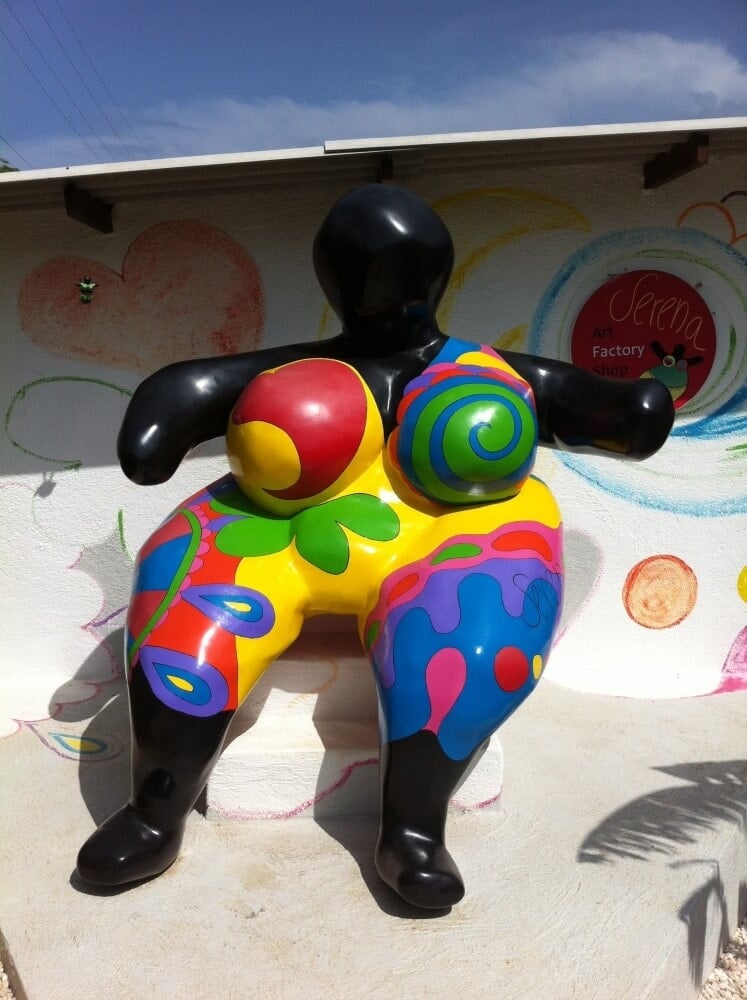
Scattered throughout Willemstad — in shop windows, on garden walls, tucked into courtyards — you’ll notice plump, brightly painted female figures with voluptuous curves and clothing in the vivid colors of the island. These are ChiChis, and they are one of Curacao’s most beloved artistic traditions.
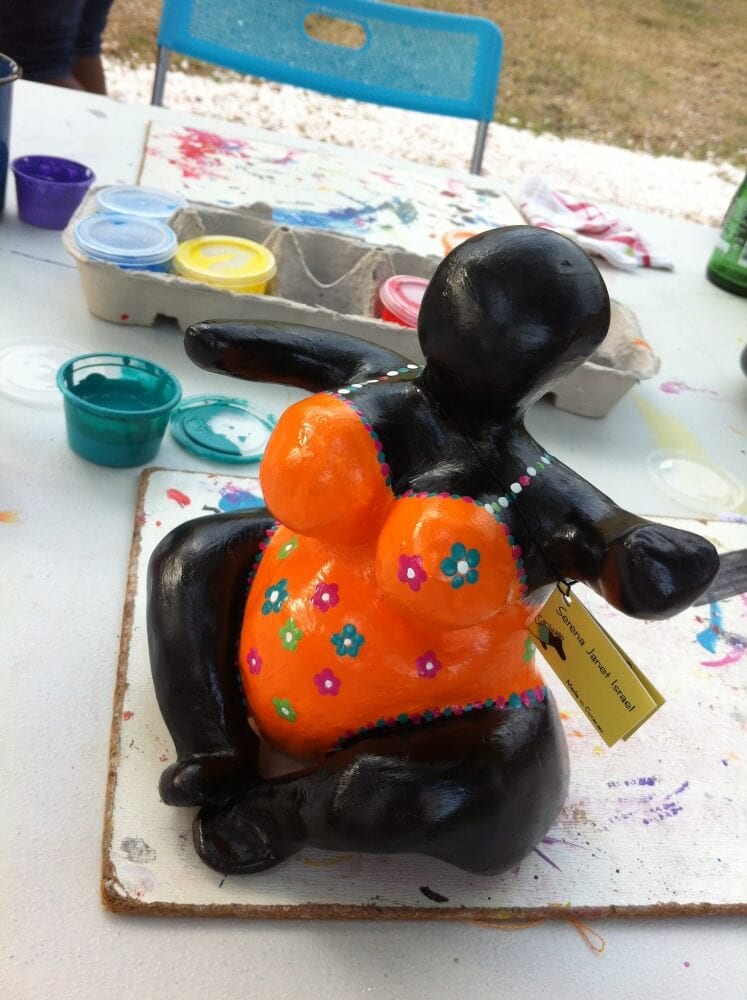
ChiChi’sMy ChiChi
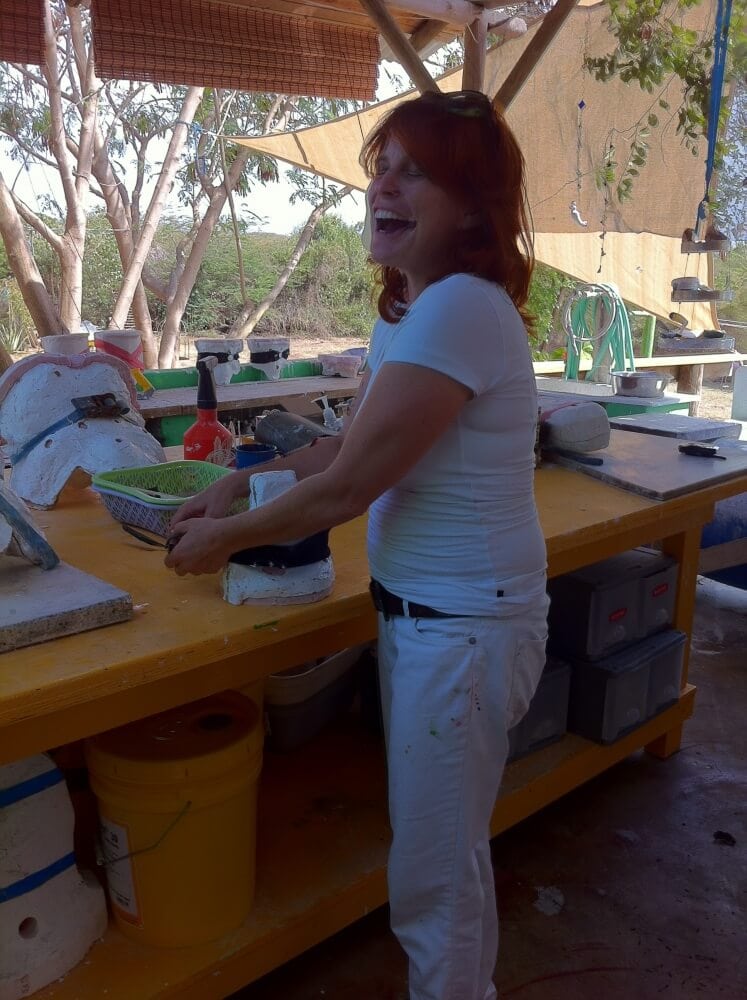
The ChiChi was created by artist Serena Israel, who started making them as a part-time creative project and watched them grow into an art form that employs and empowers women across the island. Chichi is the Papiamentu word for “big sister” — the woman who holds the family together — and each figure is handmade and painted at Serena’s Art Factory. They are copyrighted and trademarked, and Serena has been fiercely protective of keeping production on the island rather than letting them be mass-produced elsewhere.
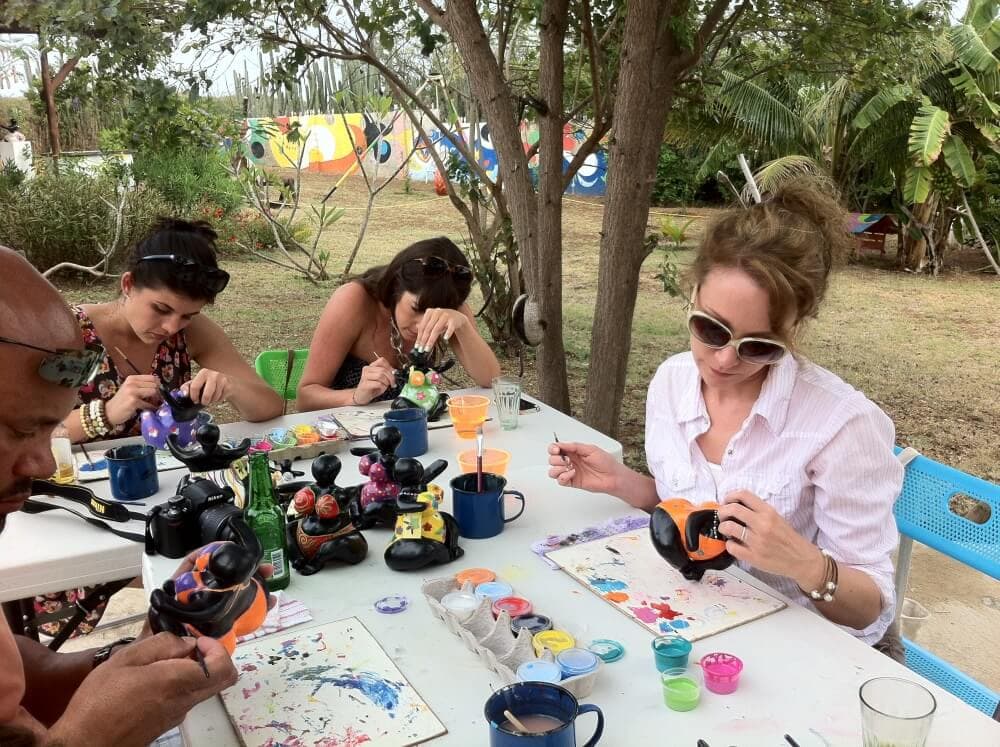
Painting ChiChi’s
When artist Serena Isreal, first created the ChiChi, she had no idea how they’d become so beloved on the island, kind of an unofficial symbol of Curacao.
“It’s important just to keep this, not just for me or my family, but because it belongs to Curacao. There is so many people involved and employed on the island to make the chi chi, it would’t be right for a big company to come in a make them plastic imitation. These are all handmade on the island. Each one is unique.It’s not something that belongs just to me, it belongs to curacao.“
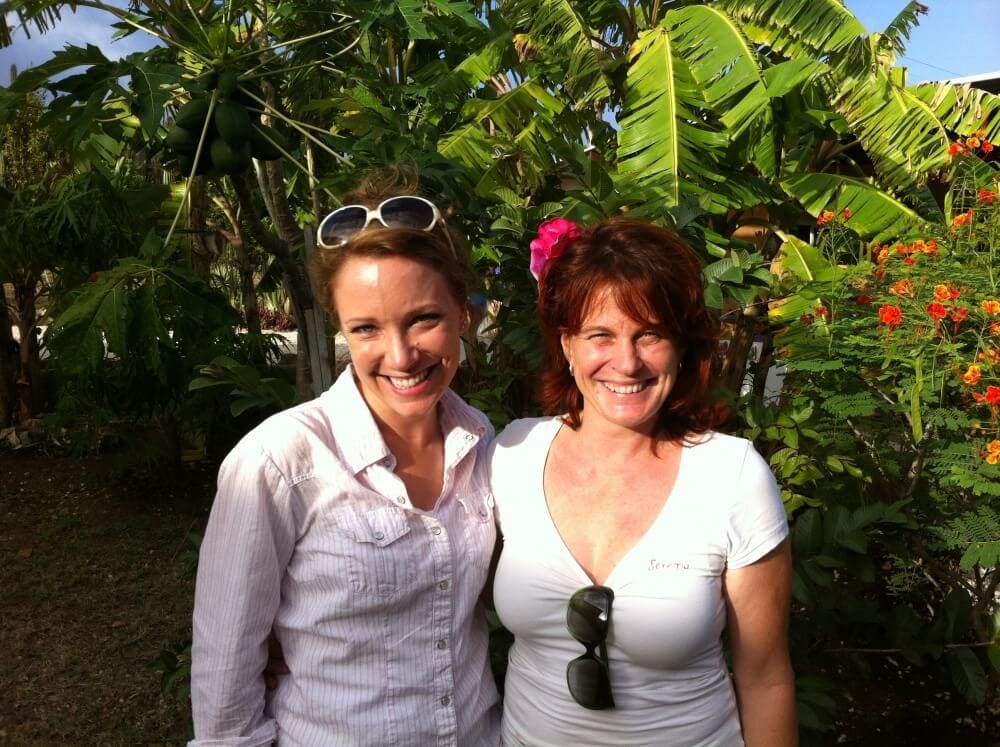
Rachelle & SerenaArtist Serena Isreal making ChiChi’s
Visiting Serena’s Art Factory is one of the most memorable things you can do in Curacao. You can tour the factory, learn the story behind the ChiChi, and even take a painting class where you decorate your own figure to bring home. I painted one on my visit and it still lives on my desk. The factory offers painting workshops and the ChiChi Shop in Punda is also open for browsing and purchasing. Check the ChiChi website for current opening hours and to book a workshop in advance.
Kura Hulanda
The History: Willemstad’s Hidden Layers
Beyond the colorful facades, Willemstad holds some remarkable historical footnotes. Curacao is home to Mikvé Israel-Emanuel Synagogue, the oldest continuously active synagogue in the western hemisphere, built in 1692 and reconstructed in 1732. It is still a functioning place of worship today and open to visitors.
The area known as Kura Hulanda — which means “Dutch courtyard” in Papiamentu — is where I stayed on my visit, and it was one of the most unique hotel experiences I’ve ever had. What was once a crumbling historic neighborhood in Otrobanda had been painstakingly restored by Dutch philanthropist Jacob Gelt Dekker into a collection of 18th and 19th century buildings connected by winding cobblestone paths and hidden courtyards. Walking from my room to breakfast felt like wandering through a small village frozen in time. The resort’s commitment to history extended to an on-site museum dedicated to the cultural identity of Curacao, the Caribbean, and the African diaspora — one of the most thoughtfully assembled collections I’ve encountered anywhere in my travels. The original hotel has since changed hands and is currently undergoing renovation into a new community space with shops, cafes, and accommodation. The Kura Hulanda Museum remains open Tuesday through Saturday, 9am to 4pm, and is not to be missed.
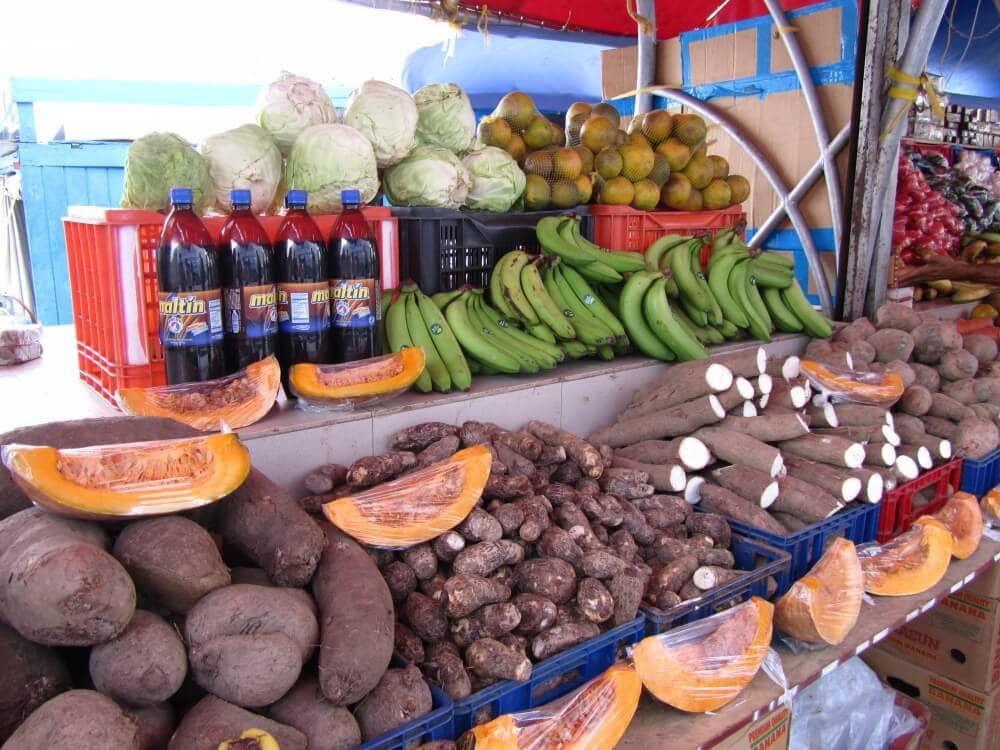
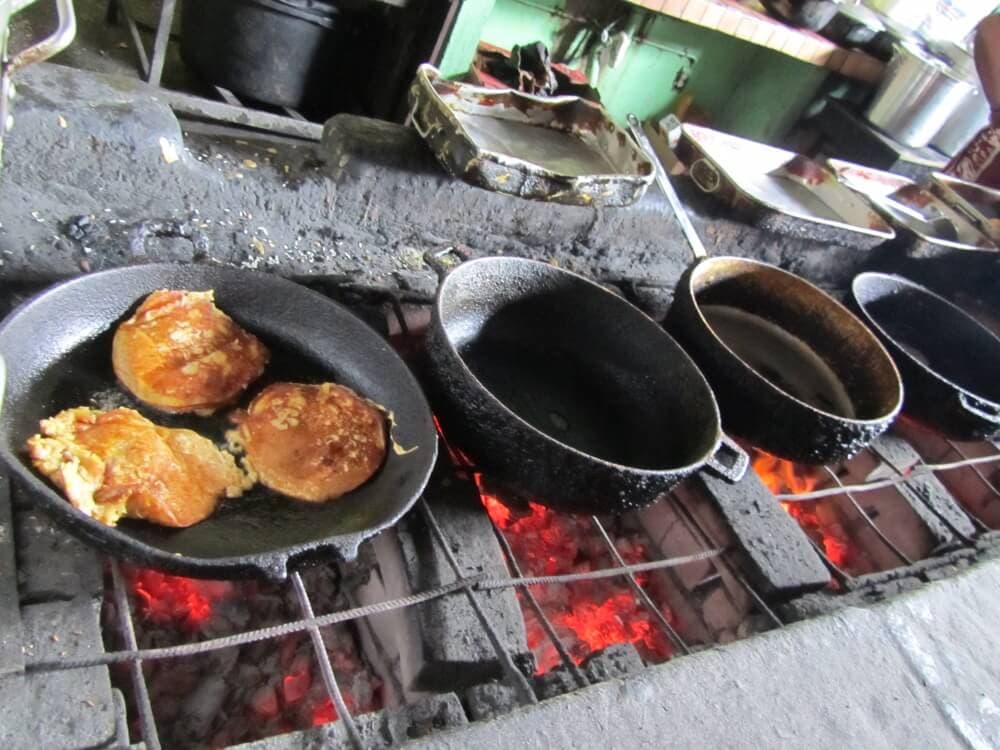
Produce At The Floating MarketTasty local treats at the pavilion.
The Food: What To Eat In Curacao
The cuisine of Curacao is as layered as its language, reflecting centuries of Dutch, African, Venezuelan, and Caribbean influences all mingling together. Here are the dishes and spots worth knowing:
Keshi Yena is Curacao’s national dish and a must-try. It’s a hollowed-out Edam or Gouda cheese shell stuffed with spiced chicken and prunes, then baked until melted and golden. It tastes much better than it sounds and is unlike anything else in the Caribbean.
The Floating Market near the port in Willemstad is one of the most atmospheric spots on the island. Venezuelan vendors arrive by boat to sell fresh tropical fruits, vegetables, and fish directly from the water. It’s colorful, lively, and a genuine slice of local daily life rather than a tourist attraction.
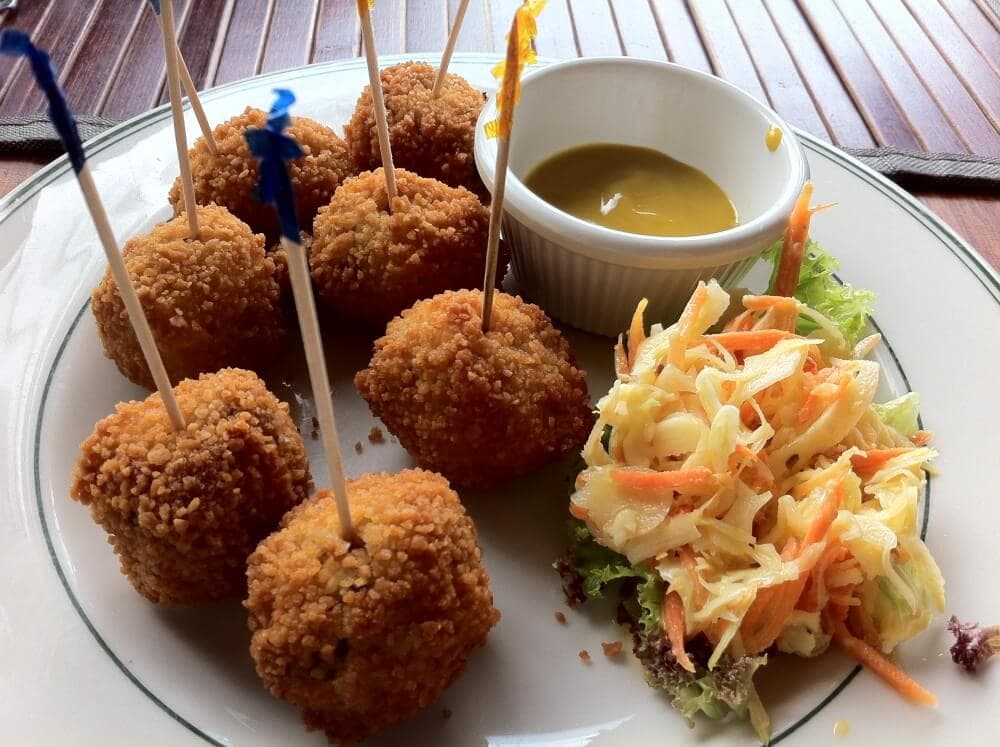
Bitterballen is the Dutch influence showing up on the plate — a fried crispy ball filled with a savory meat ragout, served with mustard. You’ll find it as a bar snack all over the island.
Bitterballen
Equus is the kind of restaurant that becomes a travel story you tell for years. It’s only open on Friday nights, it’s been running for decades, and the concept is simple and unforgettable: you eat with your hands. No cutlery. Just a table full of food, good company, and the kind of communal eating experience that makes you feel like a guest in someone’s home rather than a customer in a restaurant. It fills up, so plan your week around Friday if you want to go. It’s worth it.
Gouverneur de Rouville is the restaurant I’d send anyone visiting Curacao to first. Situated in a restored Dutch colonial mansion in Otrobanda with a second-floor terrace overlooking the harbor, it serves both local Curacaoan specialties and international dishes with a Caribbean twist. The view of the colorful Handelskade skyline from the terrace is spectacular, especially at dusk. It’s open every day from 9am and serves lunch and dinner — the keshi yena and the local beef stew are the standouts. Reserve a balcony table if you can.
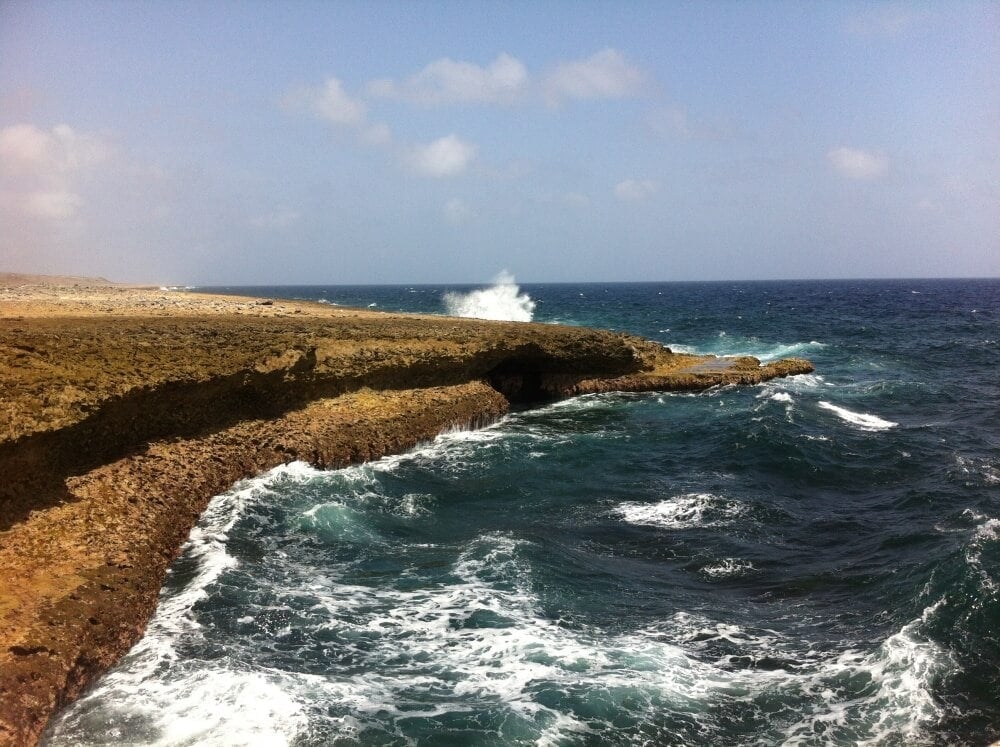
Rocky coastline of Curacao
The Beaches and Diving
Curacao’s coastline is mostly rocky and dramatic rather than the powdery white sand you’ll find on neighboring islands — though sandy beaches do exist, particularly on the northwest coast near Westpunt. What the island is genuinely world-class for is what’s underneath the water.
The coral reefs surrounding Curacao are among the most intact and accessible in the entire Caribbean, and because the island sits outside the hurricane belt, the underwater visibility is exceptional year-round. Snorkeling directly off many beaches requires nothing more than a mask and fins. For divers, the island is consistently ranked among the top dive destinations in the world. Shore dives are possible at dozens of sites around the island without a boat.
If you want a beach day with facilities, Mambo Beach in the south and the beaches at Westpunt in the northwest are the most popular. But the real magic of Curacao is underwater, so don’t skip the snorkel or dive even if it’s not usually your thing.
Practical Tips For Visiting Curacao
Getting there: Curacao is a quick direct flight from Miami, typically around 2.5 to 3 hours. It’s also a popular port of call for cruise ships, but the island rewards a longer stay. Plan for at least 4 to 5 days to really explore beyond Willemstad.
Language: Dutch is the official language but Papiamentu is widely spoken. English is very well understood throughout the island, especially in tourist areas. Spanish is also helpful given the island’s Venezuelan proximity.
Currency: The Netherlands Antillean guilder (ANG) is the local currency, but US dollars are widely accepted. Credit cards work in most hotels and restaurants.
Weather: Curacao sits outside the Caribbean hurricane belt, making it a safe choice year-round. The climate is dry and warm with consistent trade winds that keep it pleasant even in summer. Peak season is December through April.
Getting around: A rental car is the best way to explore beyond Willemstad. The island isn’t large, but public transportation is limited and taxis can be expensive for longer distances.
FAQ
Is Curacao safe for tourists?
Willemstad and the main tourist areas are generally safe for visitors. As with any destination, standard precautions apply — stay aware of your surroundings, don’t leave valuables visible in rental cars, and ask your accommodation about any areas to avoid. The experience of visiting as a tourist is quite different from living on the island full-time, and the vast majority of visitors have positive experiences.
How many days do you need in Curacao?
Four to five days gives you enough time to explore Willemstad thoroughly, visit the beaches and do at least one snorkel or dive, see the ChiChi factory, and eat well. A week lets you relax more and venture to the quieter northwest coast.
What is Curacao known for?
Curacao is known for its UNESCO-listed capital Willemstad with its iconic colorful Dutch colonial architecture, world-class diving and snorkeling, the blue liqueur that bears its name (made from the dried peel of the laraha citrus fruit, native to the island), and its rich multicultural heritage reflected in its food, language, and art.
Is Curacao the same as the blue liqueur?
Yes — Blue Curaçao liqueur is made from the dried peel of the laraha orange, a bitter citrus fruit that grows on the island. You can visit the Chobolobo Mansion in Willemstad, the home of the Senior brand, to see where it’s made and sample the original.
What language do they speak in Curacao?
The official languages are Dutch and Papiamentu. English and Spanish are also widely spoken. Papiamentu is the language of daily life and is a fascinating creole blend of Spanish, Portuguese, Dutch, French, and African and indigenous languages.
Disclosure: My original travel to Curacao was hosted by Kura Hulanda. As always, all experiences and opinions are my own.
Rachelle is the founder of TheTravelBite.com and was named one of USA Today's 10Best Food and Travel Bloggers. She believes the best way to learn about a destination is through its flavors and collects recipes from her trips to recreate them here on The Travel Bite. In her spare time she enjoys running and yoga to balance out her food obsession.
Reader Interactions
Comments
Peter Dudleysays
Looks beautiful! I have never been there but it’s now on the bucket list. Thanks.
Curacao is a very welcoming and enjoyable island. It is the perfect destination for everybody, from newly-weds to families who just want to relax and have an incredible holiday. There are so many tourist attractions and exquisite bars and restaurants. Were you happy with the accommodation, Rachelle? Curacao has many hotels, bungalows, but also luxury villas. One of these amazing accommodation are the villas at Curacao Rental Homes.
I love Curacao!! If you head up north to Grote Knip and Westpunt, there are sandy beaches one after the other. This is about 1 hour from the downtown and resort area but fyi if you go back. I actually spent little time in Willemstad so I need to return for that. I shore dove for days and you can have fires on the beach!!
I do agree with you regarding the history, the people and the beaches on Curacao. It is a great island to visit and enjoy. It is however a different island when it comes to living full time in Curacao. First, the island is not safe! We have been robbed twice in our home when we were sleeping. Second, most island people do not want Americans here. The police is a joke, customs is corrupt, gas is more than $5.00 per gallon, food is very expensive. I would strongly suggest any American to not ever live full time in Curacao! We have lived here for six months and now selling our home and moving back to America as quickly as possible.


Looks beautiful! I have never been there but it’s now on the bucket list. Thanks.
I loved Curacao! (and Bonaire as well). I am a scuba diver, and it has some amazing reefs and dives! Thanks for a good read.
Curacao is a very welcoming and enjoyable island. It is the perfect destination for everybody, from newly-weds to families who just want to relax and have an incredible holiday. There are so many tourist attractions and exquisite bars and restaurants. Were you happy with the accommodation, Rachelle? Curacao has many hotels, bungalows, but also luxury villas. One of these amazing accommodation are the villas at Curacao Rental Homes.
I love Curacao!! If you head up north to Grote Knip and Westpunt, there are sandy beaches one after the other. This is about 1 hour from the downtown and resort area but fyi if you go back. I actually spent little time in Willemstad so I need to return for that. I shore dove for days and you can have fires on the beach!!
I do agree with you regarding the history, the people and the beaches on Curacao. It is a great island to visit and enjoy. It is however a different island when it comes to living full time in Curacao. First, the island is not safe! We have been robbed twice in our home when we were sleeping. Second, most island people do not want Americans here. The police is a joke, customs is corrupt, gas is more than $5.00 per gallon, food is very expensive. I would strongly suggest any American to not ever live full time in Curacao! We have lived here for six months and now selling our home and moving back to America as quickly as possible.