
This post is from a hosted press trip.
There’s a moment (and if you’ve been to the Netherlands in spring, you know exactly the one I mean) where the landscape suddenly shifts from ordinary green to something almost too saturated to be real. Fields of tulips in every color you can imagine, stretching toward a flat horizon under that famously soft northern light. I had been dreaming about this trip for years, and when Pete and I finally boarded Viking’s Tulips and Windmills cruise out of Amsterdam, I genuinely didn’t know if reality could live up to the hype.
It absolutely did. And then some.
Viking Tulips and Windmills River Cruise: Spring in the Netherlands
What makes this particular itinerary so special is that it’s not your typical European river cruise. Instead of tracing a single grand river past vineyard terraces and hilltop castles (which I also love … don’t get me wrong), this route winds through a network of smaller Dutch waterways (the Noord, the Waal, the Lek, the Schelde) delivering you straight into the heart of the Netherlands. It’s a floating road trip through a country that is, frankly, one of the most photogenic places on earth in April.
Here’s what nine days looks like when you trade the highway for a river.

Amsterdam: Your Home Port (and a Very Good Reason to Arrive Early)
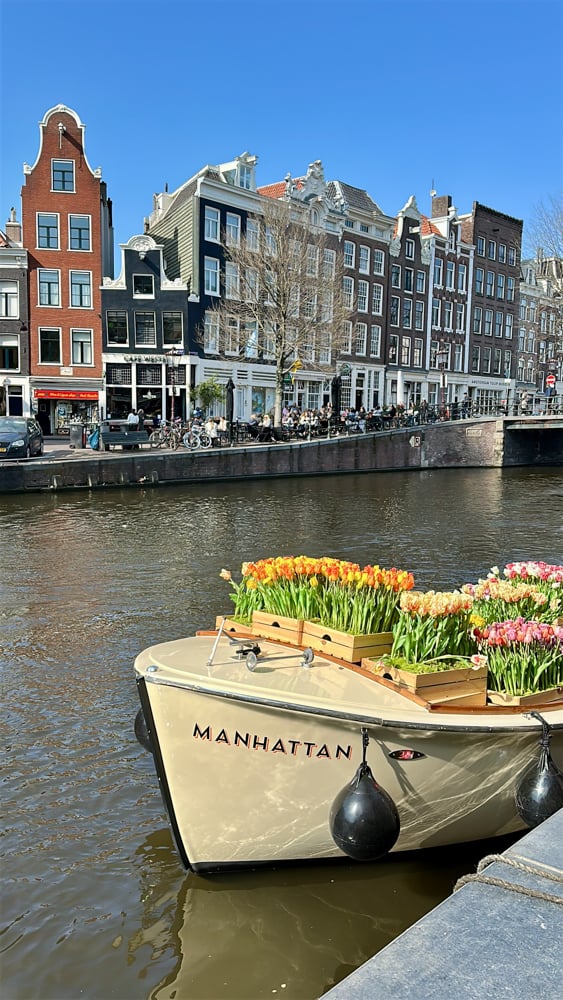
We started and ended in Amsterdam, and I’ll just say it upfront: do yourself a favor and arrive a day or two early. The ship docks right in the city center, which means you can stroll on and off at will. It’s a luxury that felt wildly convenient after a transatlantic flight.
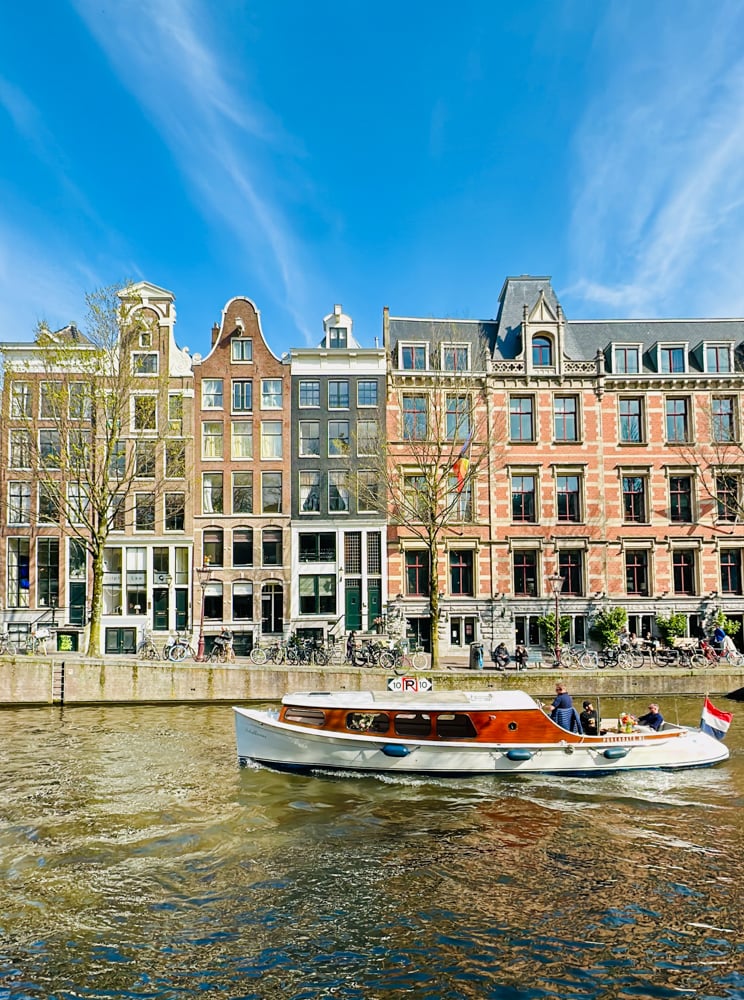
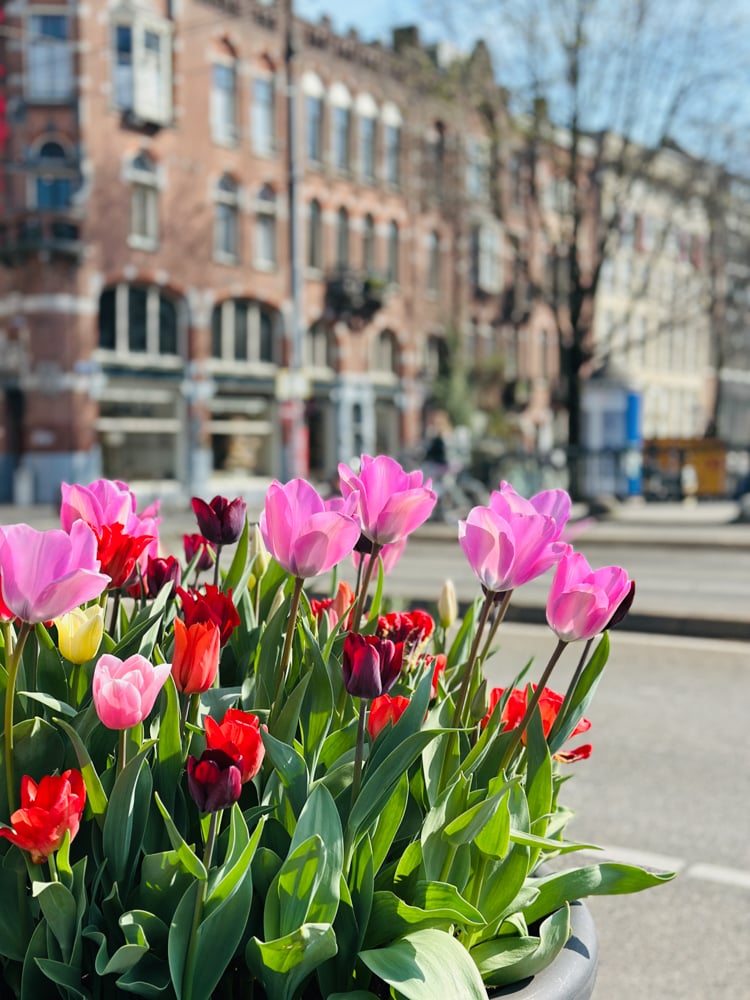
We’ve visited Amsterdam before, so we skipped the major museum queues this time and instead wandered the canals, ducked into a flower shop on a side street, and made a beeline for Hans Egstorf, the oldest bakery in the city, for a proper stroopwafel. Warm, caramel-laced, and pressed between two thin waffle layers. It’s delicious and perfect with a cup of coffee.
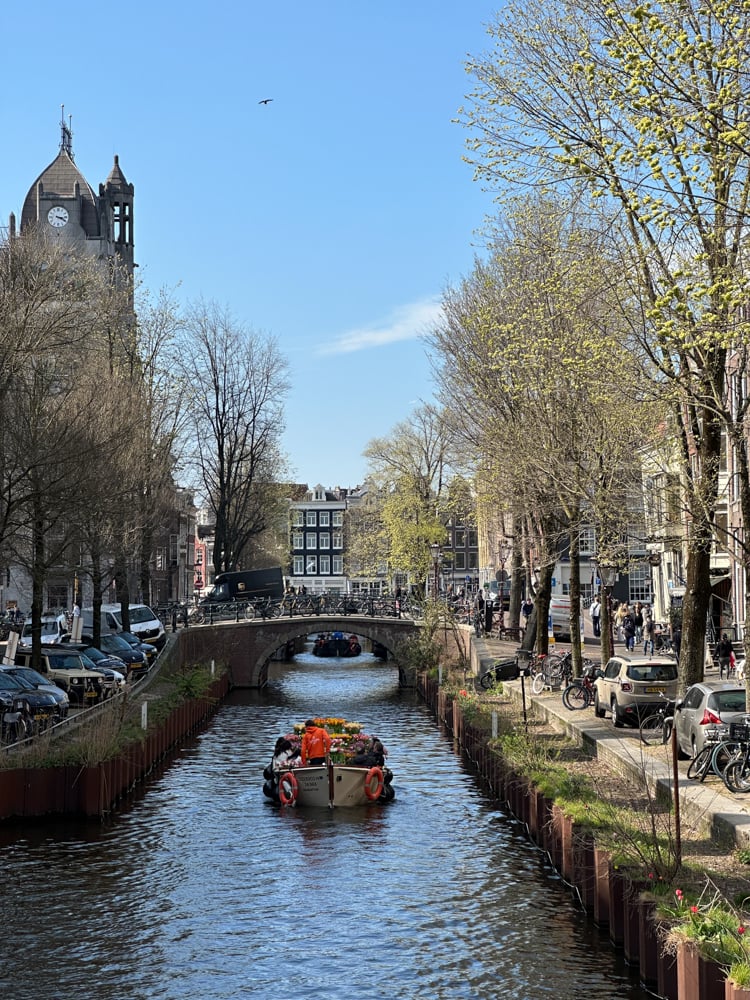
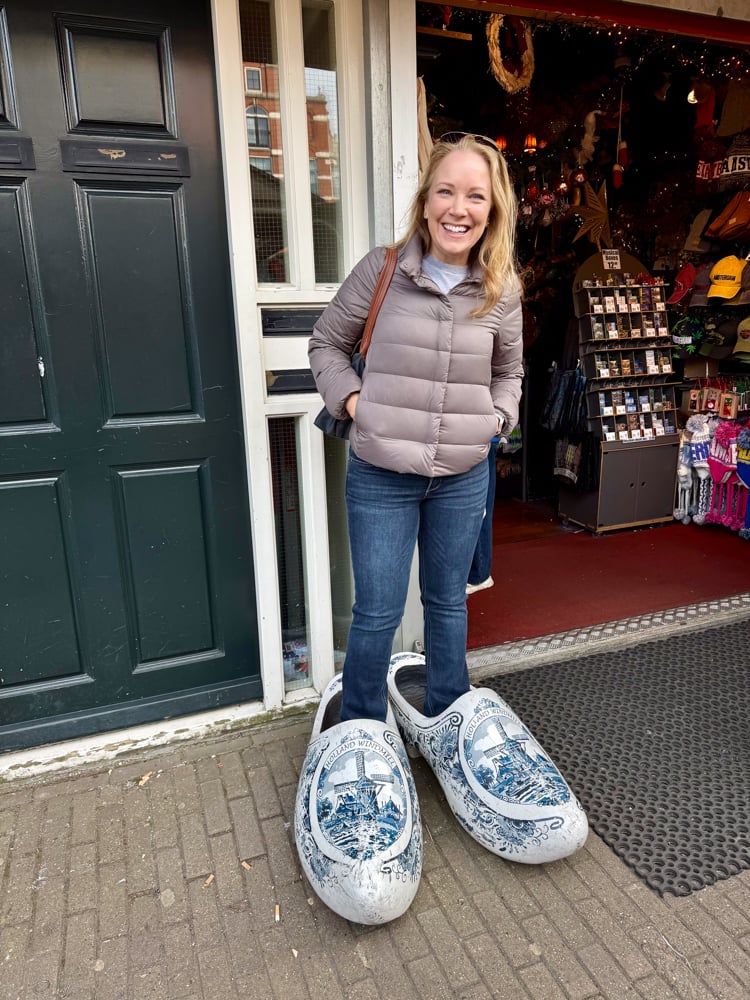
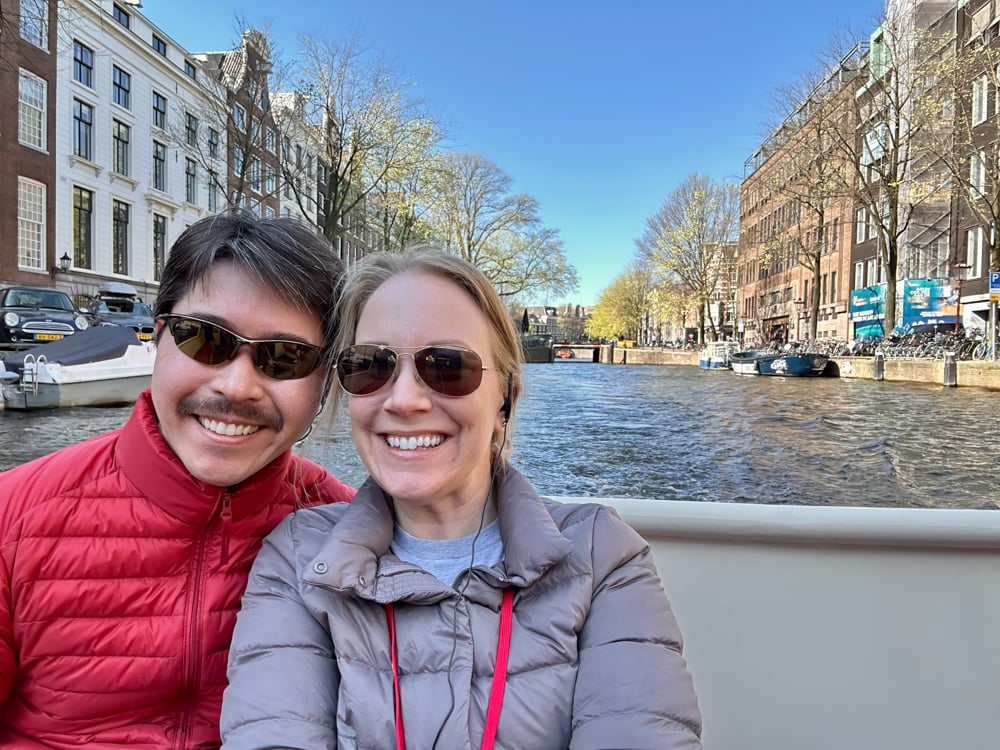
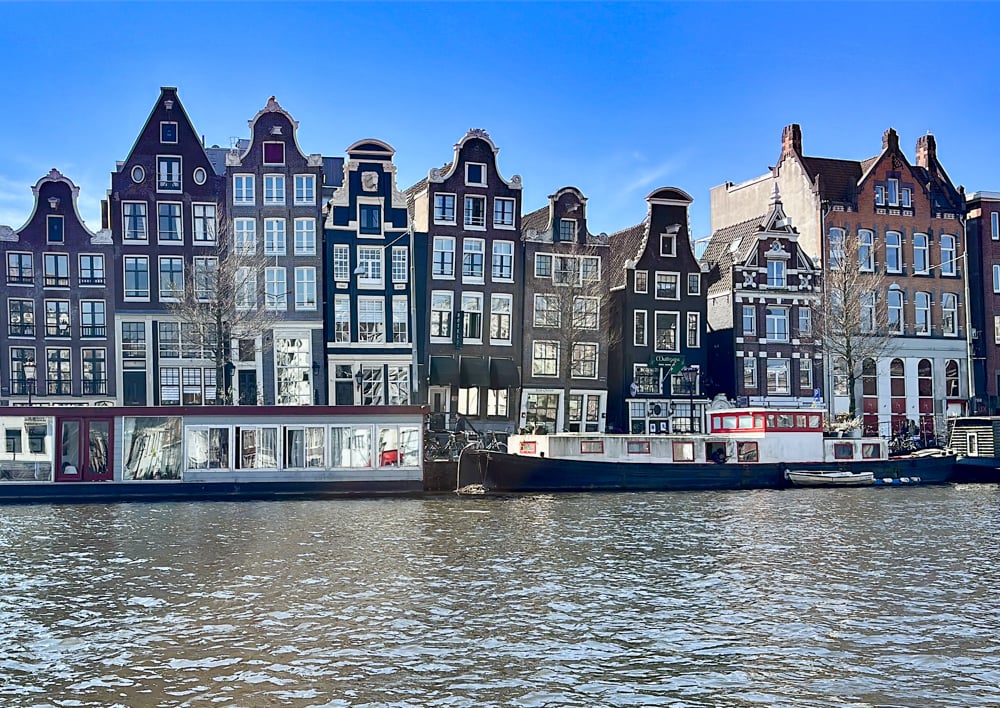
Viking includes an Amsterdam Canal Cruise excursion, and even if you’ve been before, I’d definitely recommend taking it. Gliding along the canals while your guide points out the famously tilted row houses is the kind of leisurely experience that sets the tone for the start of the trip.
Enkhuizen: The Town That Stole My Heart
I didn’t expect to fall head over heels for a small Dutch fishing village on day three, but Enkhuizen did it to me. Daffodils lined the streets. Church bells rang through the cool morning air. Locals sat outside cafés reading newspapers with their coffee, completely unbothered by the world. It had that rare, peaceful quality that’s getting harder and harder to find. It’s a place that felt genuinely lived-in rather than staged for tourists.
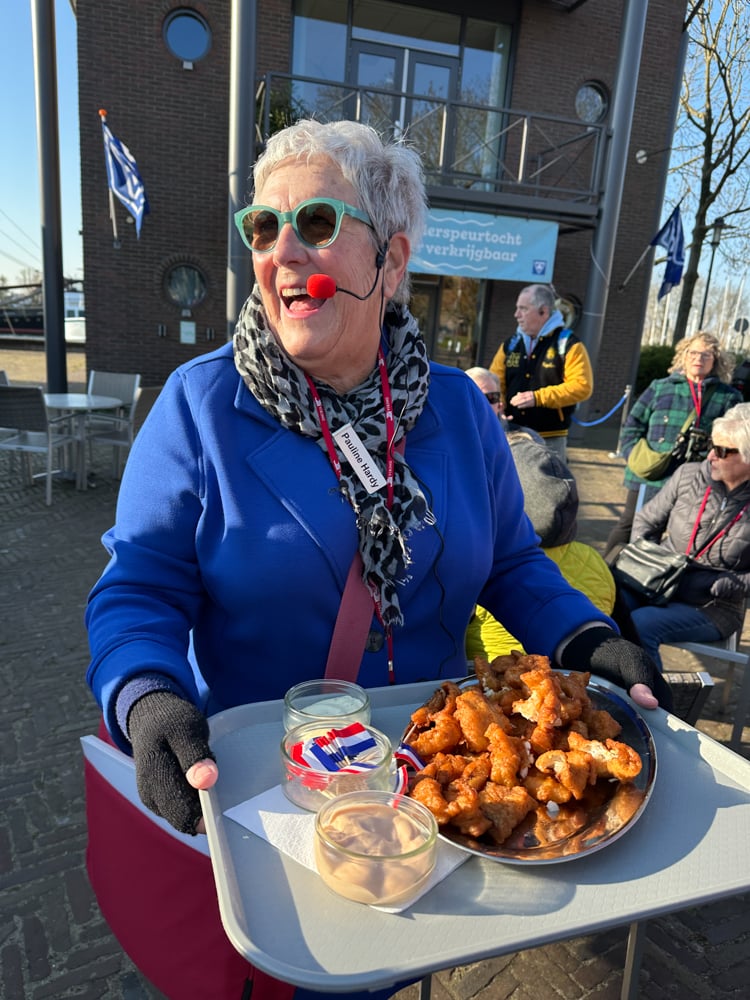
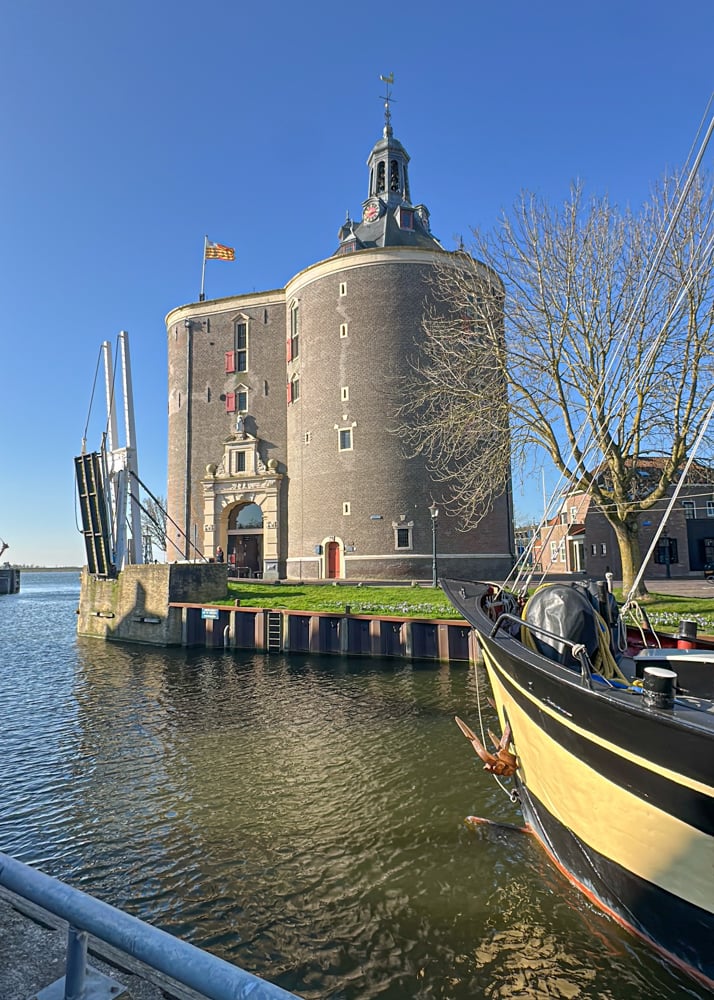
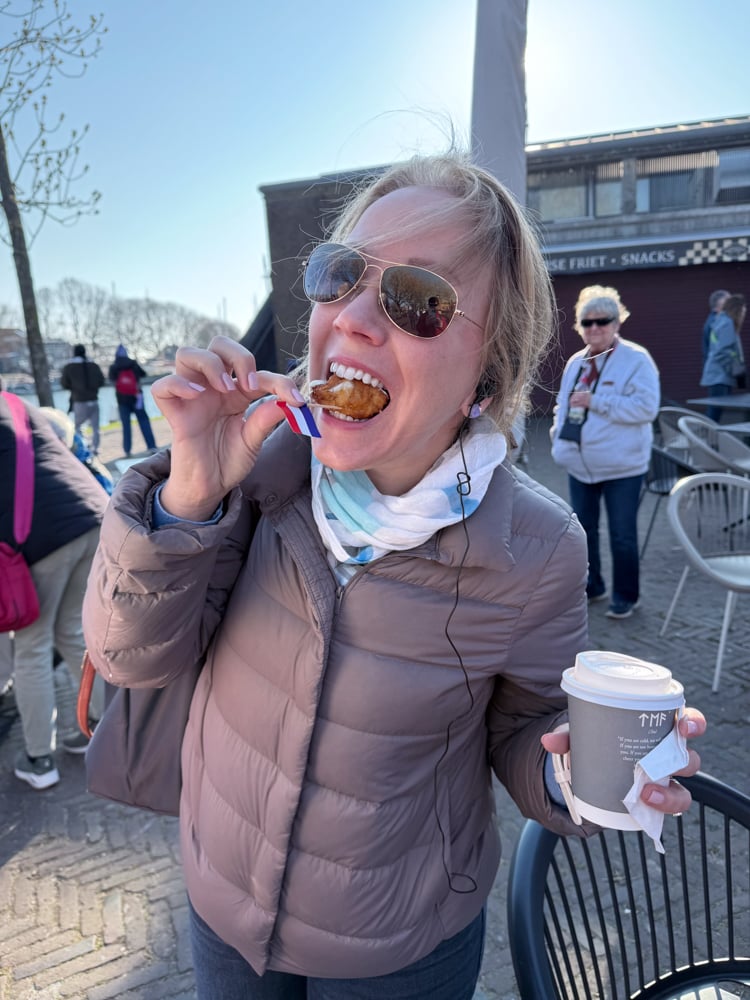
We tried fried pollock near the harbor (I drew the line at the pickled herring), wandered into a local bakery, and poked around a few little shops. At one point Pete and I looked at each other and agreed that we felt more like locals than travelers.
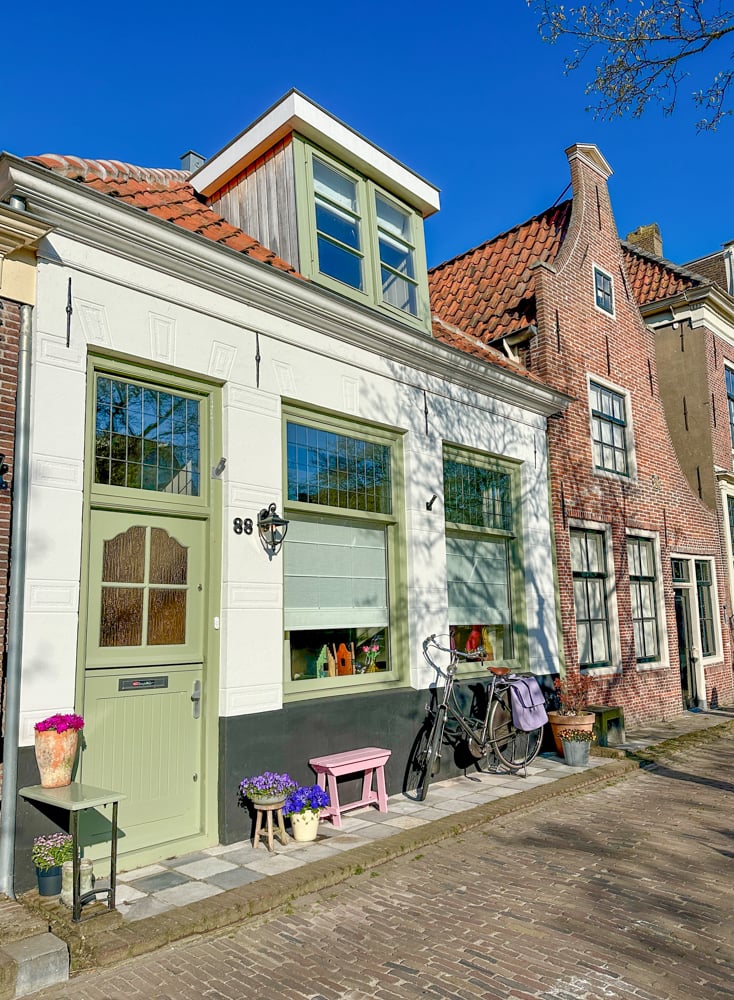
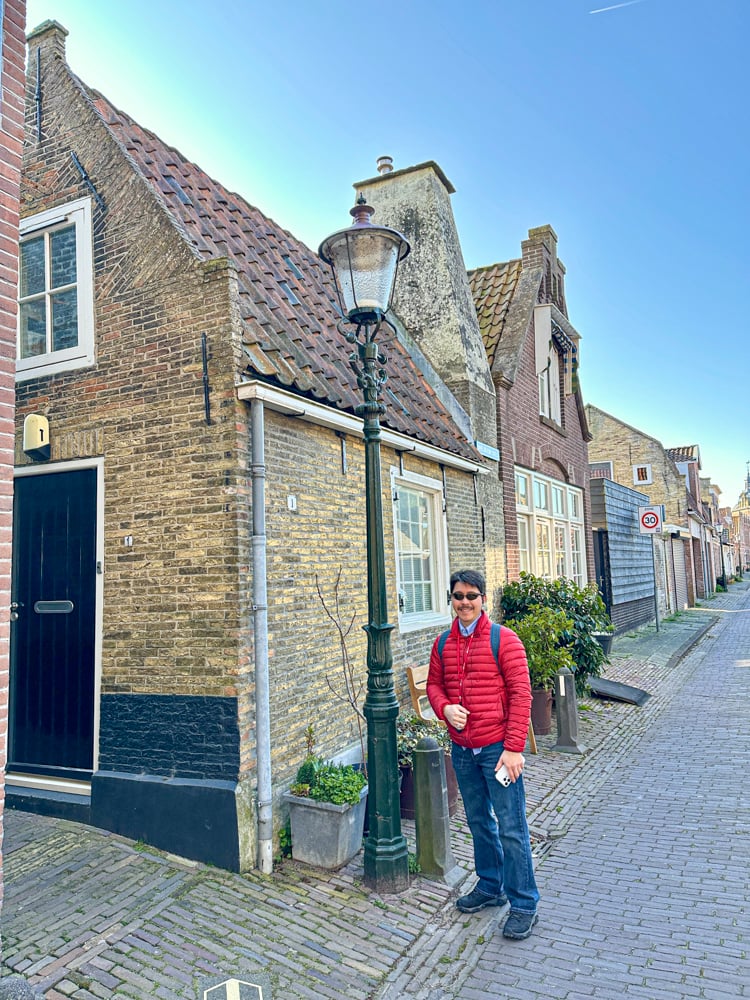
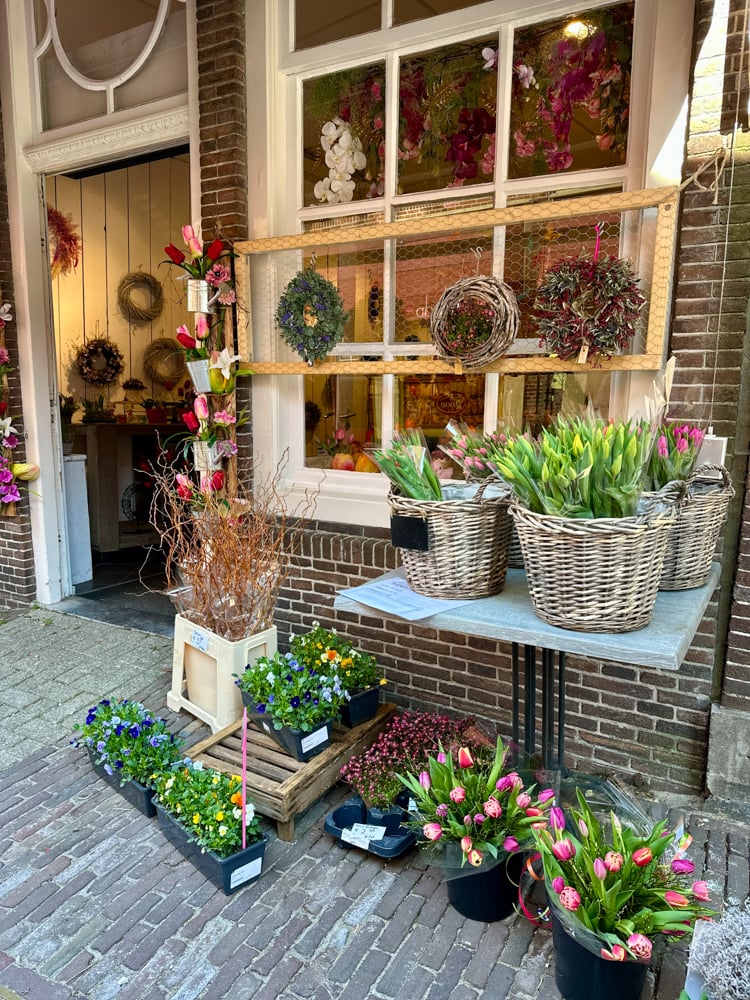
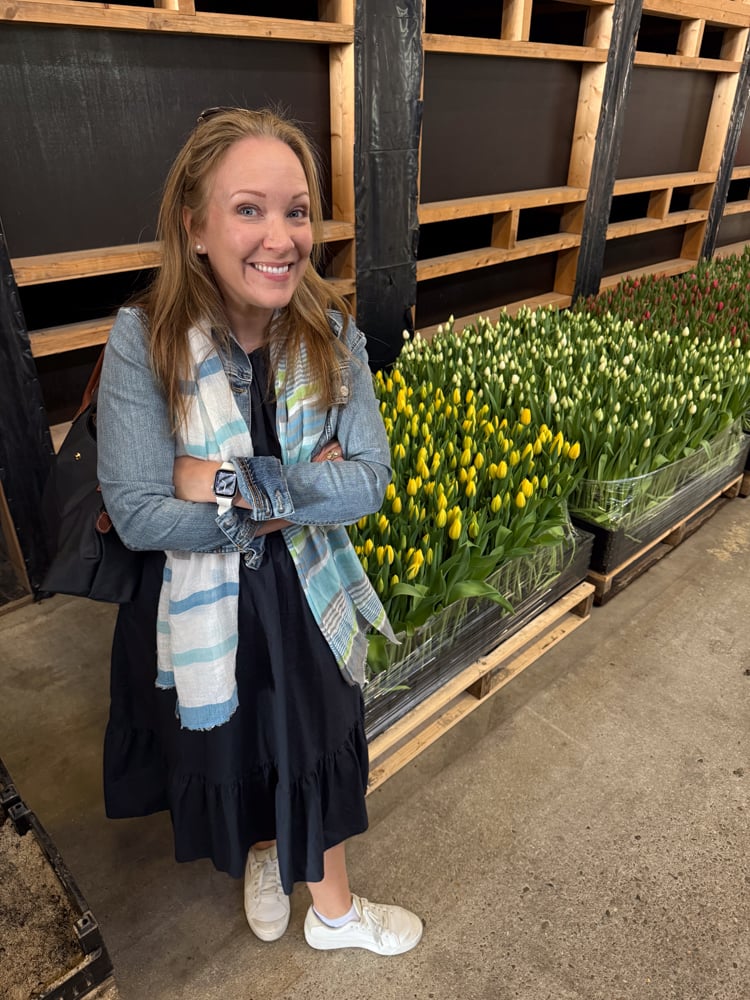
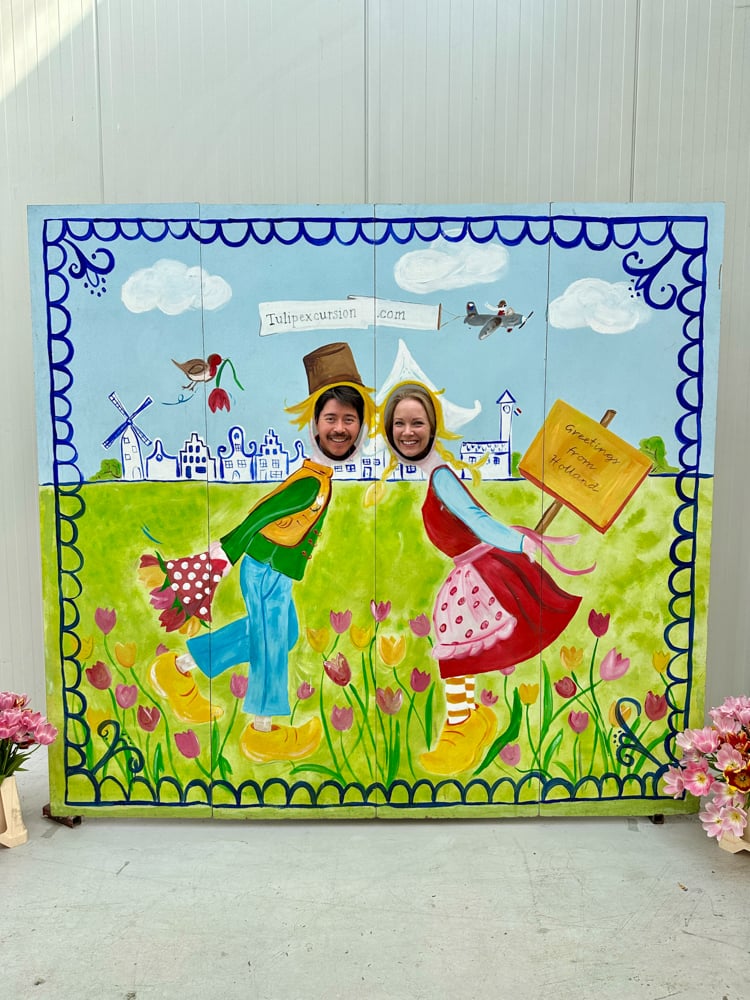
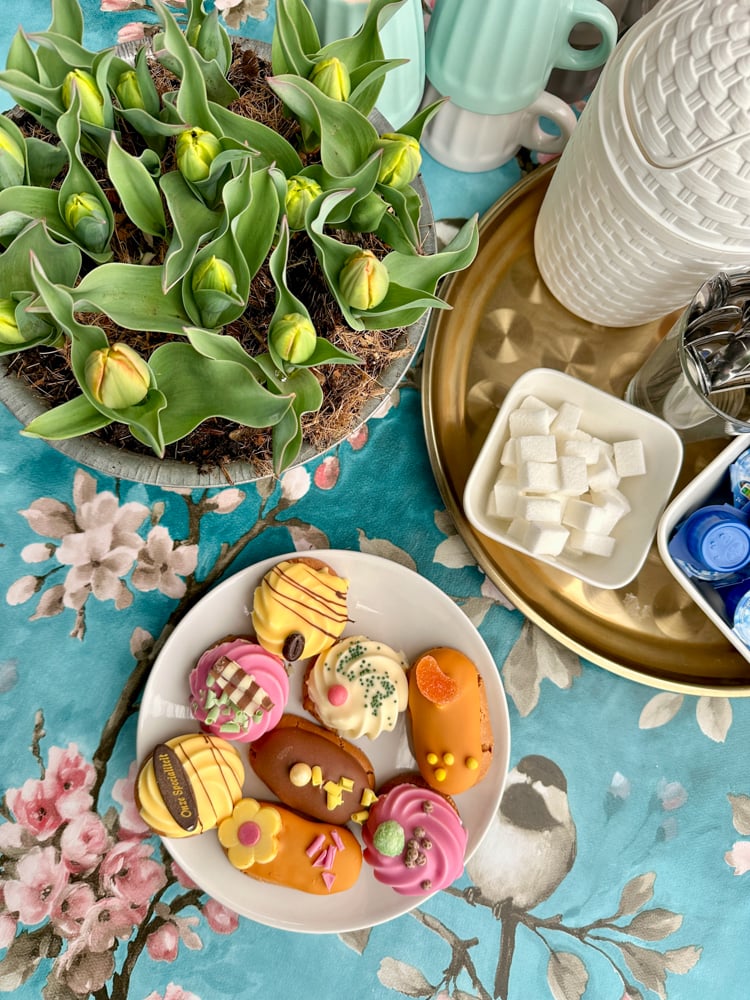
In the afternoon, we joined the optional tulip farm excursion which included coffee and cookies. Sandra, the farmer’s wife, was full of wonderful stories and very practical advice. I was a little bummed that the tulip fields were bare, but we did learn a lot and we had Keukenhof to look forward to (more on that below!) Her best tip: never buy tulip bulbs from a tourist shop. They won’t bloom. Buy them from a farm, or wait until you find a proper garden center.
Kinderdijk: The UNESCO Stop That Lives Up to the Hype
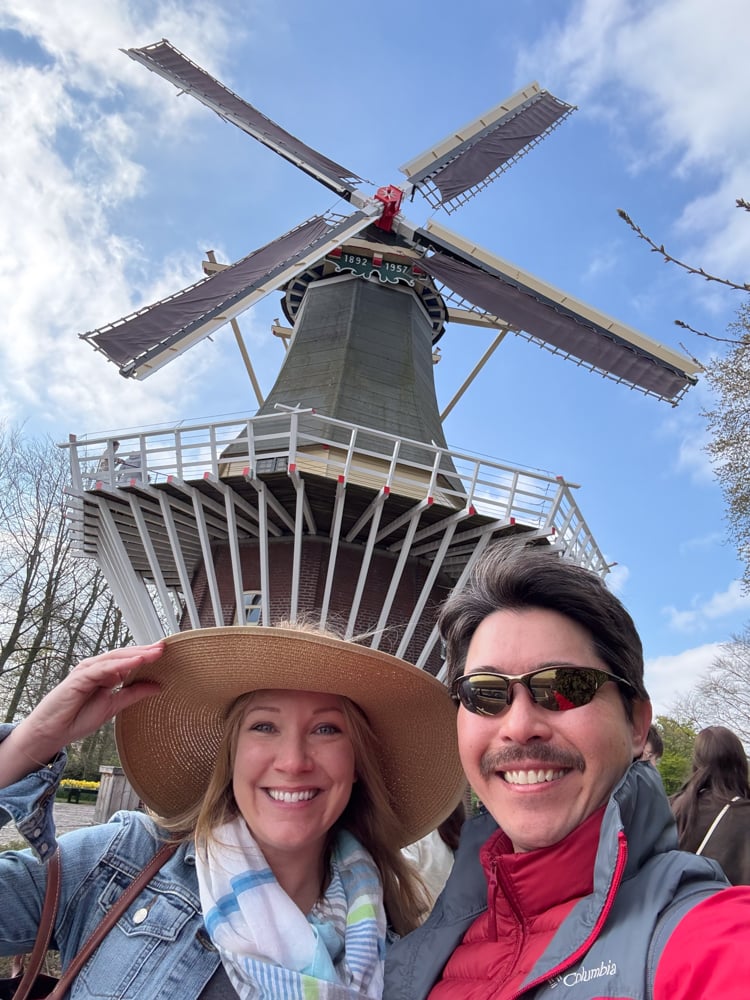
If you’ve ever seen a photo of the Netherlands and it involved windmills reflected in still water, there’s a good chance it was taken at Kinderdijk. There are nineteen traditional windmills, built in the 18th century, and restored and preserved exactly as they once were. On the Viking Tulips and Windmills cruise, the ship docks right there next to Kinderdijk, and we walked off the gangway and directly into the landscape.
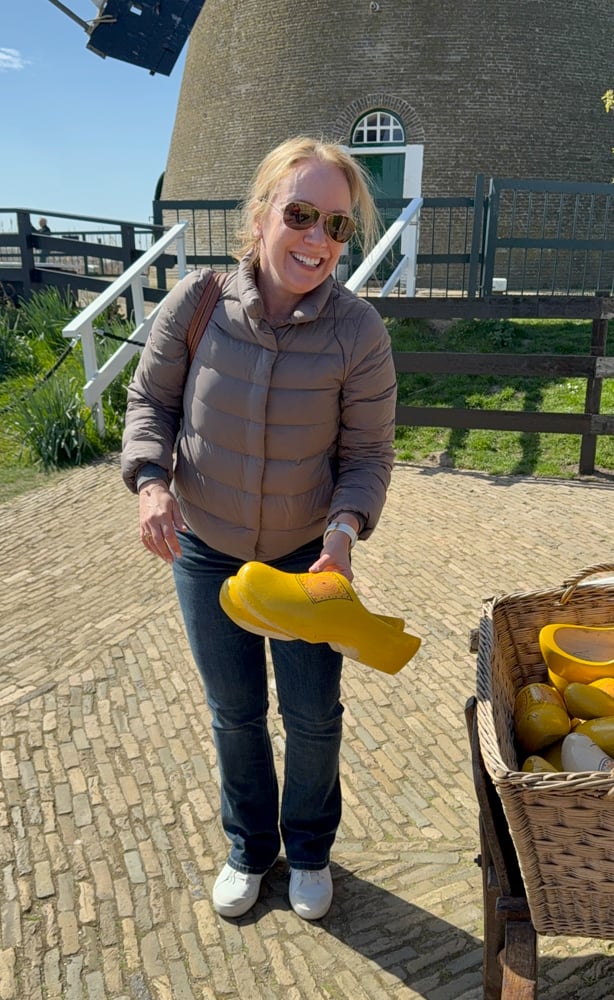
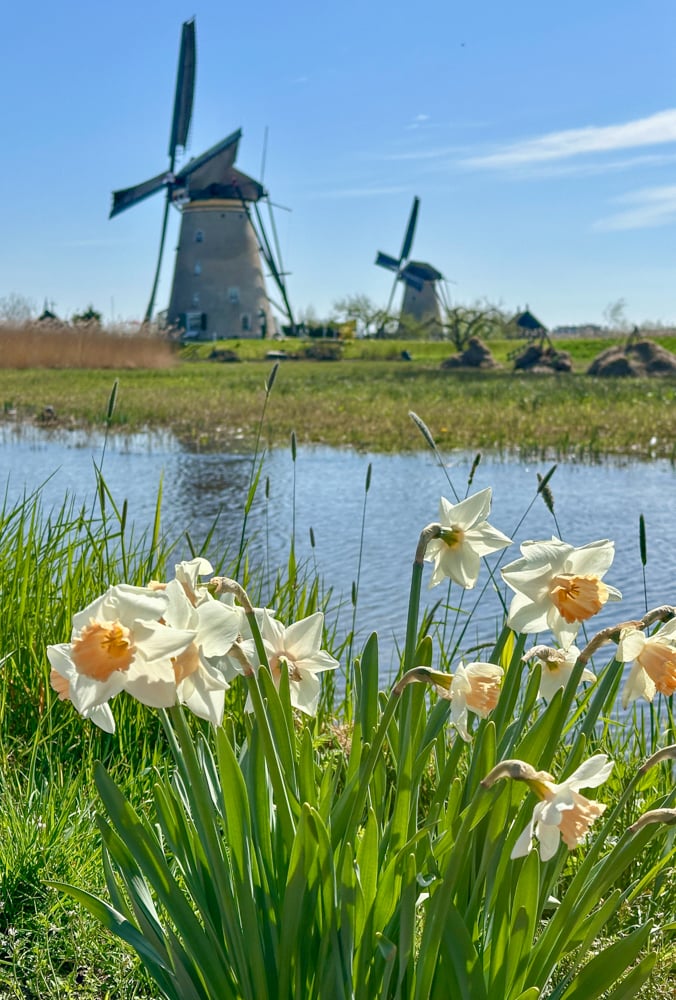
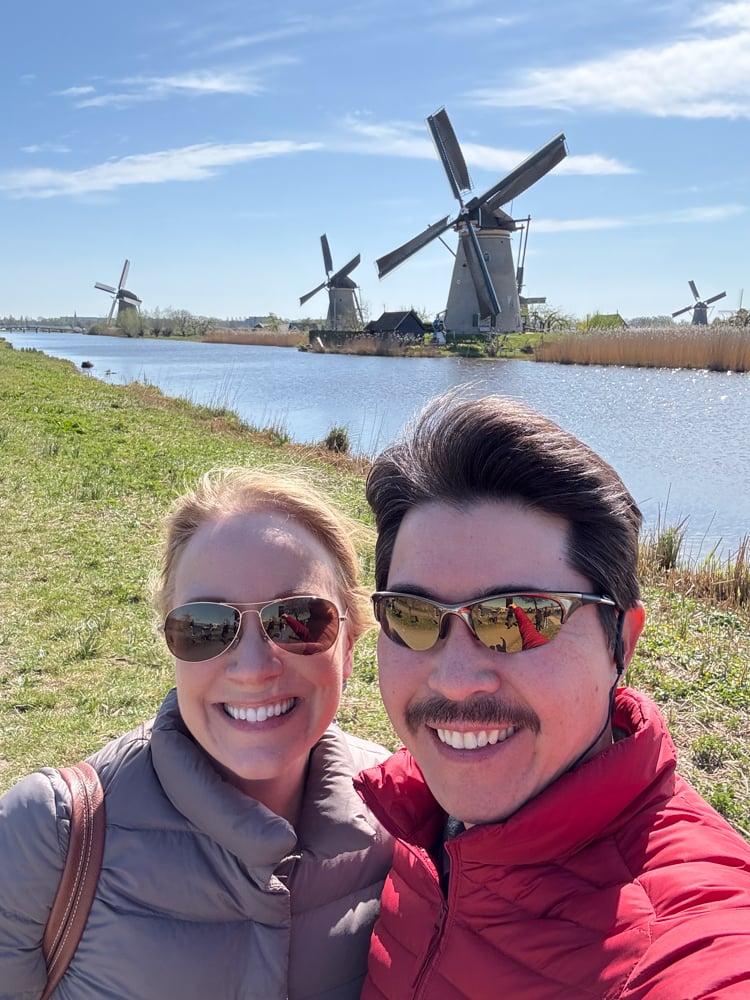
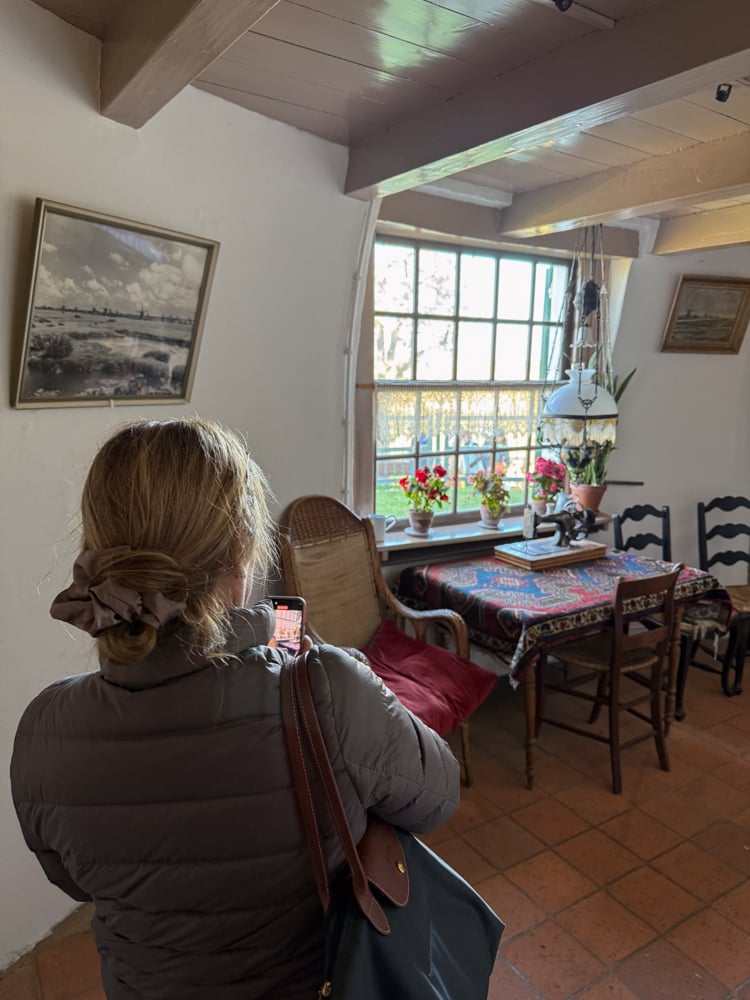
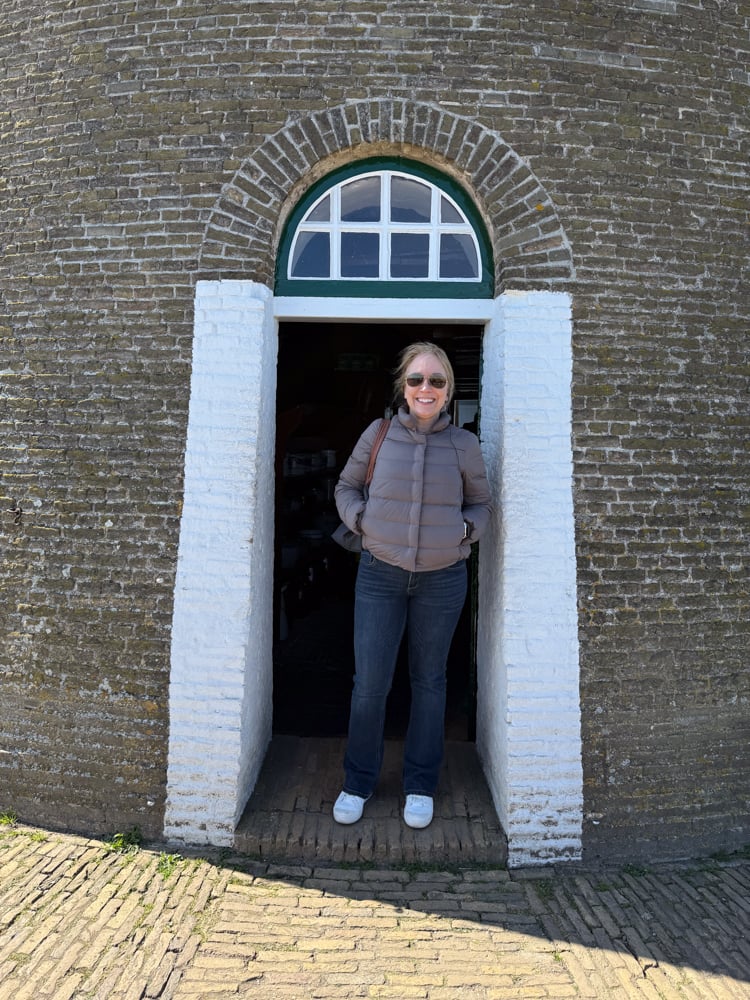
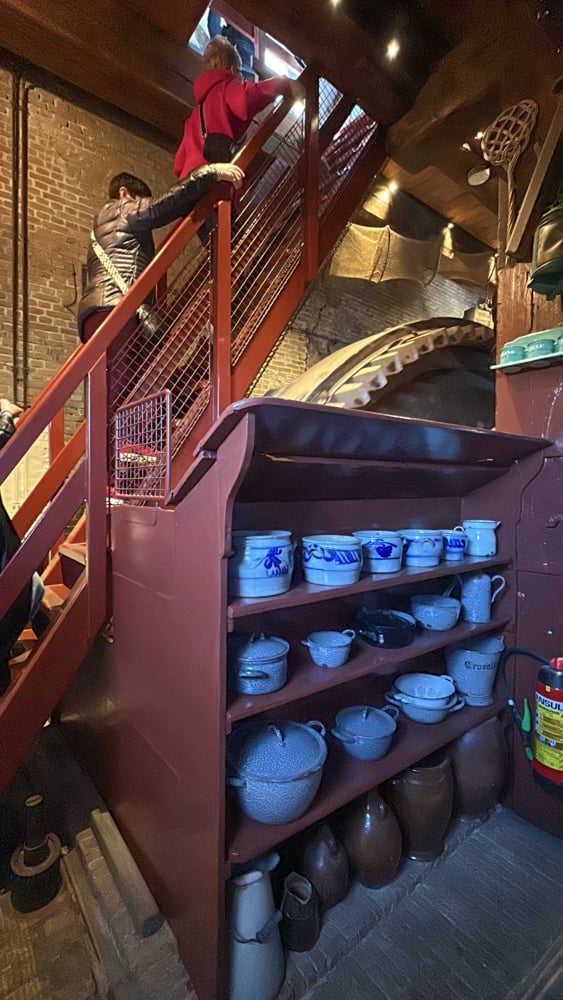
Pete and I had actually visited Kinderdijk about a decade ago, and I’m happy to report the site has only gotten better. There’s been thoughtful restoration work, and this time we got to go inside one of the windmills. That’s something we couldn’t do on our previous trip. Climbing the narrow wooden ladders, seeing the tiny sleeping cubby tucked against the wall, the dining table, the fireplace … it was like stepping into a completely different century.
Here’s a fun fact … these windmills can reach speeds of up to 100 mph, but can be stopped in just 15 seconds. They pump 50,000 liters of water per minute, and they do it without electricity. And the millers who operate them? They actually live in the windmills, paying just $400 a month to the foundation. We spotted one mowing his lawn as we walked by. Living in a windmill and mowing the lawn like it’s perfectly normal day in Holland.
Nijmegen: Mint Tea, Apple Cake, and a Little Thrifting
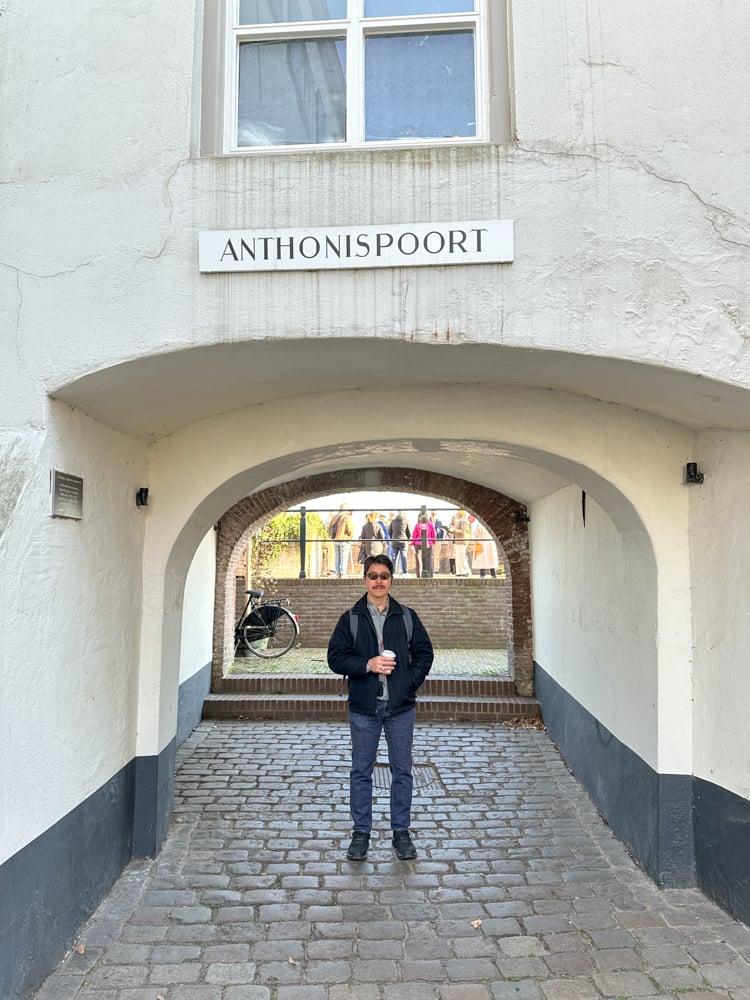
Nijmegen is often called the oldest city in the Netherlands, and our morning walking tour was a great introduction to its streets and squares. But my favorite part of the day came after, when Pete and I had time to wander on our own.
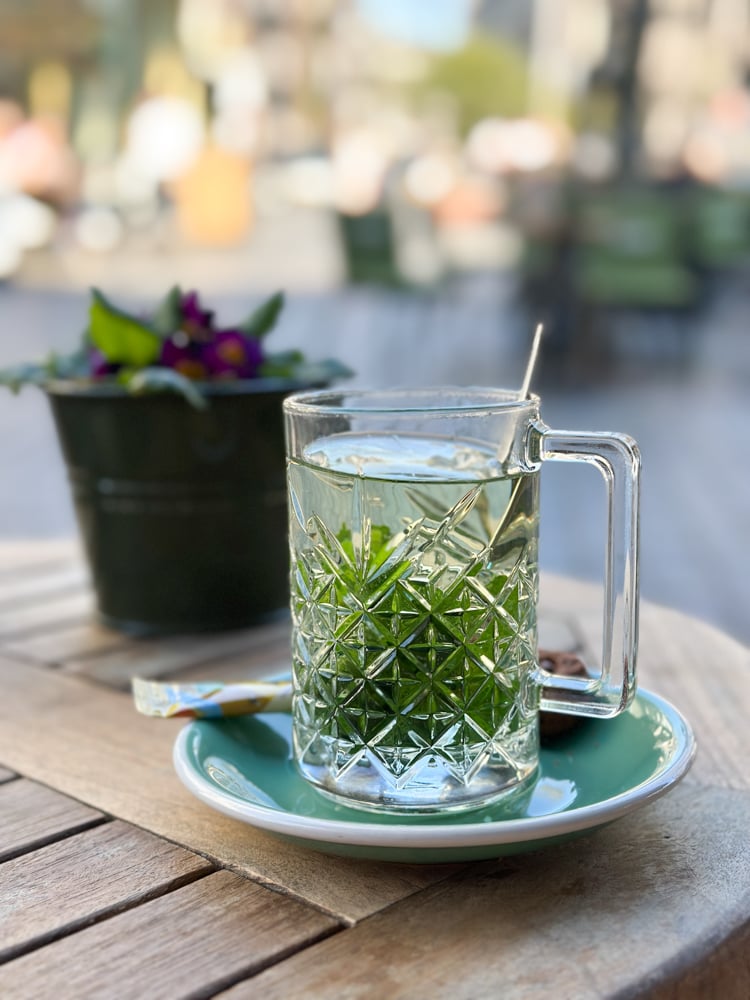
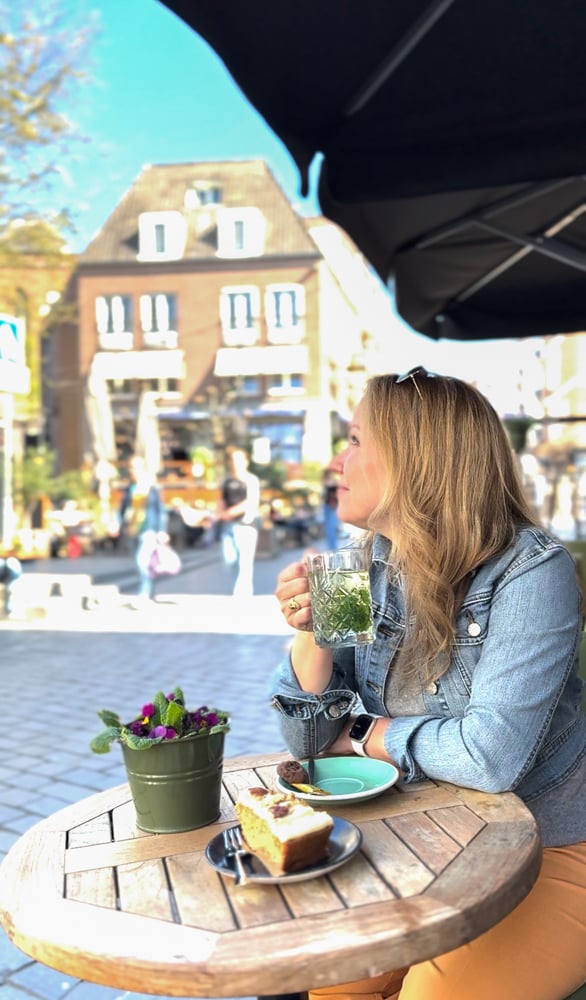
We ducked into a café for fresh mint tea, the Dutch way: a tall glass stuffed with fresh mint leaves and hot water, nothing more. Paired with a slice of warm Dutch apple cake, it was exactly the kind of simple, cozy break that makes a travel day feel unhurried.
Then we moseyed through the streets and did some shopping. Browsing shops abroad is one of my favorite ways to get a feel for a place, and Nijmegen was lovely. There was a kitchen store Pete had a hard time coaxing me to leave, and we also found a thrift shop on the way back to the dock where I picked up a ceramic Dutch souvenir shoe for just a euro, and a perfectly sized pair of coffee cups. It’s the kind of afternoon that never shows up on an itinerary but ends up being one of the moments you remember most.
Antwerp: Belgian Food, Beautiful City
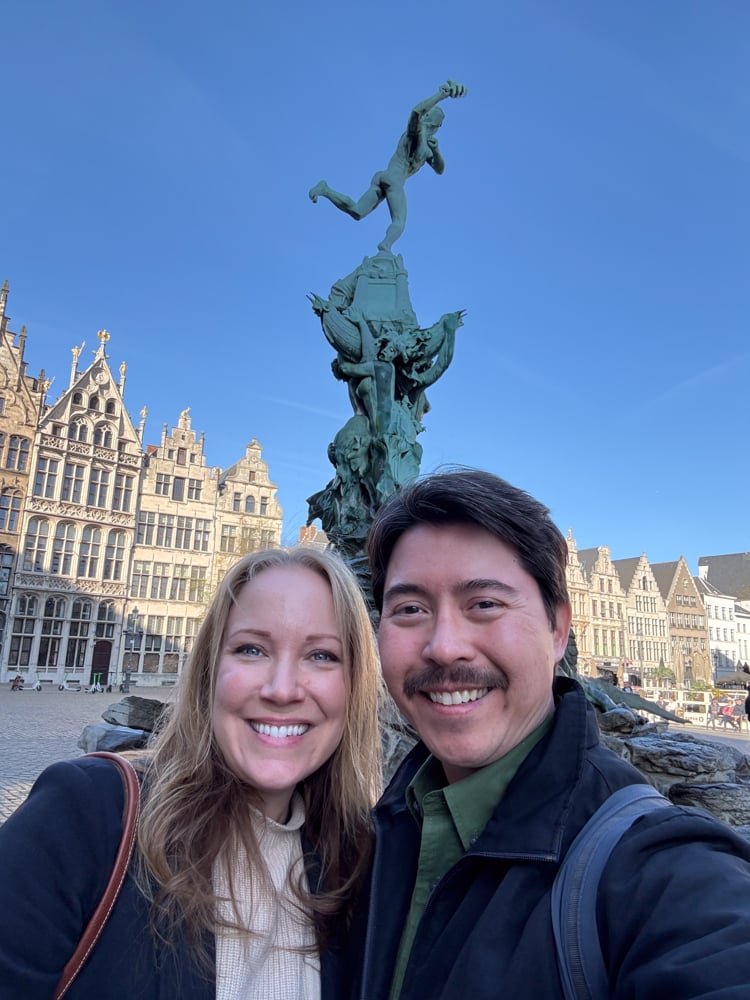
Day six brought us across the border into Belgium, a new country for both Pete and me. Antwerp is gorgeous in a very different way from the Dutch towns with grander architecture, a more urban energy, and an incredible cathedral anchoring the old town square.
But let’s be honest, the real draw for me was the afternoon food tour!
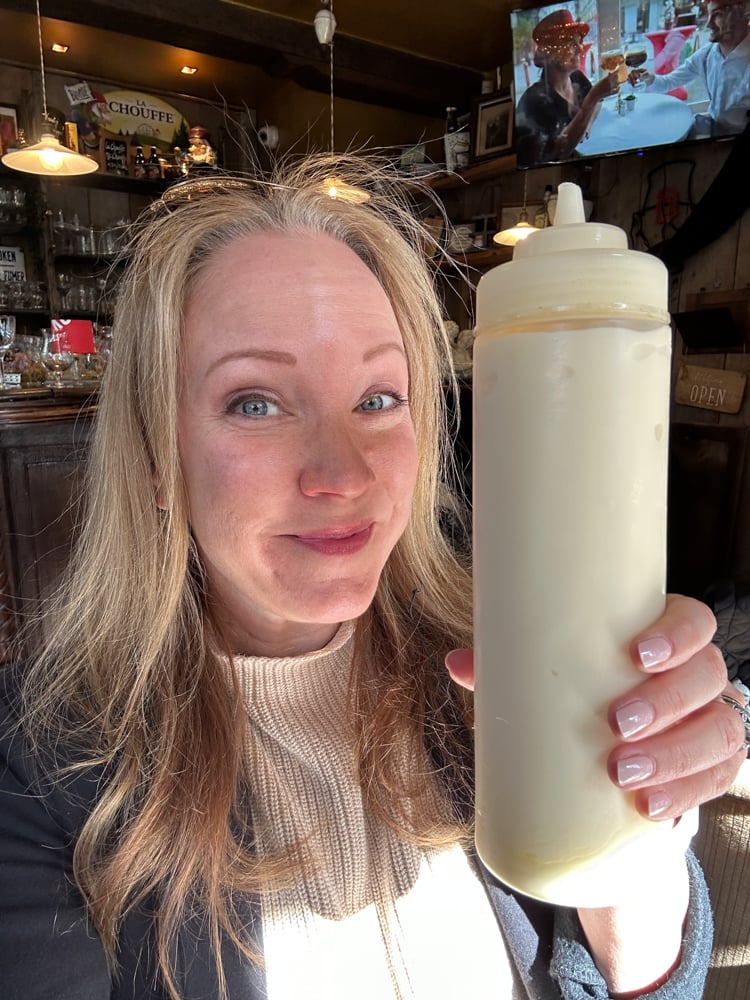
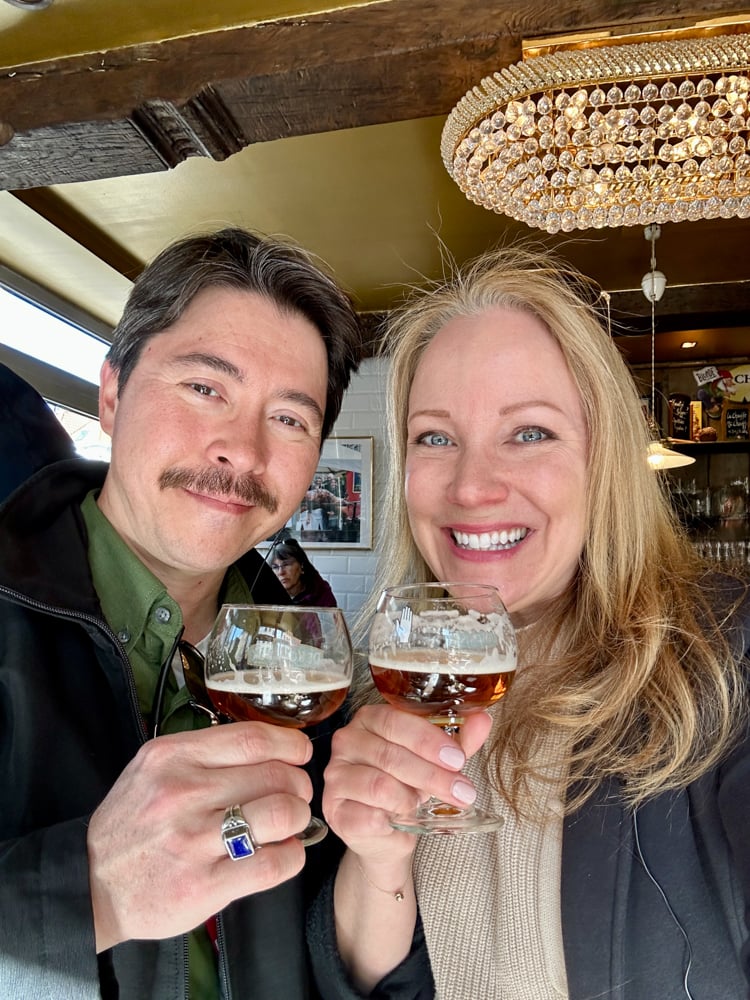
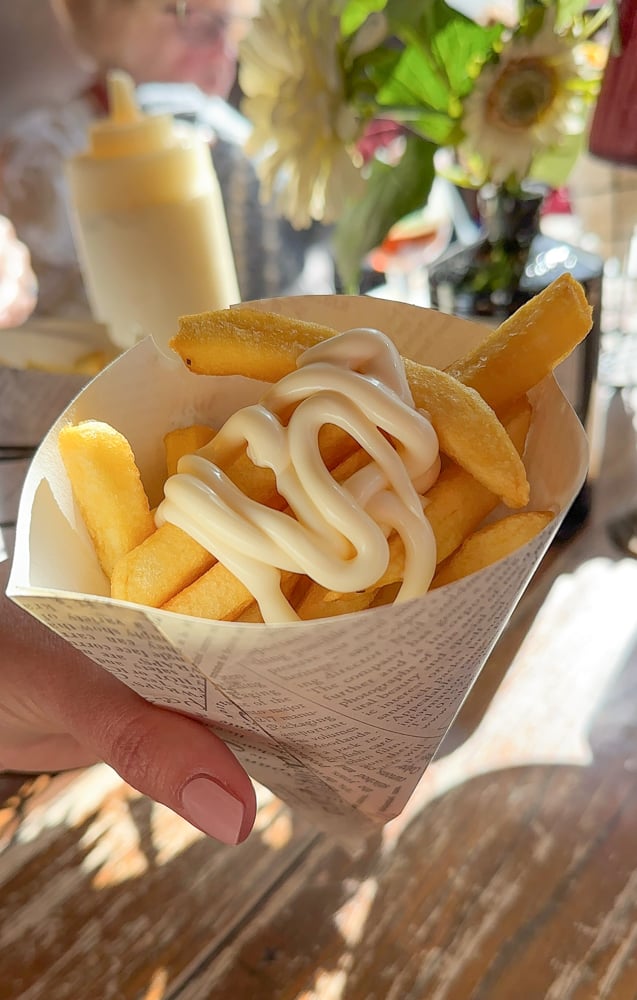
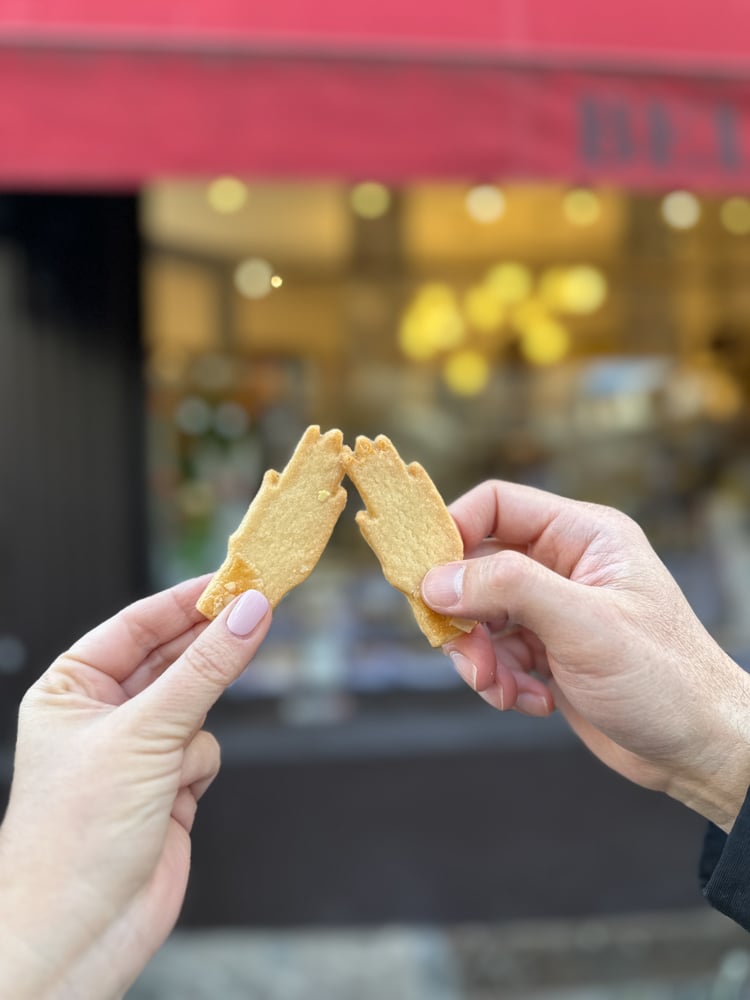
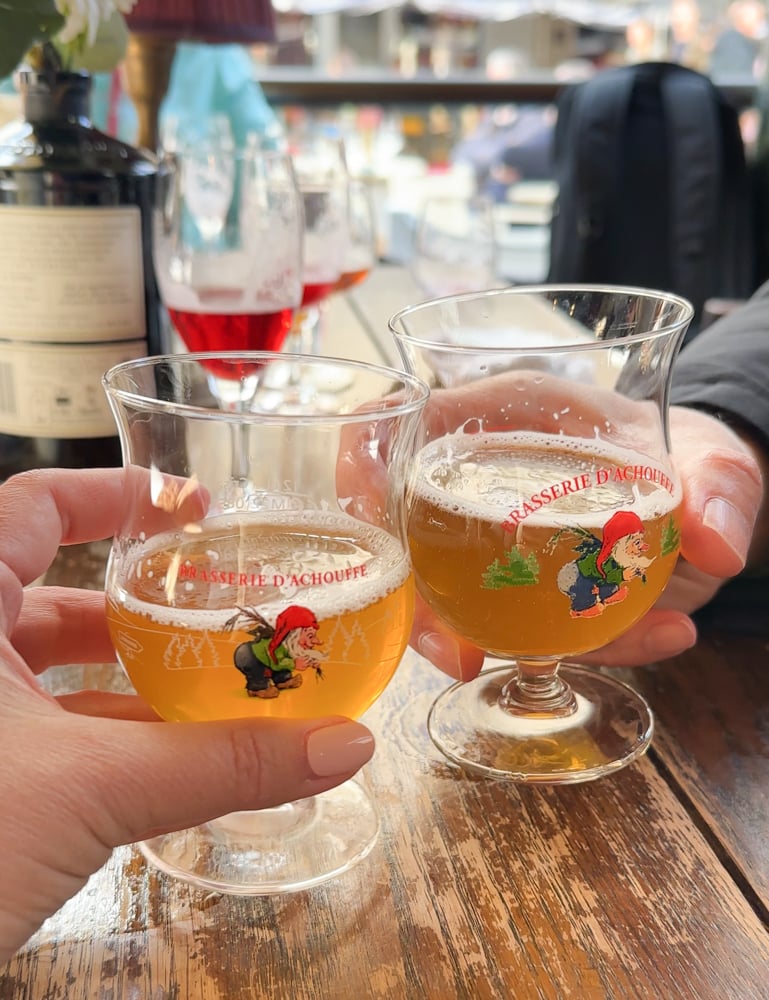
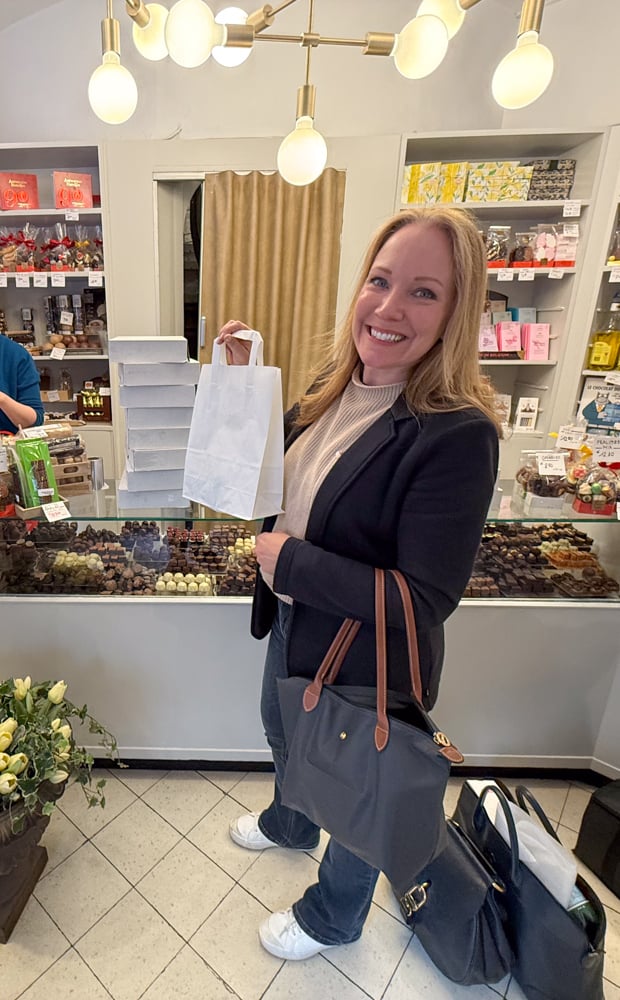
Belgian fries with mayonnaise. A proper Belgian beer tasting. Chocolates so good I’m still thinking about them. And waffles warm, golden, and dusted with powdered sugar. The food tour was the perfect balance of walking just enough to justify eating everything. Our cruise director Emilie (who lives in Antwerp) sent us to Leonidas for chocolates to bring home, and that tip alone was worth its weight in pralines.
Middelburg & Veere: Storybook Towns with Real History
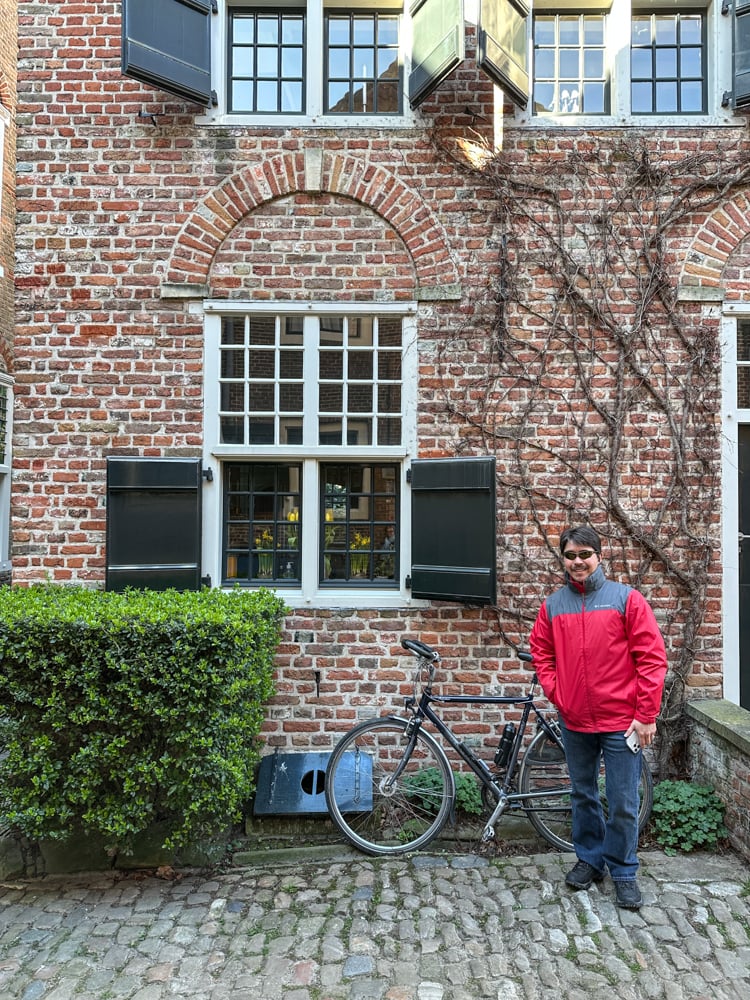
Middelburg reminded me a bit of Enkhuizen as it had that same fairy-tale quality, charming streets, locals going about their days against a backdrop of centuries-old buildings. But it also has some unexpectedly moving history: the city has a connection to President Roosevelt and the Four Freedoms Awards, honoring individuals who’ve championed freedom of speech, freedom of worship, freedom from want, and freedom from fear. There’s a photo display commemorating this connection that’s worth seeking out.
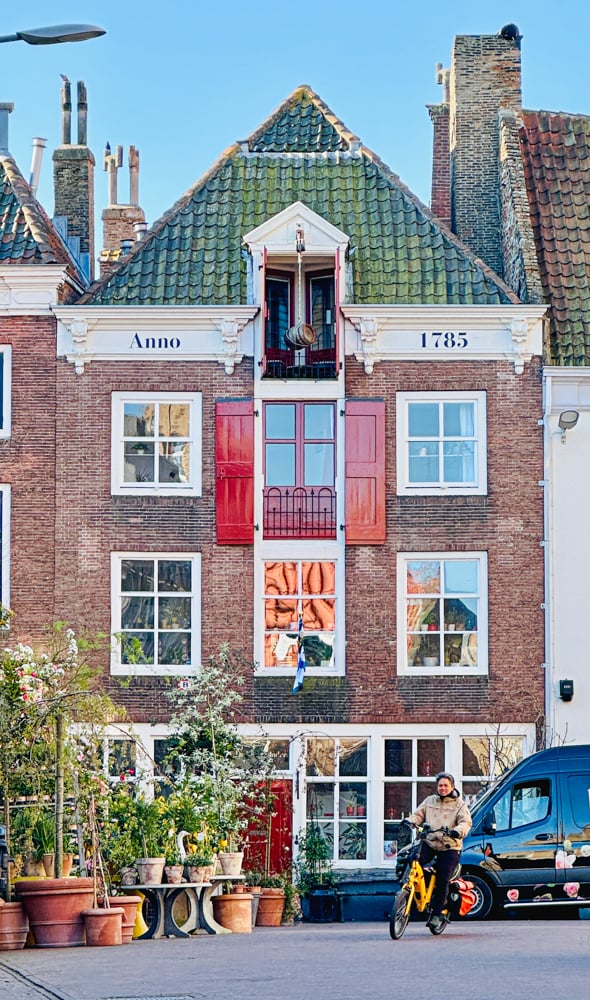
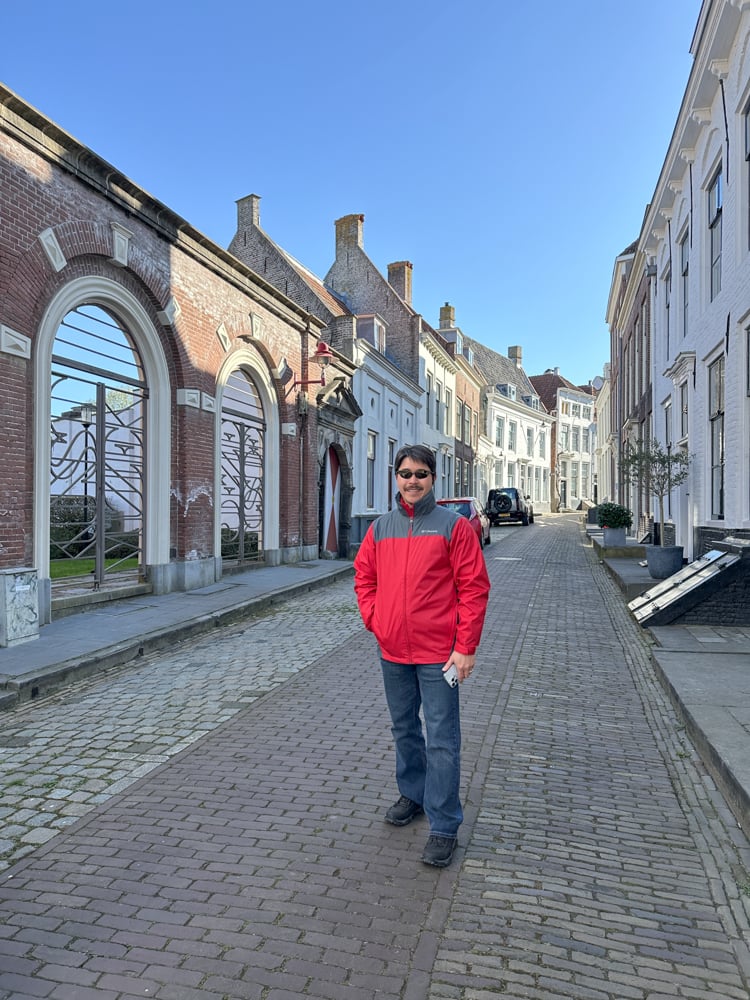
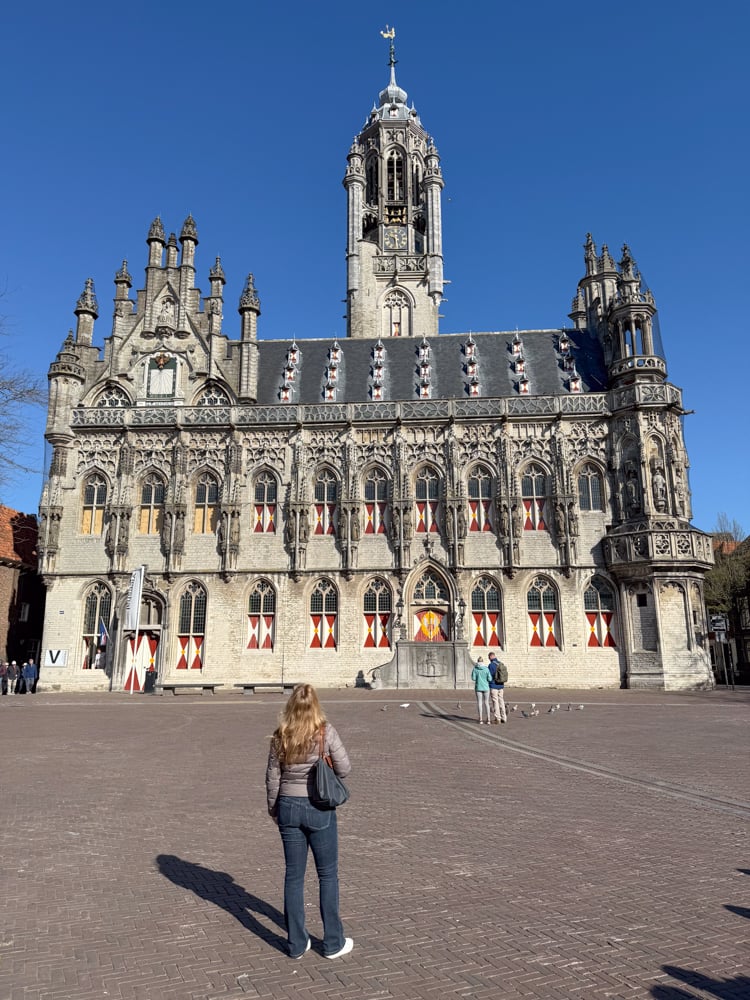
Veere, a short bus ride away, turned out to have an unexpected claim to fame: strong historic ties to Scotland, dating back to the wool trade. The harbor was picturesque in a seaside vacation way that felt different from the inland towns, and I loved spotting family names inscribed above doorways, a tradition that predates Napoleon’s requirement for house numbers.
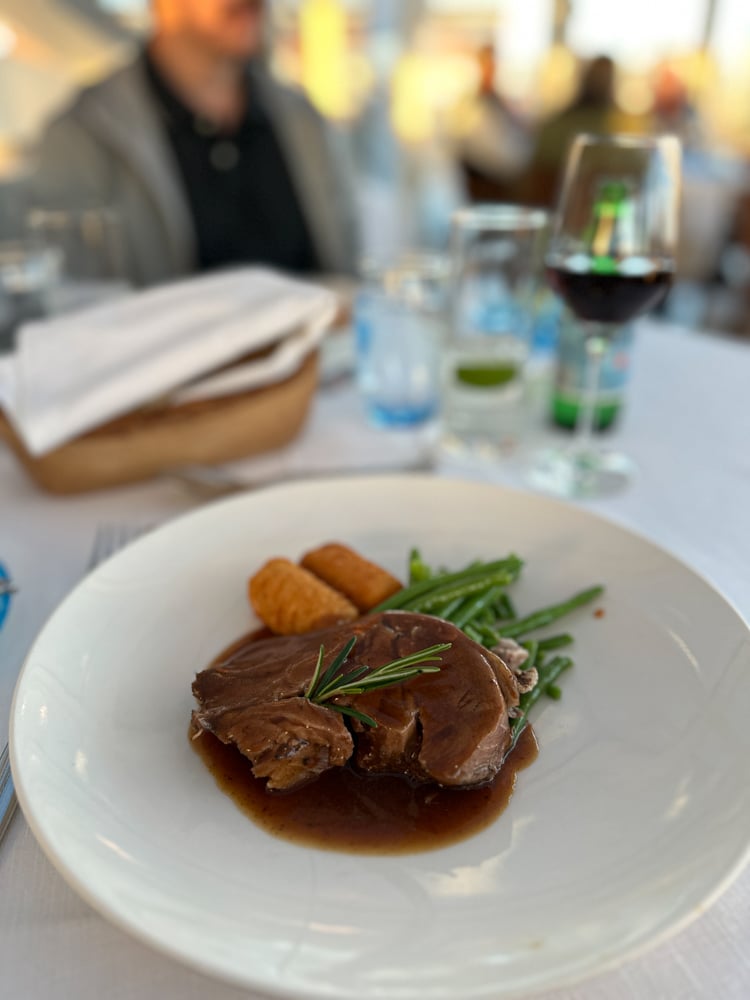
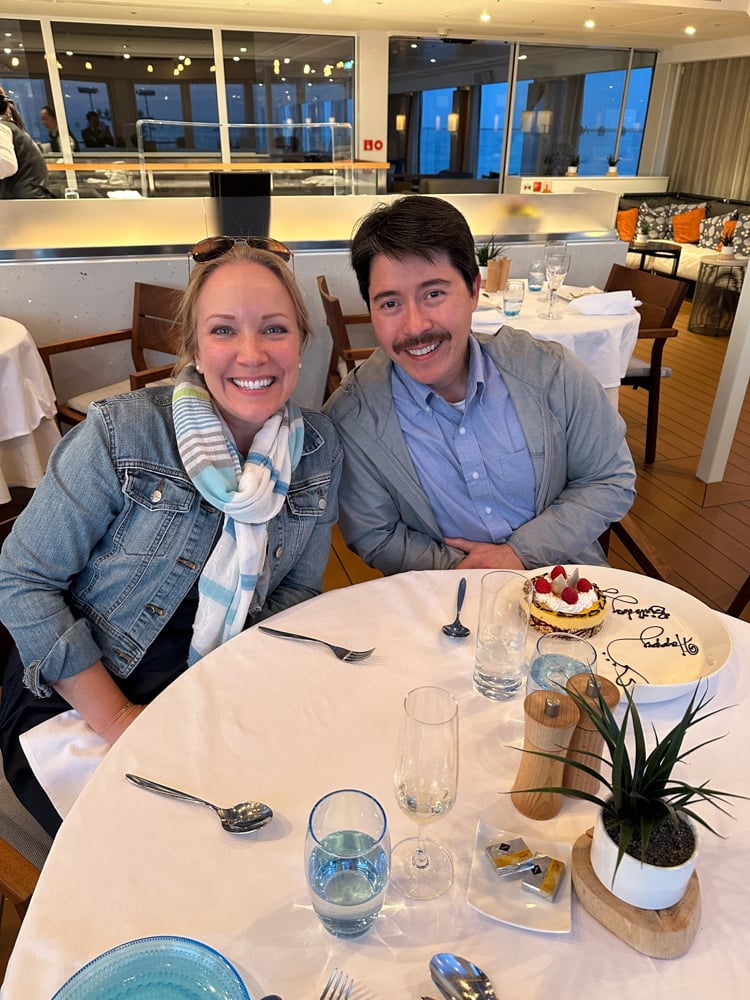
That evening back on the ship, we had the “Taste of Holland” themed dinner, which gave us a chance to try Dutch specialties and cheeses we’d been curious about all week. Absolutely the right way to spend a sailing night.
Zierikzee: Poffertjes and a Flood Museum
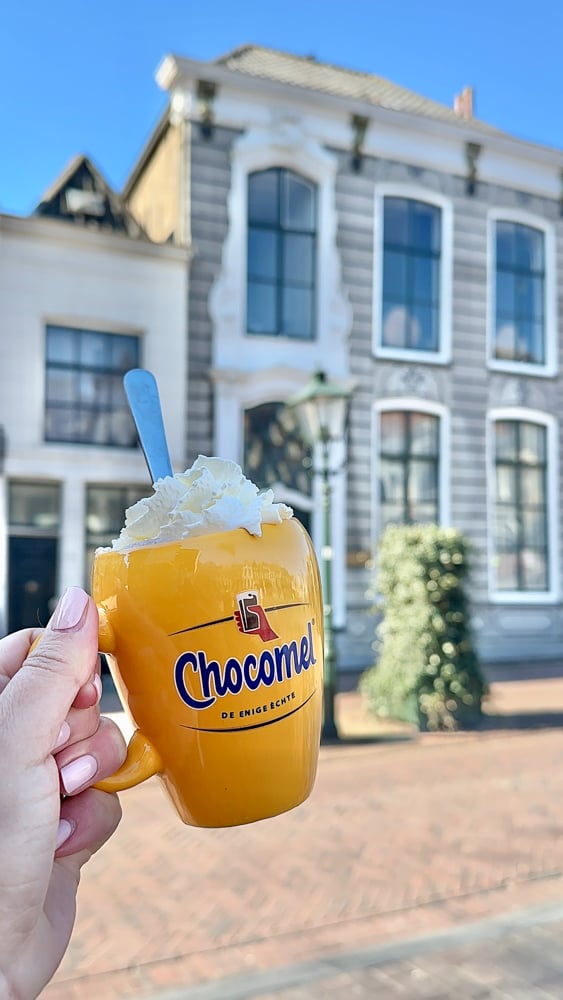
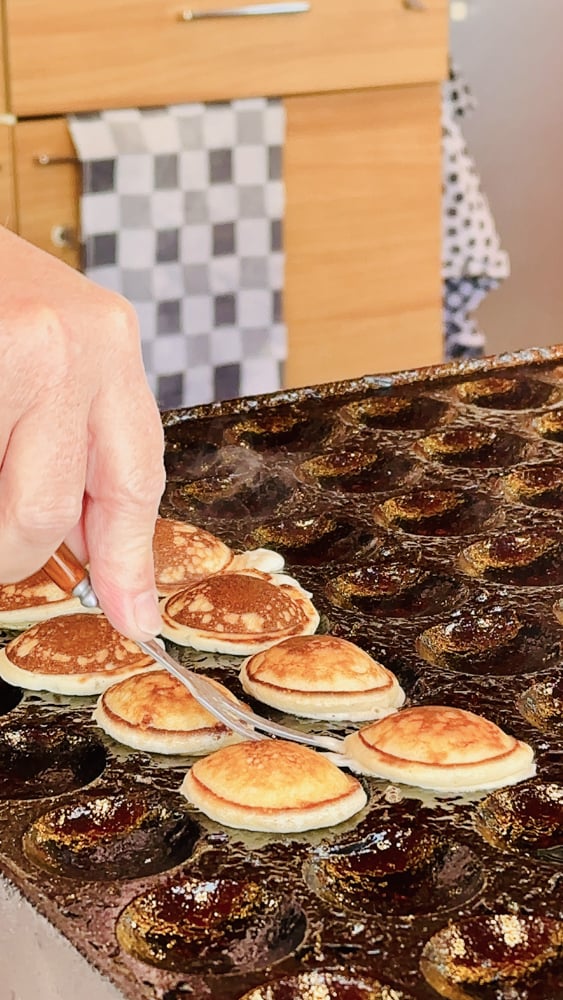
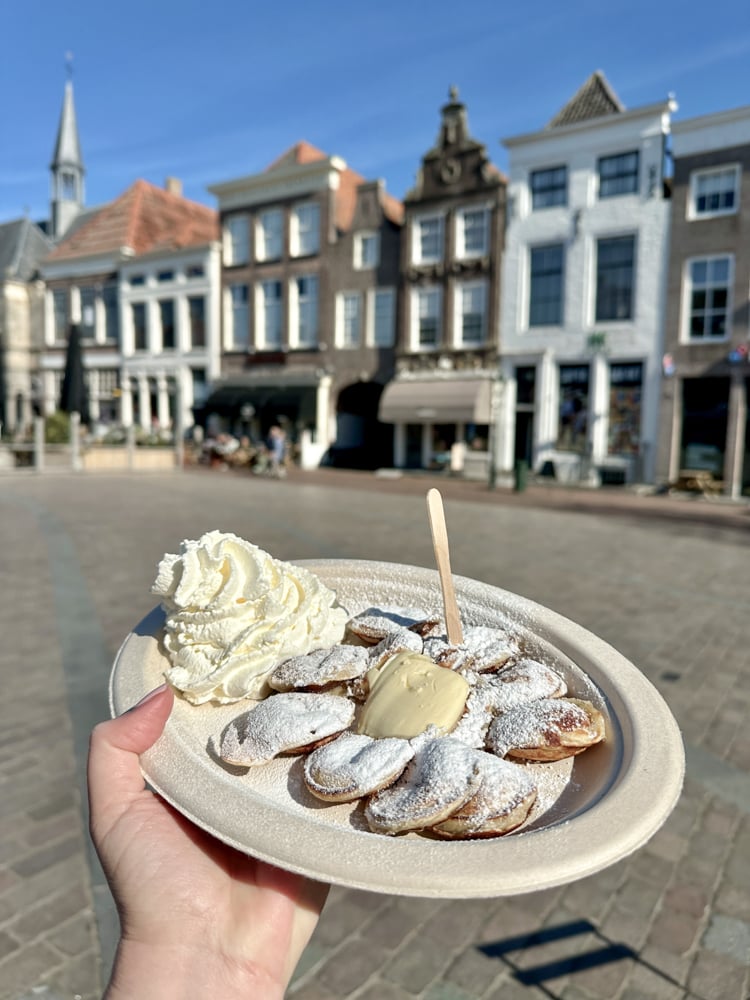
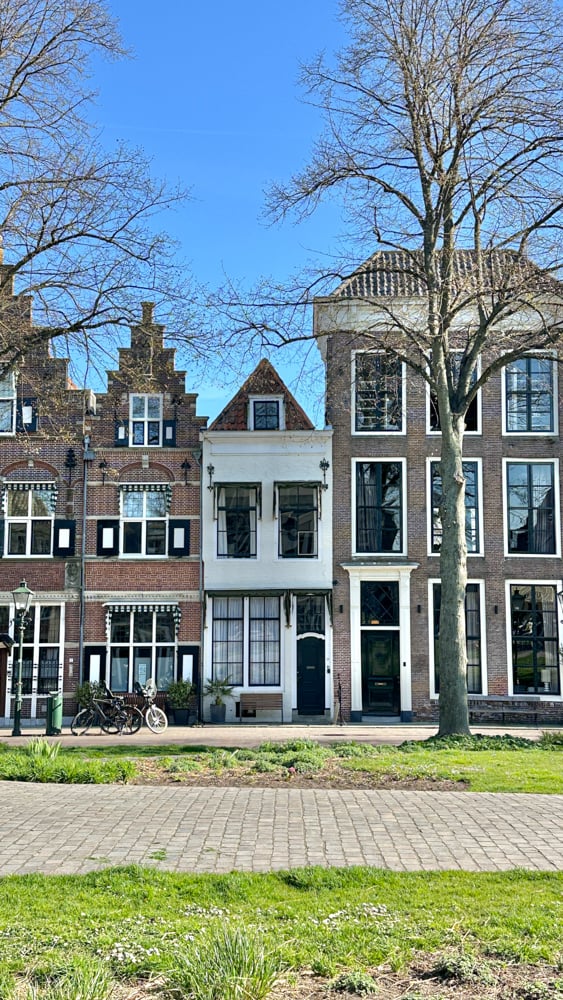
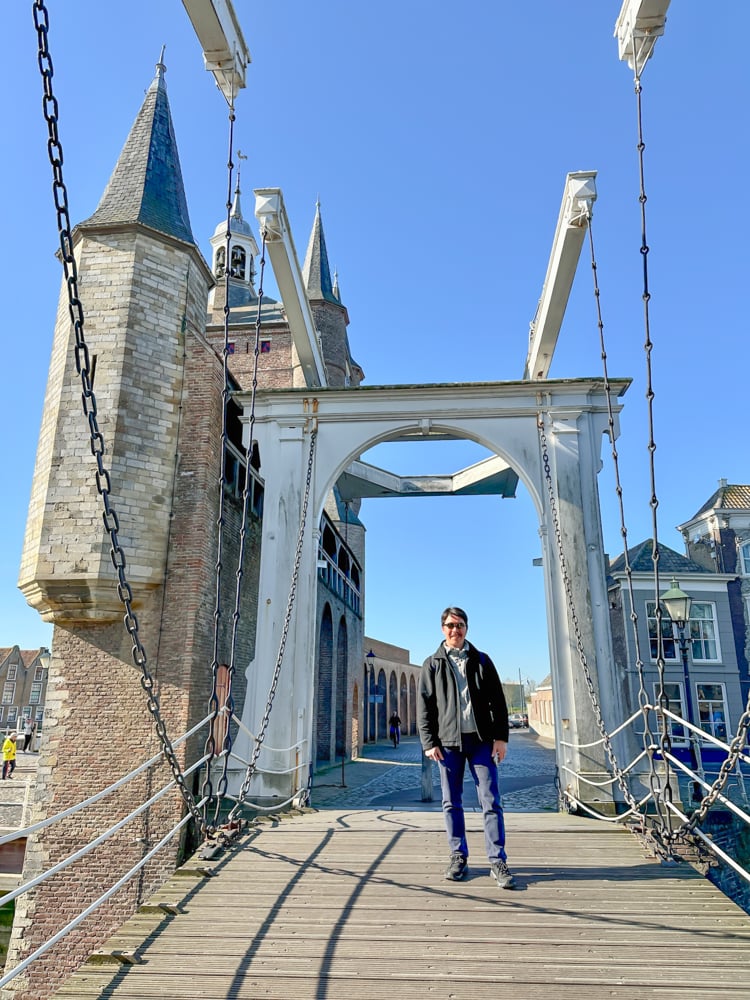
One of the quieter days on the itinerary, and one of the most unexpectedly lovely. We docked in Bruinisse and made our way to the charming harbor town of Zierikzee, where the undeniable highlight was a street vendor making poffertjes; little pillowy Dutch pancakes, dusted with powdered sugar, served hot. Such a simple thing. I ate an embarrassing number of them.
We also visited the Watersnoodmuseum, which commemorates the catastrophic 1953 North Sea flood. It’s sobering to see and it made the impressive dike systems we’d been seeing throughout the whole trip suddenly feel very important. The Netherlands’ relationship with water is unlike anything else in the world, and this museum puts it into vivid context.
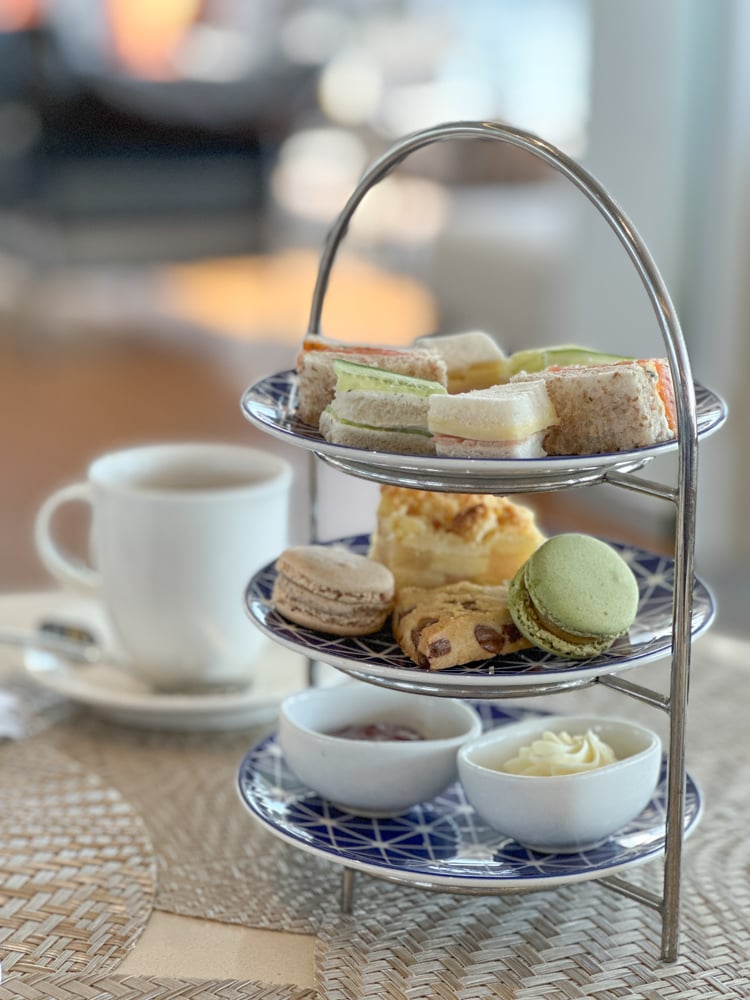
We rewarded ourselves afterward with the ship’s afternoon tea service: Jing teas, madeleines, scones, little sandwiches. The perfect ending to a full day.
Keukenhof: Saving the Best for Last
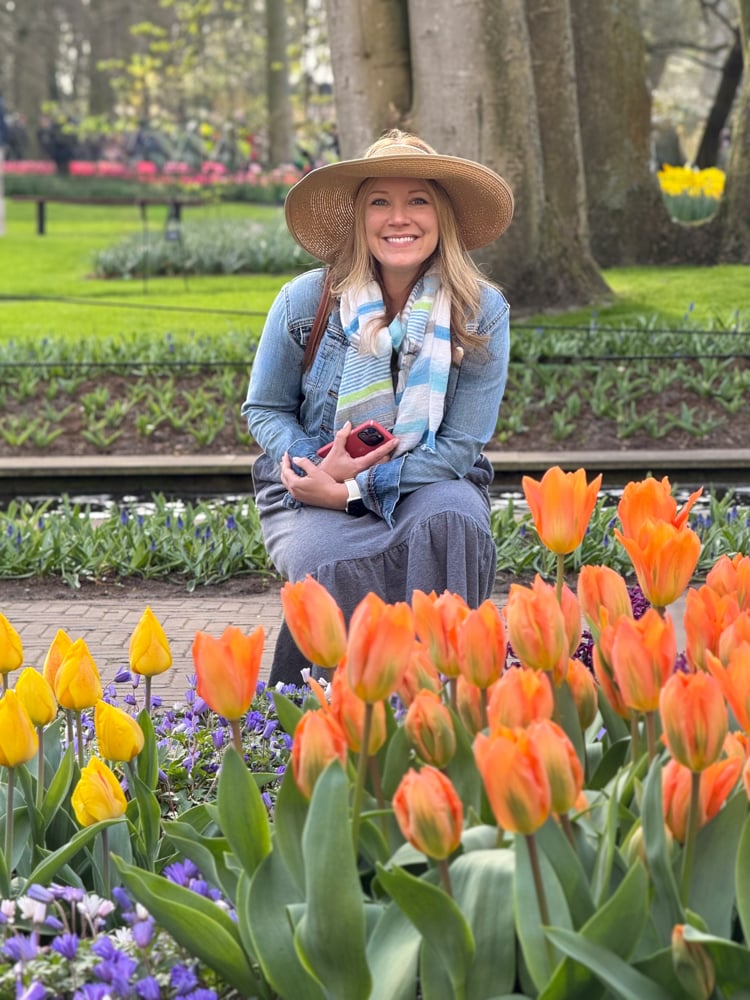
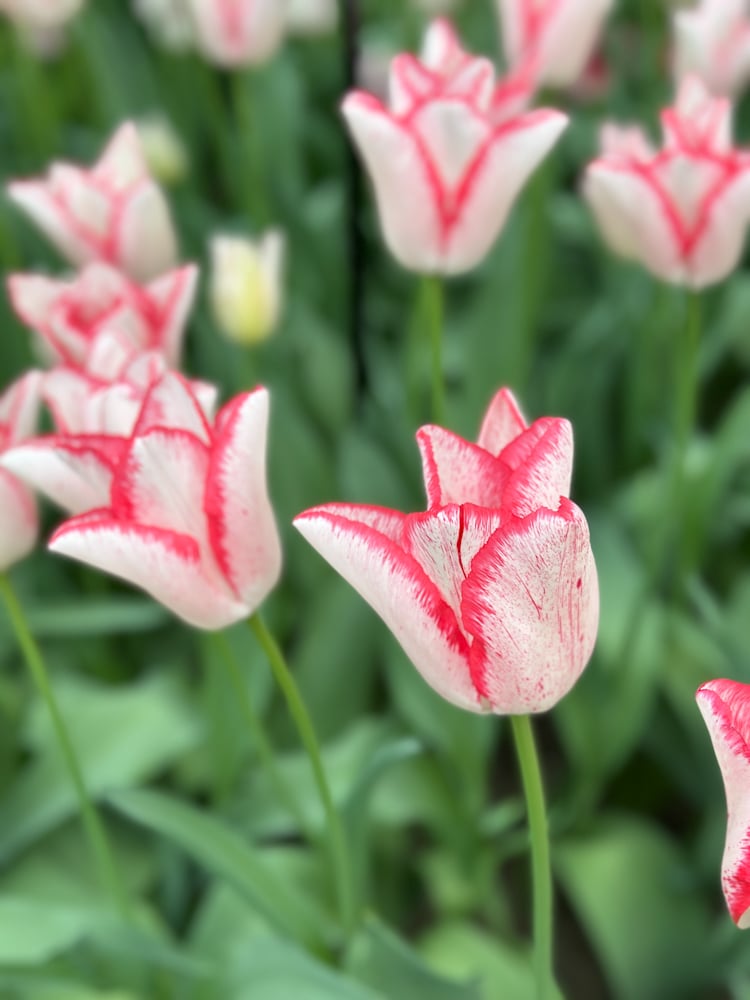
Our final day, and the one I had been anticipating since we booked the Viking tulips and windmills river cruise. Keukenhof Gardens! It’s only open for about six weeks our of the year in the spring, and there are seventy-nine acres with over seven million flower bulbs in bloom. What really impressed me is there are more than 1,600 varieties of tulips alone, planted in color combinations and patterns that genuinely qualify as art.
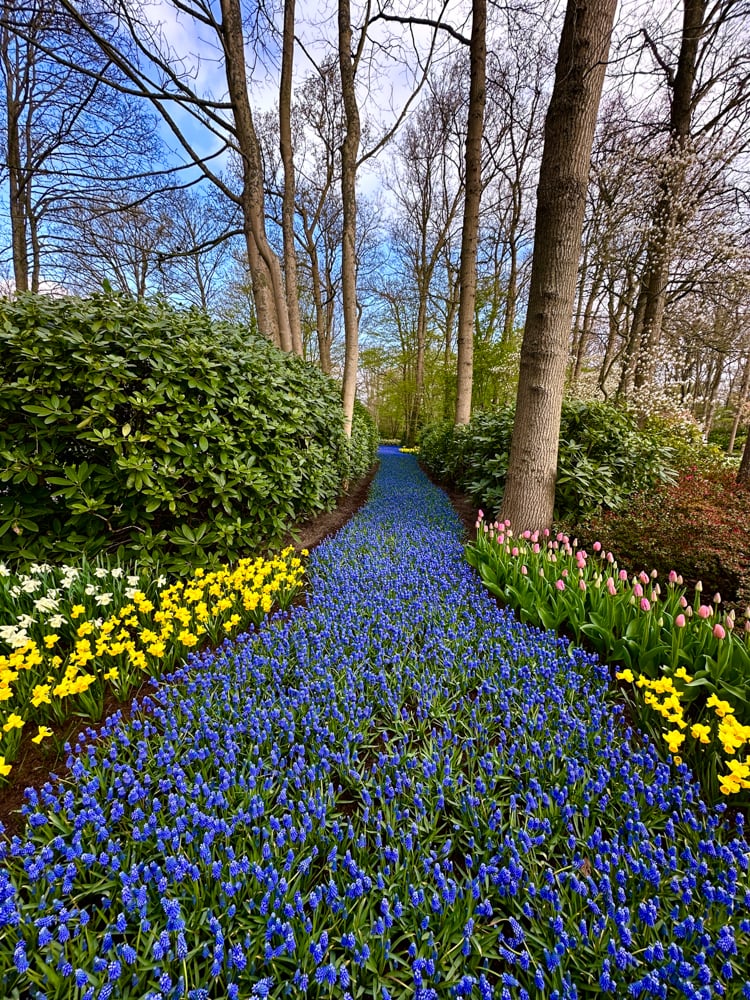
I’m going to be straightforward with you: no photo does it justice. Not even Pete’s photos, and he’s excellent. Every time you turn a corner, there’s another row of flowers more spectacular than the last. And there’s reflecting pools, little bridges arching over streams bordered in blooms, and pavilions showcasing tulip varieties in shapes I didn’t know existed.
The Willem-Alexander Pavilion was a particular favorite of ours. It houses an indoor display of tulips in forms so unusual and beautiful that we couldn’t stop taking pictures. I kept turning to Pete and saying “look at that one.”
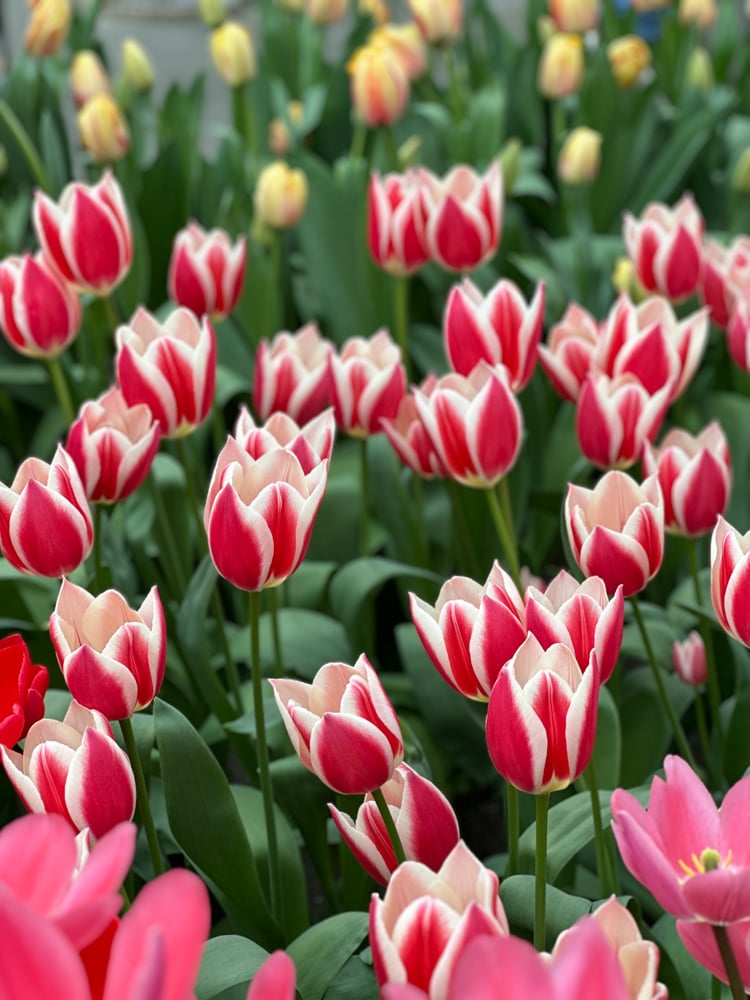
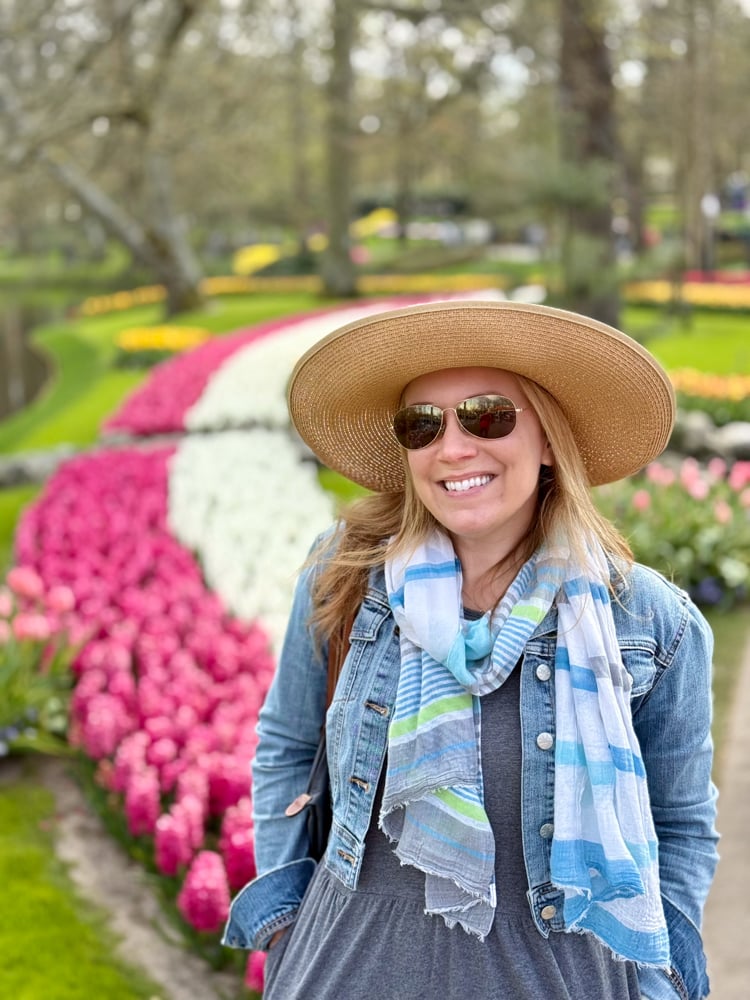
My practical advice: walk the outdoor paths first. Viking got us there first thing in the morning and by-passed the lines and crowd. But by the afternoon the crowds pick up significantly, so save the pavilions for later. Keukenhof is only open for about eight weeks each spring, which makes the whole visit feel like a privilege.
As we boarded the bus back to the ship, I felt that particular travel happiness that comes from knowing a trip has genuinely delivered everything you hoped for.
Tips For Your Viking Tulips and Windmills River Cruise
Pack for every kind of spring. We had days that ranged from 40°F to 72°F. Layers, good walking shoes, a light jacket AND a warm one. Honestly, I packed too light and was a little cold some mornings. Also, don’t forget a springtime scarf.
Book the e-bike tour the moment you can. Cycling excursions are now offered on the Viking Tulips and Windmills river cruise, and the Netherlands is flat, beautifully maintained cycling country. These tours sell out fast. We missed ours because we didn’t know they were limited. So learn from my mistake and book those first if you want a more active excursion.
Keep a paper copy of your Viking Daily newsletter. It has your docking location, ship departure times, and emergency numbers. Taking a photo seems logical until your phone battery dies after a day of shooting tulips. The reception desk also gives out a wallet-sized card with the essentials and I recommend tucking it in your bag or wallet.
Tulips aren’t guaranteed to be in bloom. The farm excursion was interesting even when the outdoor fields hadn’t quite opened yet, but go in with realistic expectations. Bloom timing depends entirely on sun and temperature, and weather in the Netherlands in April doesn’t always cooperate.
Spring in the Netherlands on a Viking tulips and windmills river cruise is one of those trips that reminds you why you travel in the first place. It’s slow enough to actually feel the places you visit … the bells in Enkhuizen, the mint tea in Nijmegen, the chocolate in Antwerp, the windmills at golden hour in Kinderdijk. And then you finish it all with Keukenhof, and you think: yes. This is it. This is exactly what I came for.
Researching more river cruises? Check out our sister site, Active Voyager, or read some of our other cruise reviews below:

Leave a Reply